
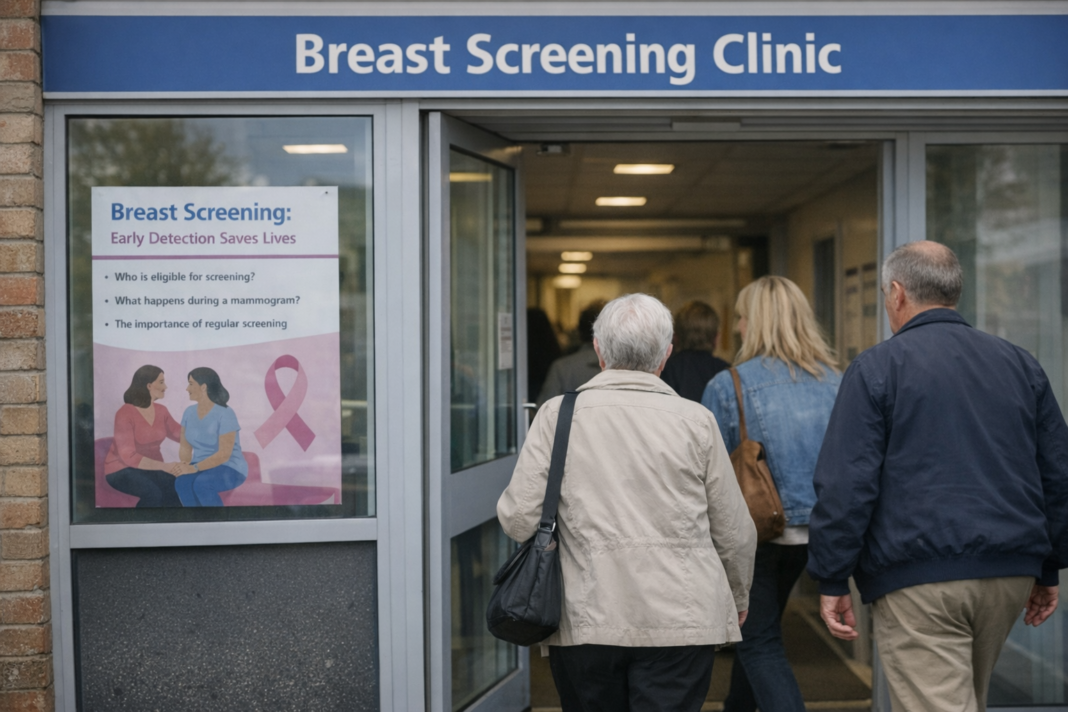

Up to 95% of younger women judged to be at higher risk of developing breast cancer are not being identified by current NHS checks, a new study warns. The research, published this week, concludes that existing eligibility and risk‑assessment procedures capture only a small fraction of at‑risk women aged below routine screening age, leaving many without access to targeted surveillance or earlier diagnostic imaging.
The study highlights a gap between clinical risk factors — such as a strong family history or known genetic predisposition — and the mechanisms used to select women for enhanced monitoring. In the UK, routine mammography invitations generally begin at age 50, and study authors say that approach, combined with current referral pathways, means that many **women under 50** who meet criteria for intensified assessment are not flagged by frontline checks.
Researchers behind the analysis call for a systematic review of how risk is assessed in primary care and at screening entry points. They recommend clearer pathways to identify younger women with elevated risk and to ensure timely referral for specialist assessment or tailored imaging where appropriate. The paper stresses the need for policy makers to weigh the potential benefits of earlier detection against resource implications and the established screening age thresholds.
Public health experts say the findings add to ongoing debates about how best to allocate screening resources and refine risk‑stratified approaches. The authors urge further work to validate practical identification tools that can be used in busy clinical settings, and recommend that health services consider pilot programmes to evaluate targeted earlier screening for those identified as high risk. Policymakers will need evidence from such pilots to inform any changes to national screening protocols.





