


4 More photos
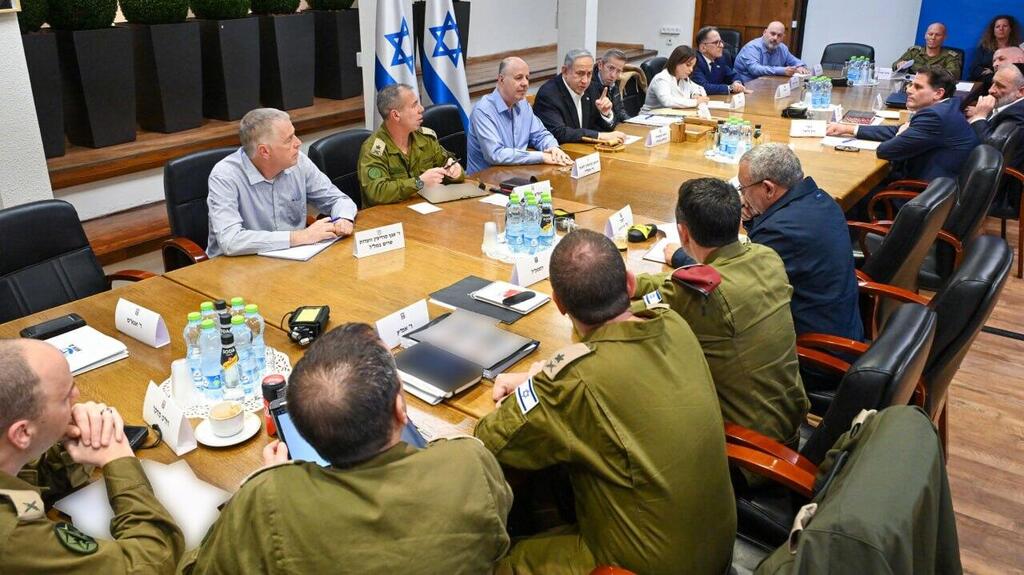
War Cabinet meeting
(Photo: Kobe Gideon, MONK)
Let us remember that the proposals are an Israeli initiative. The main provisions of the deal were worked out by the leaders of the Israeli security system – Defense Minister Yoav Galant, Chief of the IDF General Staff Lieutenant General Herzi Halevi, Head of the Mossad Foreign Intelligence Service David Barnea and Head of the General Security Service (Shin Bet) Ronen Bar. The proposals were discussed and approved by the military cabinet.
However, now a more complex scheme is on the agenda (details below), in the first stage of which it is planned to release only 35 prisoners – children, women, the elderly and the sick.
Hamas has repeatedly demanded a complete cessation of hostilities and the withdrawal of Israeli troops from the Gaza Strip as a condition for starting negotiations on a swap deal. Israel has the diametrically opposite approach – no ceasefire until a deal is concluded. “Hamas wants the fighting to stop, but we will not give peace to the terrorists,” a senior source in Jerusalem told Ynet.
Another senior Israeli source told an NBC correspondent that there were strong signs that contacts were making progress toward a new swap deal. However, the source noted that the final terms of the deal have not yet been submitted to the narrow military cabinet for consideration.
4 More photos
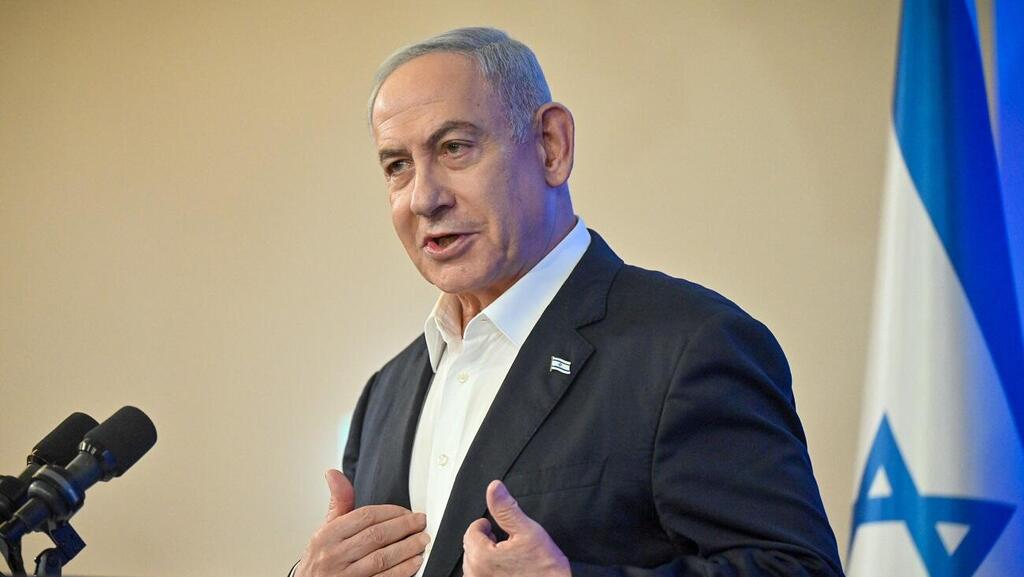
Benjamin Netanyahu
(Photo: Kobe Gideon, MONK)
Prime Minister Benjamin Netanyahu held a meeting with the families of the hostages on January 31. “We are making every possible effort to free every captive,” the head of government said, opening the meeting. “Our duty is to return everyone. It’s too early to talk about exactly how this will be done, but in recent days we have seriously intensified our work in this direction. Fight is happening now, in these minutes.”
“We didn’t hear anything new,” said Daria Gonen, the sister of hostage Romi Gonen, after the end of the meeting. “The very fact of the meeting is important, the opportunity to express to the prime minister everything that was boiling in my soul.” The conversation lasted more than two hours, Netanyahu listened to us and agreed to answer our questions, but almost all the answers boiled down to one thing: “Sorry, I can’t talk about that.” The usual answers from the Prime Minister, very well thought out.”
►Requirements of the parties
Israel. The proposal agreed in Paris, which Israel supports, calls for a 45-day ceasefire in exchange for the release of the hostages. The agreement includes the release of Palestinian prisoners and increased humanitarian aid.
The transaction must be completed in three stages. At the first, hostages whom Hamas considers civilian prisoners – children, women, the elderly and those suffering from illnesses – will be released. Then the military personnel will be released, and in the end the terrorists will hand over the bodies of the dead captives to Israel. According to the source, military operations in Gaza will be frozen during all stages.
Hamas. Entering the negotiations, Hamas demanded the fulfillment of two conditions: a permanent and final ceasefire, as well as the complete withdrawal of the IDF from the Gaza Strip. He has not completely abandoned these demands, but is expected to soften them.
4 More photos
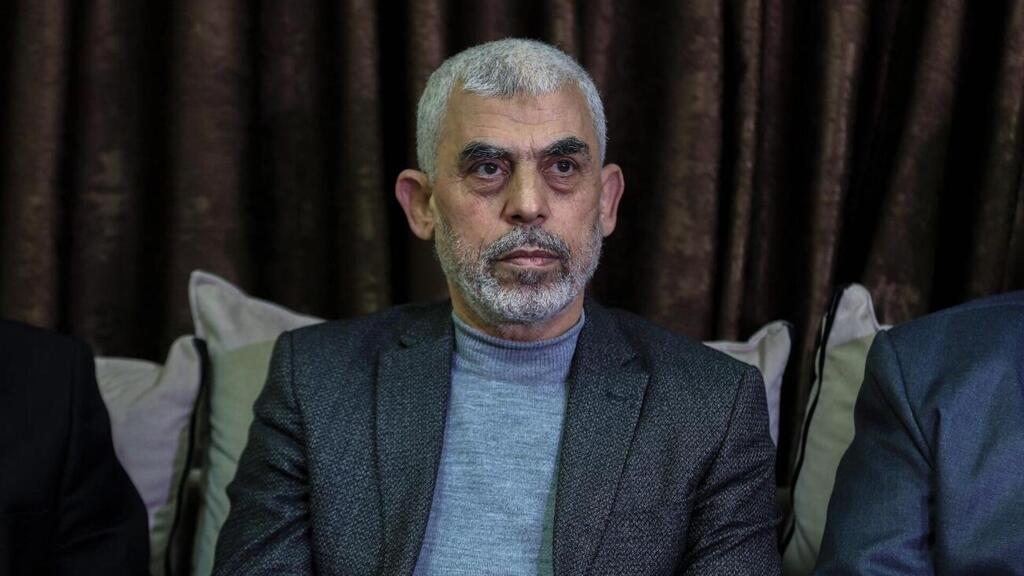
Hamas leader in the Gaza Strip Ihye Sinwar
(Photo: EPA)
From the fragmentary information published by the media, it can be understood that Hamas insists on the extradition of all Palestinian prisoners, including the most brutal terrorists, as well as on guarantees of maintaining its power after the end of hostilities.
►How many terrorists will be released?
While in the previous deal Israel agreed to release three Palestinian prisoners in exchange for each hostage, this formula will not work this time. Hamas has much higher demands. He determines his price for each hostage: for a military man – up to 300, for women and children – up to 100.
4 More photos
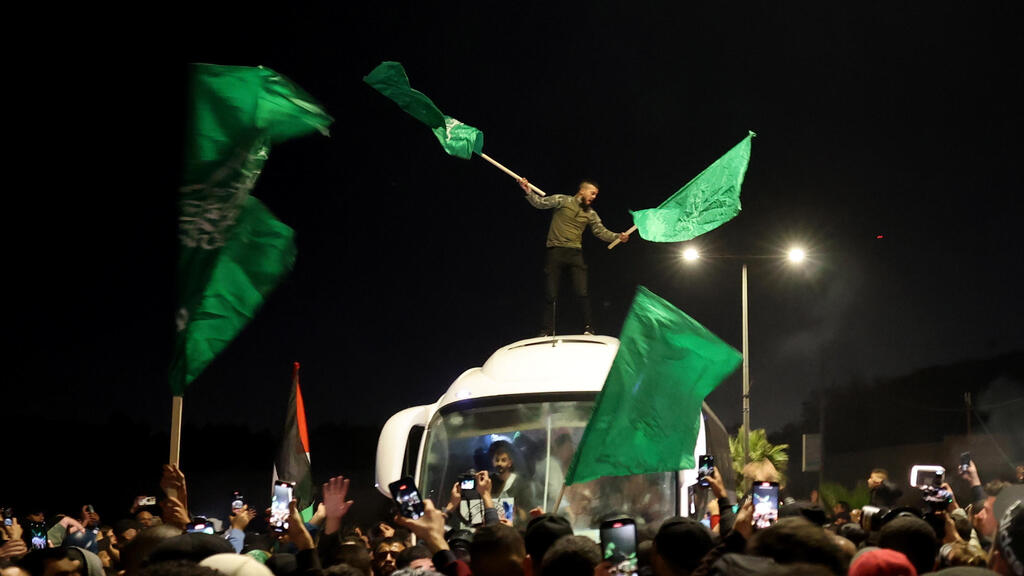
Terrorists released under the exchange deal, November 2023
(Photo: EPA/ALAA BADARNEH)
Hamas is estimated to be holding 136 hostages. 29 of them are considered dead, four were held in the Gaza Strip even before the terrorist attack on October 7. If Hamas’ demand is satisfied, many thousands of prisoners will be released, including terrorists with blood on their hands.
►Political risk
So far, Netanyahu’s entourage is deliberately exaggerating the number of terrorists who should be released as part of the deal. If that number ends up being halved, the government could claim it as its own achievement.
►What happens if the deal falls through?
It all depends on whose initiative the deal will be disrupted. It is likely that Hamas will do this, but Israel may eventually admit that the terms of the agreement are unfeasible. In this case, the Americans may take several steps that run counter to the interests of the Netanyahu government. For example, recognize the “irreversibility of a Palestinian state.” Or not use the right of veto in the UN Security Council.
In addition, internal pressure on the government from supporters of the deal will increase.




