China warned India on Friday against interfering in Tibet-related matters after an Indian minister supported the Dalai Lama’s statement that his successor should be chosen by a Tibetan nonprofit group, rejecting moves by China to steer his succession.
Video: China warns India against interfering in Tibet-related matters
“No one has the right to interfere or decide who the successor of His Holiness the Dalai Lama will be,” said Kiren Rijiju, India’s minister for minority affairs.
China’s foreign ministry urged India to be prudent in its words and actions.
“We hope the Indian side will fully understand the highly sensitive nature of Tibet-related issues, recognize the anti-China separatist nature of the 14th Dalai Lama,” said spokesperson Mao Ning.
India’s foreign ministry spokesman Shri Randhir Jaiswal later on Friday released a statement saying, “Government of India does not take any position or speak on matters concerning beliefs and practices of faith and religion.”
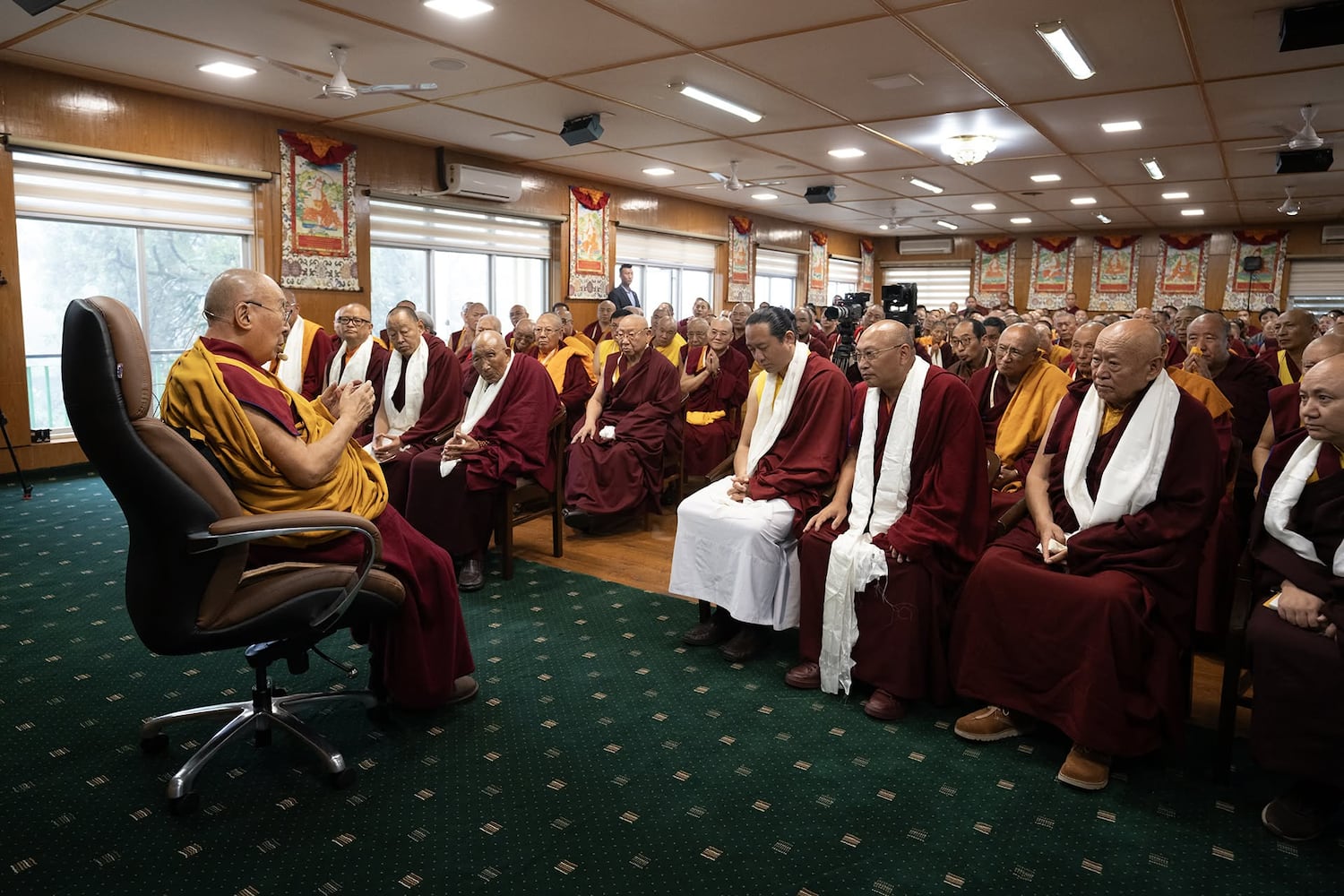
Tibetan spiritual leader the Dalai Lama meets with religious leaders at the end of a three-day conference in Dharamsala, India, July 4, 2025.(OHHDL)
The Dalai Lama, who fled to India in 1959, stated on Wednesday that upon his death, he would be reincarnated as the next spiritual leader and that only the Gaden Phodrang Trust would be authorized to identify his successor.
Beijing maintains it has the right to approve the Dalai Lama’s successor.
The Inter-Parliamentary Alliance on China (IPAC) said in a statement: “The process of reincarnation for Tibetan Buddhists is a sacred tradition. Any attempt by the CCP to interfere in this spiritual matter is an unacceptable violation of religious liberty and must be swiftly condemned by the international community.”
Penpa Tsering, president of the Tibetan government in exile, spoke to reporters in Dharamsala at the end of the three-day conference of Tibetan religious leaders, where the Dalai Lama affirmed his succession plans.
“If China tries to use this in any way, in any means, we will not recognize it. In the future also we will not accept any of China’s choices.”
Reporting by Dawa Dolma and Tenzin Woser in Dharamsala; additional reporting from Reuters; edited by Charlie Dharapak
Photo Gallery: Images from 1954-1981
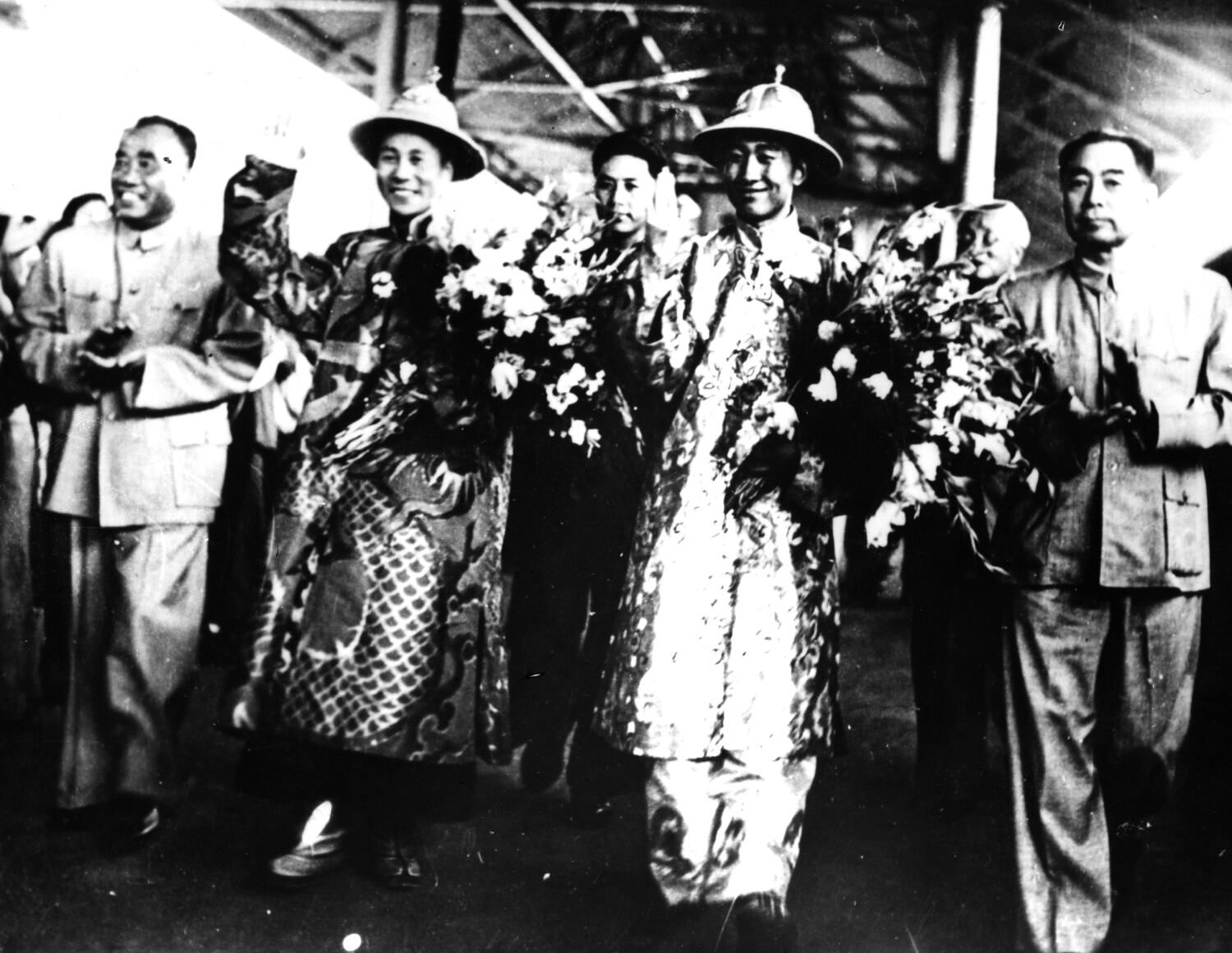
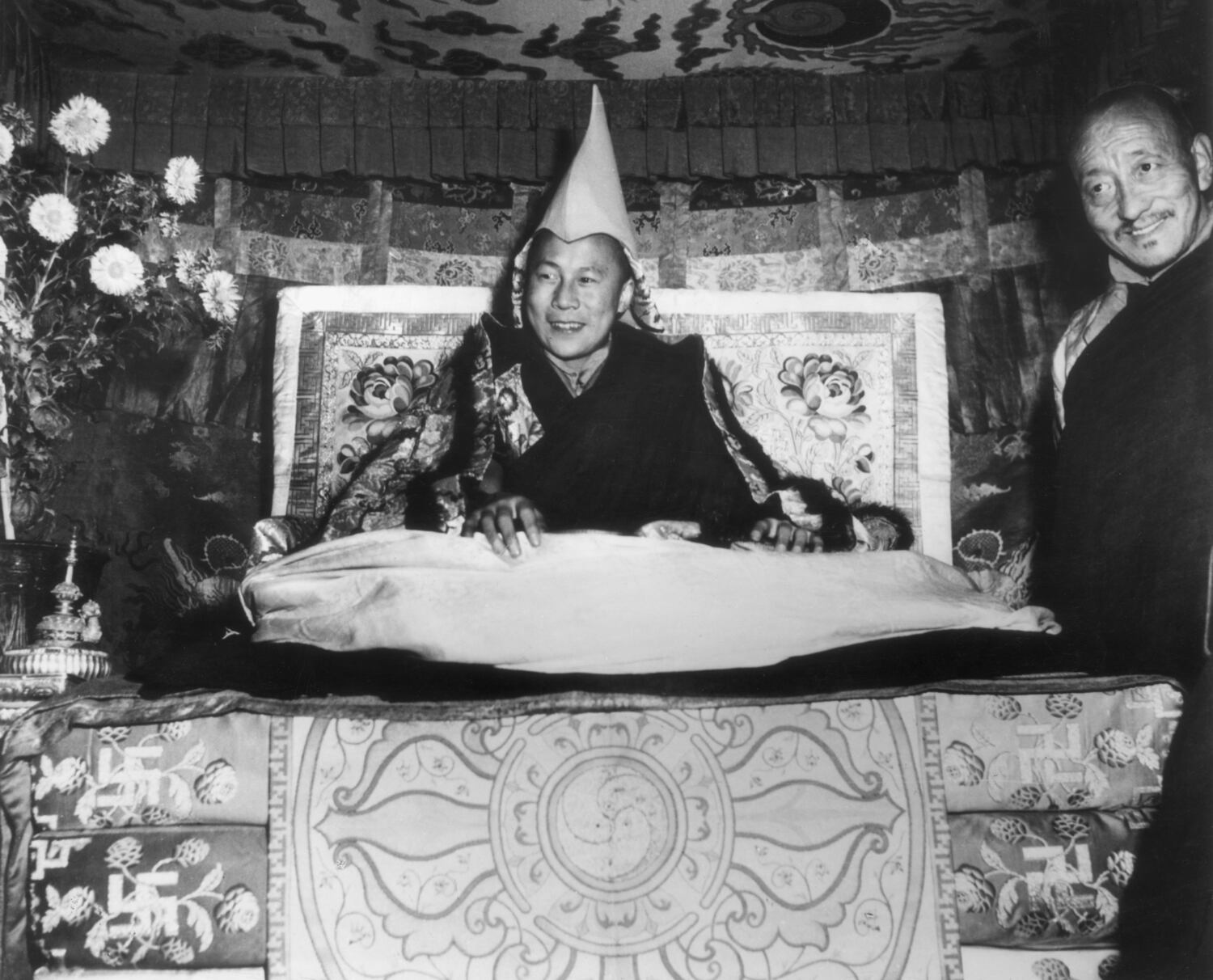
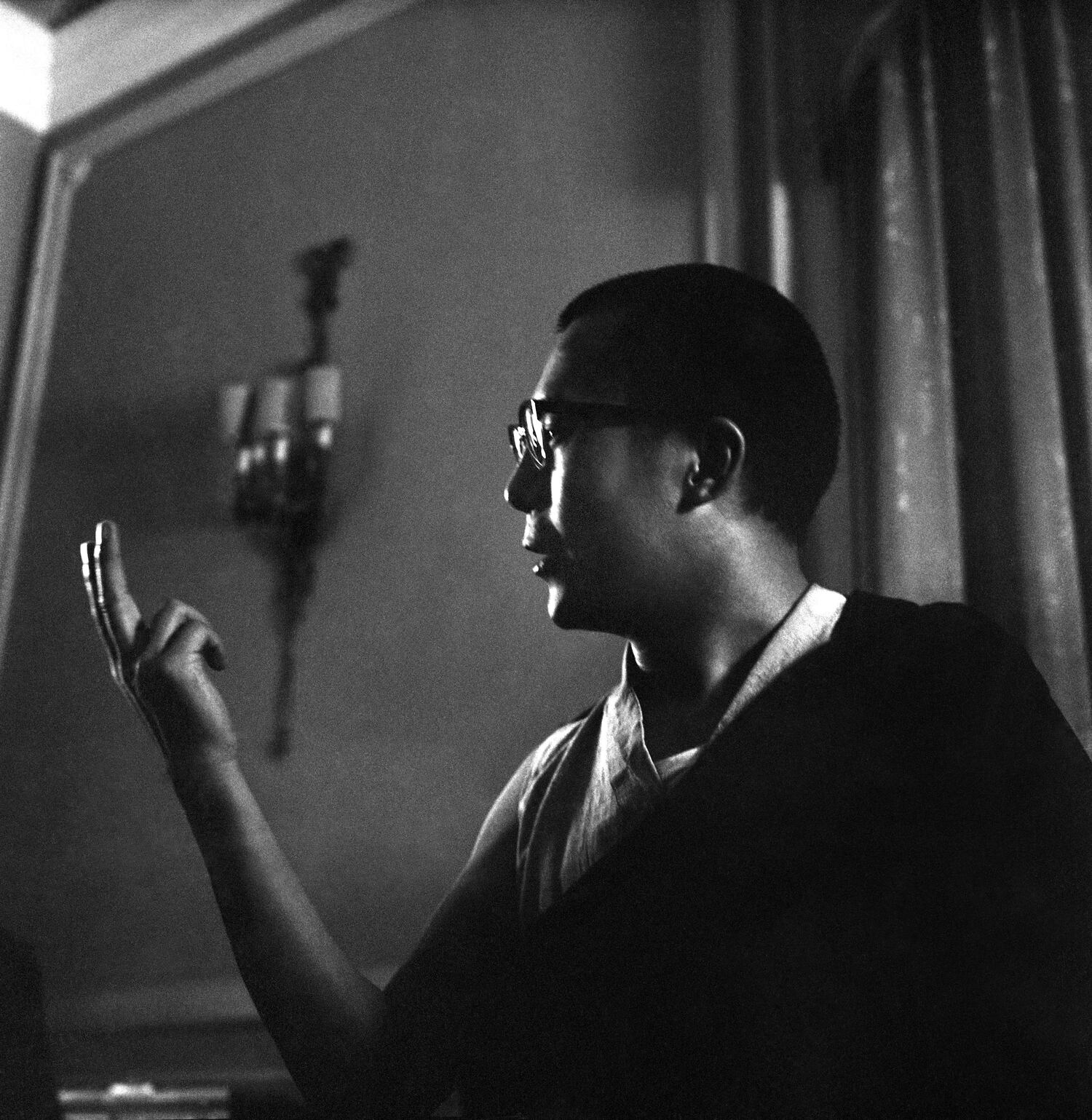
Tibetan spiritual leader the Dalai Lama on a visit in September 1954 to Beijing with fellow spiritual leader Panchen Lama and Chinese Communist leader Chou Enlai, right, and Tschu Teh, second in command of the Chinese Communists. (Keystone/Getty Images)(Keystone/Getty Images)A speech by the 14th Dalai Lama, Tenzin Gyatso, circa 1955. (FPG/Archive Photos/Getty Images)(FPG/Getty Images)The Dalai Lama attends the UNESCO Buddhist Conference, held at the Ashok Hotel in New Delhi, December 1956. (Michael Ochs Archives/Getty Images)(Michael Ochs Archives/Getty Images)The Dalai Lama, Tenzin Gyatso, seated on his throne and wearing the gold peaked cap which is his Crown, smiles while giving an audience in Lhasa, Tibet in 1959. An assistant monk stands at his side. (Hulton Archive/Getty Images)(Hulton Archive/Getty Images)Tenzin Gyatso, The 14th Dalai Lama, In Gangtok, Sikkim, India, April 14, 1959. (Keystone Features/Hulton Archive/getty Images)(Keystone Features/Getty Images)The 14th Dalai Lama, Tenzin Gyatso, spiritual and temporal ruler of Tibet, arrives in Tepzur, Assam, India, after fleeing his country, April 18, 1959. (Keystone/Hulton Archive/Getty Images)(Keystone/Getty Images)Tenzin Gyatso, the 14th Dalai Lama, arrives at Birla House in Mussoorie, India, after fleeing from Tibet, in April 1959. (Keystone/Hulton Archive/Getty Images)(Keystone/Getty Images)Tenzin Gyatso, the 14th Dalai Lama, arrives at Delhi railway station from Mussoorie, a few months after fleeing Tibet, September 7, 1959. (Central Press/Hulton Archive/Getty Images)(Central Press/Getty Images)The Dalai Lama, Tenzin Gyatso, the traditional religious and temporal head of Tibet’s Buddhist clergy poses for a photo circa 1965 in India. (Michael Ochs Archives/Getty Images) (Michael Ochs Archives/Getty Images)The Dalai Lama Tenzin Gyatso, the traditional religious and temporal head of Tibet’s Buddhist clergy sits with Indira Gandhi in November 1965 in India. (Michael Ochs Archives/Getty Images) (Michael Ochs Archives/Getty Images)The Dalai Lama, Tenzin Gyatso, the traditional religious and temporal head of Tibet’s Buddhist clergy poses for a photo in October 1967 in India. (Michael Ochs Archives/Getty Images) (Michael Ochs Archives/Getty Images)The fourteenth Dalai Lama, spiritual and temporal ruler of Tibet, arrives at Heathrow Airport in London, June 29, 1981. (Keystone/Getty Images)(Keystone/Getty Images)