

The skin is much more than our outer covering. It is the largest organ in the body, and sometimes it is also the first to tell us that something deeper is happening inside. Redness, itching, dryness, seborrhea, psoriasis or atopic dermatitis are not always just a local skin issue, but sometimes a manifestation of a broader inflammatory, nutritional and emotional load.
In recent years, scientific understanding has strengthened that the food we choose to put on our plate has a direct impact on inflammatory processes in the body, including those that are expressed in the skin. Recent reviews show that a diet rich in processed food, sugar and industrial fats is associated with worsening inflammatory skin conditions, while a Mediterranean diet rich in antioxidants may help reduce the severity of symptoms.
Alongside the scientific approach, the medicine of Maimonides also emphasized centuries ago the connection between the body, the mind and food. According to this approach, when the body goes out of balance, one of the possible ways it expresses this is through the skin.
What to include on the plate
If the goal is to reduce inflammation, it is worth starting with natural, simple foods rich in anti-inflammatory components:
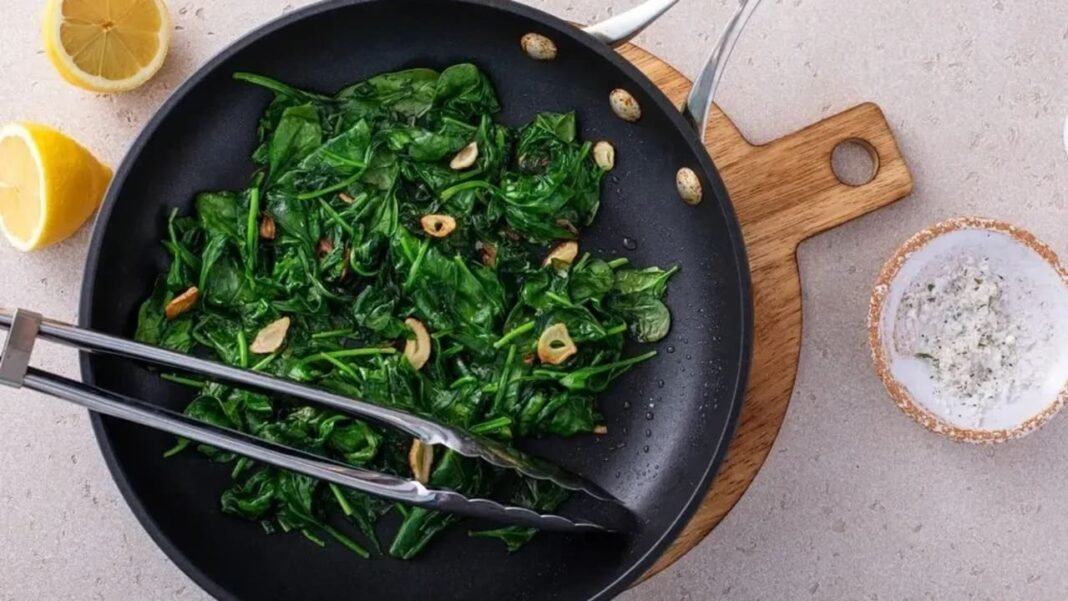
• Dark green vegetables: Spinach, chard, broccoli, baby leaves and kale are rich in vitamin C, polyphenols and antioxidants that help reduce oxidative stress, one of the central mechanisms in the worsening of inflammatory skin diseases. A diet rich in antioxidants has been linked to improvement in general inflammation markers and support for the integrity of the skin barrier.
• Omega 3-rich fish: Salmon, sardines, mackerel and tuna contain omega 3 fatty acids, which have been widely studied in the context of reducing systemic inflammation. For those who suffer from dryness, redness and itching, regular inclusion of fish in the menu can support a more balanced immune response and may also help improve skin elasticity.
• Berries, pomegranate and dark grapes: These foods are rich in anthocyanins and polyphenols, natural components with strong anti-inflammatory activity. They help protect cells from oxidative damage and may also support the health of the blood vessels that nourish the skin.
• Extra virgin olive oil: One of the cornerstones of the Mediterranean diet. High-quality olive oil contains oleocanthal, a component with proven anti-inflammatory activity, which can be incorporated wonderfully into salads, cooked vegetables and fish.
Which foods to reduce
To reduce inflammation, it is not enough only to add good foods. It is also important to reduce those that may ignite the process. The main suspects:
• Simple sugar• White flour• Fried food• Processed snacks• Hydrogenated fats• Industrial baked goods• Sweetened beverages
Foods that contain these components raise insulin, harm the balance of the gut microbiome and encourage the secretion of pro-inflammatory substances, which may worsen skin flare-ups.
The surprising connection between stress and the skin
Nutrition is only part of the picture. Chronic stress is now considered one of the main triggers for worsening eczema, psoriasis and acne.
When the body is under continuous tension, cortisol levels rise, the immune system changes, and the skin responds accordingly. Studies from recent years show a clear connection between psychological stress and the worsening of inflammatory skin diseases.
This is why sometimes during busy periods, with little sleep and more stressful news, the skin “breaks out.” Therefore, alongside nutrition, it is important to incorporate actions that calm the nervous system:
• Sufficient sleep• Walking• Sea and sun in moderation• Laughter• Music• Family time• Less news• More quiet
When it comes to children with atopic dermatitis, it is important to remember that the emotional environment also has an effect. Children absorb the stress of their parents, and this may also affect their skin through the immune and nervous systems.Therefore, alongside dietary changes, it is worthwhile to also strengthen the “inner resources” at home: To play, to sing, to hug, to go out into nature and to create as calm an atmosphere as possible.
Bottom line, the skin does not work against us. It speaks to us. When choosing a natural diet, rich in vegetables, fish, berries and olive oil, and reducing processed food, sugar and stress, one often sees improvement not only in the appearance of the skin but also in the overall feeling. In this sense, perhaps returning to simplicity is one of the deepest remedies there is.
Source:
www.jpost.com




