
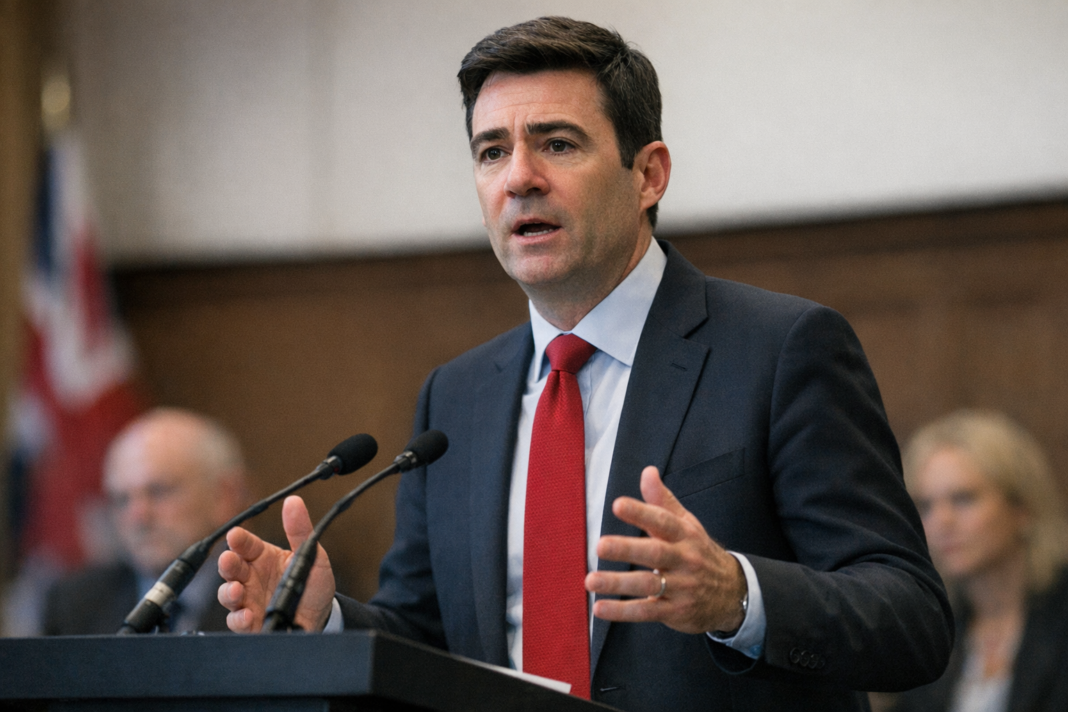

Prime Minister Burnham has proposed creating an NHS-style approach to social care in England, arguing that the current system falls short of acceptable standards. Speaking to the BBC, Burnham said social care in England is “as unfair as American healthcare”, framing his intervention as a call for a nationally organised and publicly funded alternative to the fragmented arrangements that now exist.
His comments place renewed emphasis on long-standing questions about how services for older and disabled people are financed and delivered. Supporters of an “NHS-style” model generally describe it as a system run at national level, funded through public revenues and offering consistent entitlements regardless of personal wealth. Critics have previously warned that achieving such change would pose major fiscal and operational challenges for government and providers across health and social care.
The announcement is likely to intensify debate among political parties, local authorities and sector organisations about priorities and timelines. While Burnham‘s intervention sets out a high-level goal, translating that into policy would require detailed decisions on funding mechanisms, workforce planning and the relationship between health services and social care providers. Stakeholders on all sides have in recent years pointed to pressures including rising demand, workforce shortages and uneven access to services, factors that any large-scale reform would need to address.
Observers say the next steps will include consultations with local authorities and sector bodies and scrutiny in parliamentary forums. The public reaction and the response from other political leaders will shape how quickly the proposal moves from rhetoric to formal policy development. For citizens who rely on social care, the debate will centre on how changes might affect affordability, quality and continuity of support in the years ahead.





