
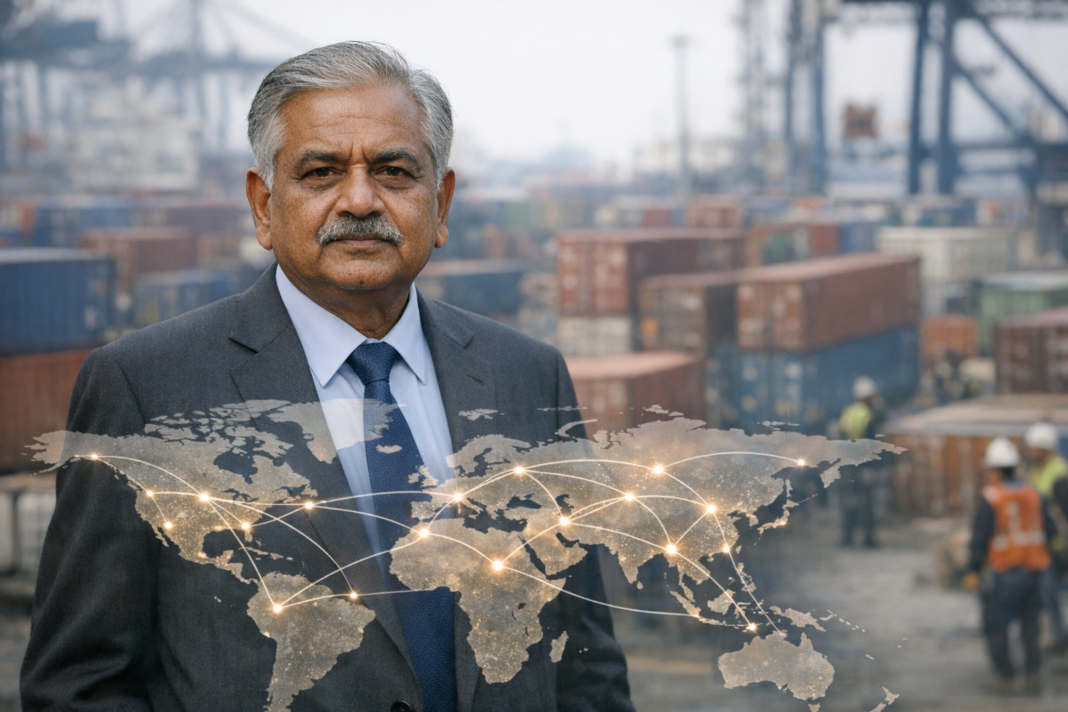

India’s economic resilience increasingly hinges on the breadth and balance of its external commerce. As global supply chains remain exposed to geopolitical tensions and episodic disruptions, a wider spread of trading partners and products can reduce vulnerability and support more stable growth. Diversification does not simply mean expanding export volumes; it requires a deliberate rebalancing of sectors, destinations and value-chain roles.
India faces both opportunities and constraints as it pursues that rebalancing. The country’s mix of services and manufacturing gives it flexibility, but reliance on a limited set of trading partners or a narrow range of commodities can amplify the impact of external shocks. Broadening the export basket — from higher-value manufactured goods to more complex services and technology-enabled offerings — can spread risk and create new avenues for jobs and investment.
External factors also shape the urgency of diversification. Regional trade agreements, shifting investment patterns and supply-chain relocation create windows for market access, while commodity price swings and trade restrictions underscore the cost of concentration. Firms and policymakers each have roles: companies must adapt sourcing and market strategies, while public institutions can reduce frictions through infrastructure, regulatory clarity and trade facilitation measures that make diversification feasible and attractive.
Practical measures that underpin resilience include expanding logistics capacity, simplifying customs procedures and supporting firms’ entry into new markets without prescribing specific policy choices. Strengthening linkages between domestic producers and global buyers, and promoting higher value-added activity within export sectors, can enhance competitiveness without depending on a limited number of partners. These steps matter as much for smaller firms as for large exporters, because systemic resilience requires broad participation across the economy.
In the longer term, a steady push toward diversified trade can change India’s exposure to global cycles and geopolitical shifts, improving its ability to absorb shocks while maintaining growth momentum. The outcome is not automatic: diversification requires sustained effort by market actors and policymakers to convert potential gains into durable economic strength, reducing dependence on any single source of demand or supply.






