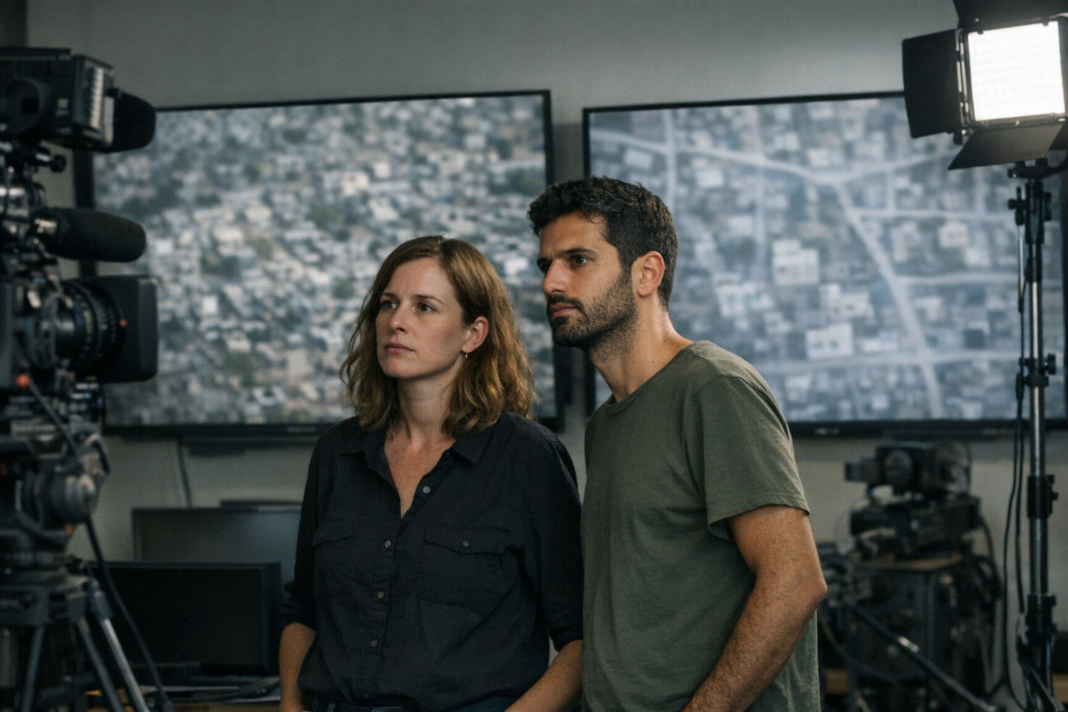

New documentary NAZA brings to light testimony collected by Rachel Szor and Yuval Abraham, who interviewed 24 anonymised military and intelligence figures about the systems used to select civilian residences as targets. The film, produced in collaboration with The Guardian, centres on detailed recollections from technicians and officers who describe the practical steps that led to strikes on homes in Gaza.
The participants describe a digital workflow that combined cellphone signal mapping and automated recommendations to identify buildings. The filmmakers say the intelligence service used the acronym NAZA to estimate expected civilian fatalities linked to a planned strike. Sources in the film portray individual roles as narrowly technical — people who developed or operated tools rather than set policy — and discuss how targeting decisions moved through layers of authorization. One contributor in the film asserts that, at times, approvals accepted extraordinarily high projected civilian tolls in relation to single suspected militants.
By focusing on the mechanics rather than high-level strategy, the film frames questions about responsibility across a chain of command. It presents accounts from those who worked on targeting systems and situates them within broader debates over the use of automated tools in conflict and the legal and ethical standards that should govern their application. The testimonies raise issues about transparency, oversight and accountability for strikes that occur in densely populated areas, and they have implications for public discourse on both military practice and technological deployment in modern operations.
The directors avoid naming their sources, explaining that anonymity was required for participation. The result is a record that documents operational practices and personal testimonies without adjudicating legal claims. As the film circulates, it is likely to inform reporting and discussion on military targeting processes and the role of technical personnel within them, contributing primary-source material to ongoing scrutiny of how decisions are made in the field of intelligence and strike planning.