
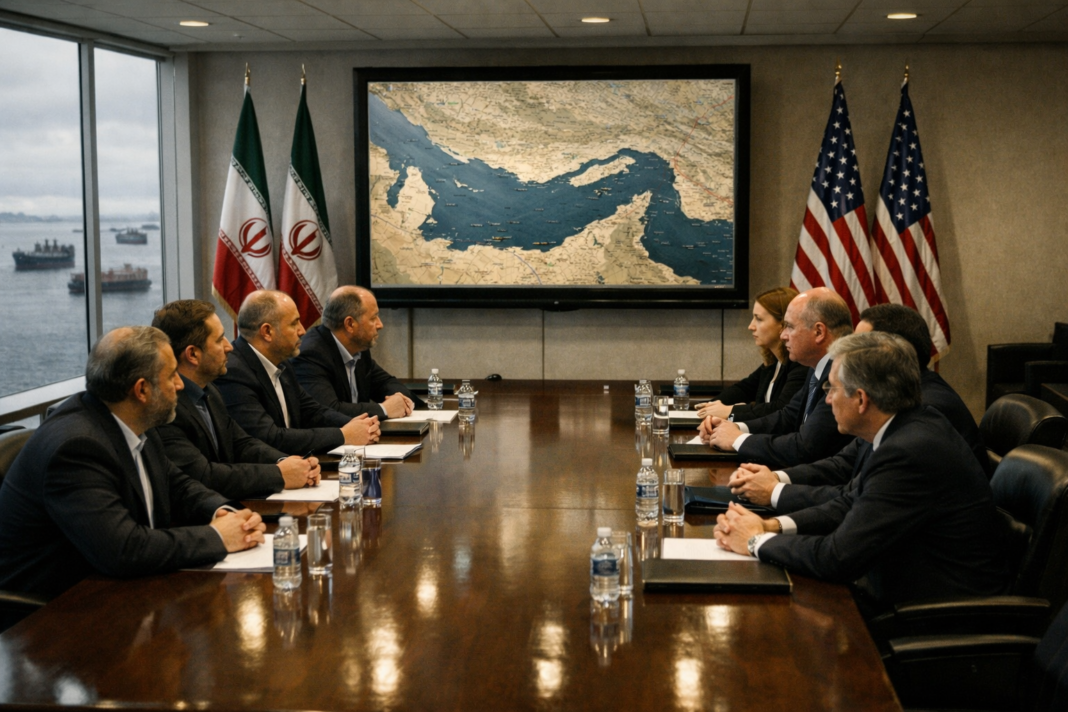

Iran has offered a proposal to the Iran to reopen the Strait of Hormuz within seven days, according to reports of mediated exchanges. A US official told the BBC that “constructive discussions” were taking place through intermediaries, but neither side has published the full terms of the proposal.
The United States and regional partners view the Strait of Hormuz as a strategic maritime corridor whose stability is important for international shipping and energy supplies. Any agreement to restore normal transit would likely be watched closely by commercial shipping operators, insurers and governments that rely on the route for cargo and fuel movements.
Details about the mediators and the mechanics of the offer remain limited. The US official’s characterization of the talks as “constructive” suggests engagement through third parties rather than direct public negotiation. Observers note that, when arrangements involve passage through such a narrow waterway, implementation and verification mechanisms are typically central to any durable accord.
If the proposal leads to a concrete plan to reopen the strait, parties will need to clarify timelines, monitoring and the conditions under which transit will resume. Verification and transparency measures would be key to shaping international confidence in any agreement and to reducing the risk of renewed incidents that could affect commercial traffic.
For now, governments and industry stakeholders continue to monitor developments. Official confirmations or further details are expected from the capitals involved or through established news outlets as mediators and authorities either advance or decline the offer.





