
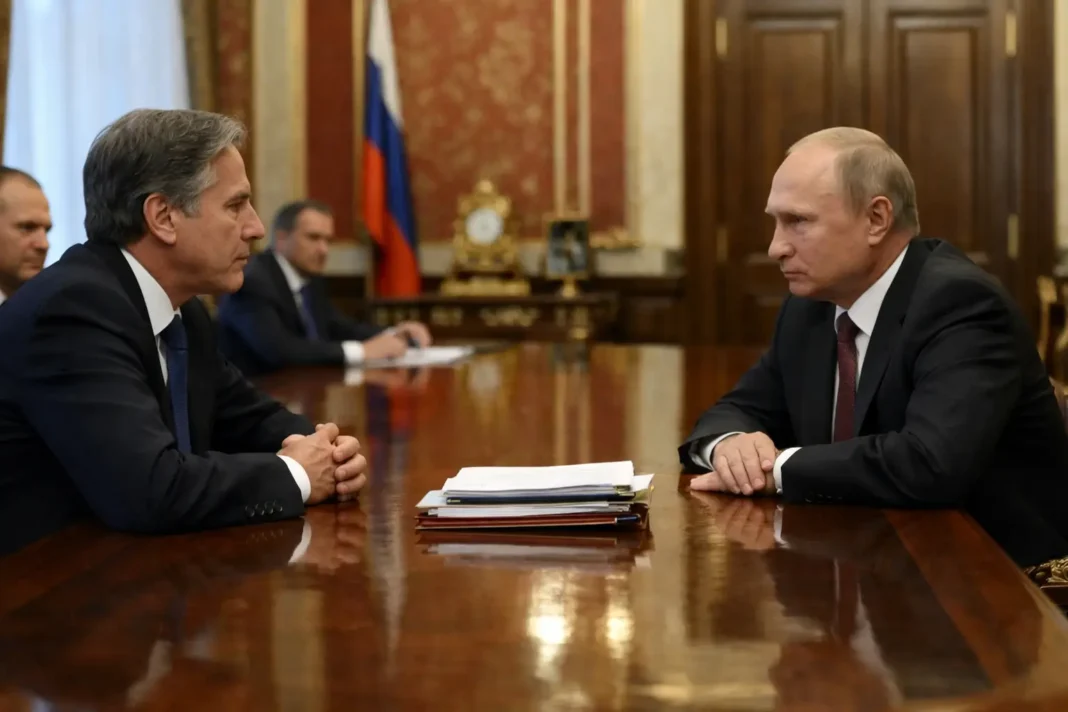

US envoy to meet Russia‘s leader marks a rare direct engagement between Washington and Moscow amid ongoing tensions over military aid and information sharing. Ukrainian President Volodymyr Zelensky has asserted that intelligence cooperation “works now”, even as recent public exchanges have exposed strains between Kyiv and its main Western backer.
In recent days Ukraine accused the United States of withholding key intelligence that Kyiv considered essential to its operations. The allegation was forcefully dismissed by the US State Department, which characterised the claim as “scandalous” in its response. That rebuke reflects the sensitivity surrounding classified material and the political optics of how intelligence is shared with partner governments.
The planned meeting between the US envoy and Vladimir Putin will be watched closely for signs of how bilateral communication channels are being managed while hostilities continue in the region. Intelligence cooperation has been a central pillar of Ukraine’s defensive strategy and a point of leverage in broader diplomatic ties among the United States, its allies and Kyiv. Public disputes over the handling of information risk complicating operational coordination and the political consensus that sustains support.
Analysts say resolving procedural disagreements over what intelligence is shared, how, and with whom is crucial to sustaining effective assistance — a task made more complex when sensitive matters enter the public arena. The encounter with Putin presents an opportunity for US diplomacy to reaffirm priorities and to manage fallout from recent accusations, while Kyiv insists that cooperation remains intact. Observers note that clarity on the mechanics of intelligence-sharing and renewed confidence among partners will shape the immediate diplomatic environment.





