
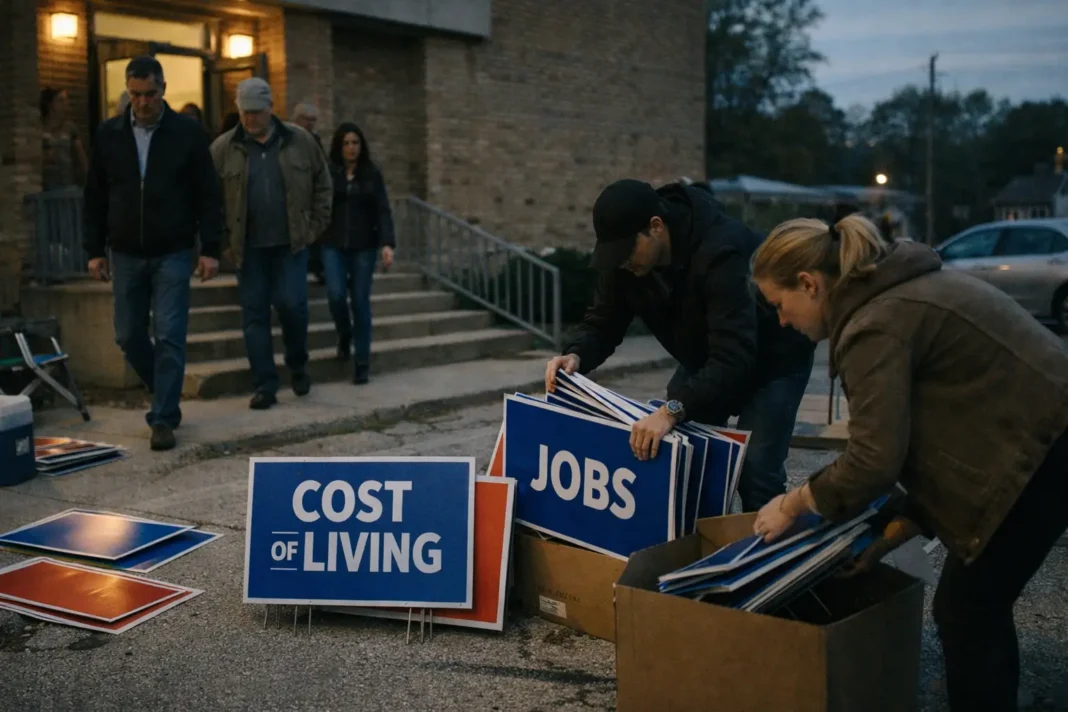

The midterm result has given the Democratic Party a clear political advantage, but not an uncomplicated mandate. Their success rested on message discipline and a campaign centered on affordability, an issue that has become a defining concern for households navigating higher costs and economic uncertainty. In the immediate aftermath, the outcome signals that voters were receptive to a practical argument focused on everyday pressures rather than a broader ideological appeal.
That distinction matters in the next phase of American politics. A midterm election can operate as a judgment on the party in power, but it does not automatically translate into enthusiasm for the opposition. The central lesson from the vote is therefore twofold: Democrats were able to benefit from public dissatisfaction with the administration, yet the electorate did not necessarily offer a sweeping endorsement of an alternative governing vision. For party strategists, that gap is likely to shape the tone and priorities of the months ahead.
Affordability proved to be the most effective organizing theme because it connected national debate to the daily experience of voters. Campaigns that stay close to material concerns often gain traction when the broader political environment is unsettled. By keeping attention on cost-of-living issues, Democrats avoided allowing the contest to be framed solely around personalities or partisan confrontation. The result suggests that voters rewarded a focused economic message, even while remaining cautious about handing either side a blank check.
The political challenge now is whether that advantage can be converted into sustained trust. Winning a midterm cycle can slow an administration’s agenda, rebalance congressional dynamics or influence the terms of the next national campaign. But the distance between protest and approval remains significant. If Democrats interpret the result as a complete embrace, they risk overstating what voters delivered. If they treat it as a conditional opening, built around affordability and credibility, the outcome may become more than a temporary rebuke of those in power.





