

Washington’s Ukraine diplomacy is moving into a decisive phase at a moment when Europe is struggling to present a united front. After damaging midterm losses, Donald Trump has less room to shape domestic policy, but the presidency still holds wide authority in foreign affairs. That gives the White House significant capacity to redefine the United States’ approach to the war, including the terms under discussion with Moscow and Kyiv.
The immediate concern for European capitals is the possibility that a settlement framework could involve concessions of Ukrainian territory to Russia and some easing of sanctions. No final arrangement has been announced, but the idea has sharpened anxiety because any such formula would touch the core principles on which European security has rested since the end of the cold war: territorial integrity, sovereign choice and the rejection of military coercion as a means of changing borders.
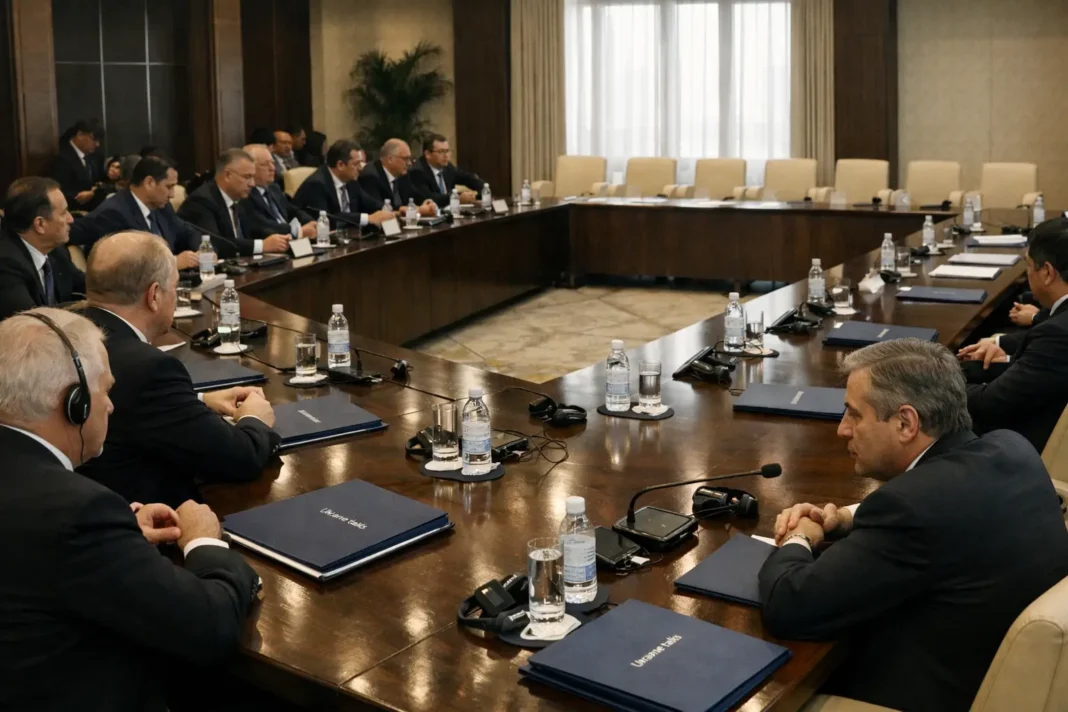
Talks involving the United States, Russia and Ukraine in Abu Dhabi have underlined Europe’s limited role in a process that directly affects its security. European representation has been confined to officials from the United Kingdom, France, Germany, the European Union and NATO, rather than a single political figure empowered to negotiate on behalf of the continent. That arrangement reflects a broader problem: Europe has supplied Ukraine with substantial political, military and financial support, yet it remains dependent on Washington’s choices at the critical diplomatic table.
The debate among European leaders over who should speak for them in future peace talks has become more than a procedural dispute. It affects credibility with Kyiv, leverage with Washington and deterrence toward Moscow. If capitals cannot agree on a common mandate, Europe risks reacting to proposals shaped elsewhere rather than influencing the basic parameters of any settlement. The issue is especially sensitive because Ukraine’s battlefield position, its long-term security guarantees and the durability of sanctions are inseparable from Europe’s own strategic environment.
For the European Council and national governments, the challenge is immediate: define red lines, coordinate security commitments and decide how to participate in negotiations that may determine the postwar order. A settlement perceived as rewarding aggression would carry consequences beyond Ukraine, affecting confidence in Western guarantees and the future balance of power across the continent. Europe’s response now will help determine whether it remains a central actor in European security or a stakeholder consulted after decisions have already been made.






