
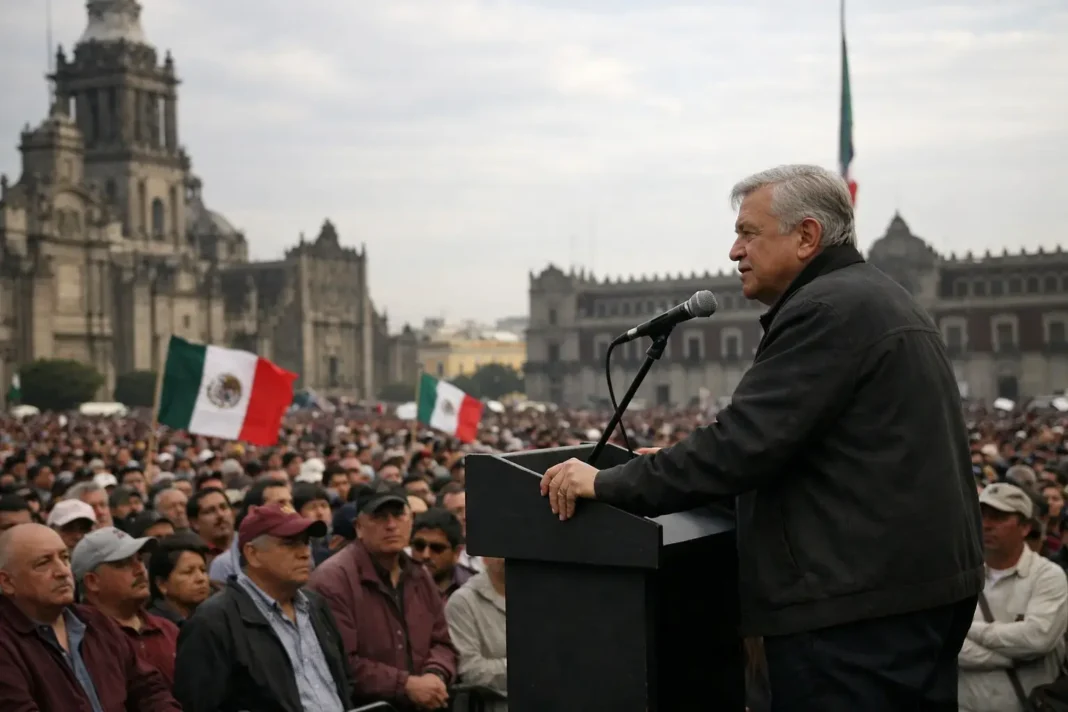

Mexico’s governing left has become an exception in a region where conservative and right-wing forces have gained momentum. While parts of Latin America have moved away from leftist governments, Morena has retained broad political support by presenting a model that is less ideological in practice than its rivals often suggest. Its strength lies in combining social spending, public order priorities and tactical flexibility within a single governing identity.
The party’s appeal is rooted in redistribution. Under Morena, anti-poverty measures and direct support for households have remained central to the government’s political message. That agenda has helped the party maintain a close relationship with voters who see the state as a source of material protection rather than as a distant institution. In a country marked by inequality, the promise of tangible social benefits continues to carry significant weight in national politics.
At the same time, the party has avoided presenting itself only through the language of social justice. Its emphasis on security has given it a broader platform in a country where violence and public safety remain defining concerns. By linking welfare policies with the need for stronger order, Morena has appealed to constituencies that might otherwise be receptive to tougher conservative messages. This dual approach has helped reduce the space for opponents to frame the left as detached from everyday security concerns.
Pragmatism has also been central to the party’s durability. Morena has shown a willingness to compromise when doing so protects its wider governing project. That flexibility has allowed it to build alliances, adjust priorities and preserve support without abandoning its core redistributive identity. In practice, the party has turned ideological breadth into an electoral asset, presenting itself as both transformative and practical.
The result is a political formula that complicates the idea of a uniform regional rightward turn. Mexico remains part of the same pressures affecting its neighbors, including insecurity, economic inequality and distrust in institutions. Yet its governing left has managed to absorb those pressures rather than be overtaken by them. For Latin American politics, the Mexican case shows that left-wing parties can remain competitive when they pair social policy with security concerns and disciplined political compromise.






