

3 More photos
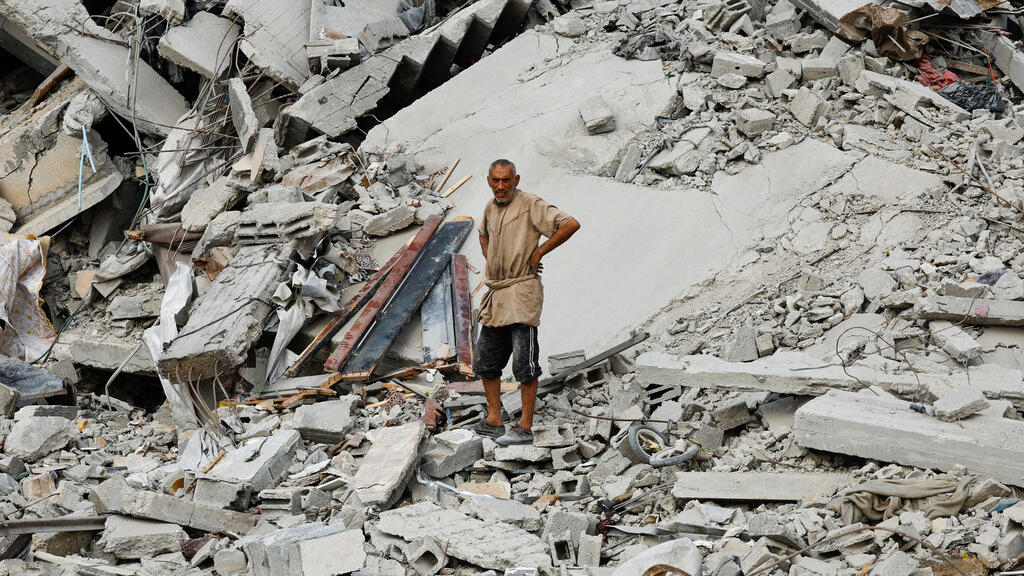
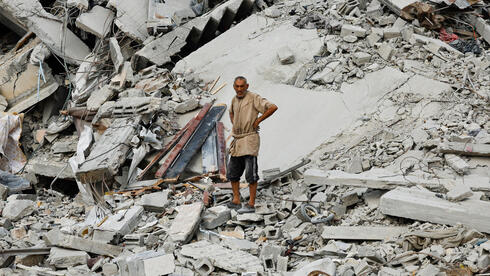
On the ruins of Jebaliya
(Photo: REUTERS/Mahmoud Issa)
The Gaza Strip could turn into two zones isolated from each other, one of which would be controlled by the IDF and the other by Hamas. A number of Western sources issued this warning on Tuesday, November 11, amid the protracted stalling of US President Donald Trump’s plan to end the war in Gaza. According to six European sources involved in peacekeeping efforts, the implementation of the second stage of the plan has reached a dead end. “The lack of progress will lead to a virtual division of the enclave for many years,” the Europeans warn.
The first stage of ending the war began on October 10. Under the ceasefire agreement, Israel retained control over 53% of the Strip, including agricultural land, the southern city of Rafah and parts of Gaza City. There are almost 2 million Palestinians in the territory actually controlled by Hamas. Most of them live in tent cities.
American pressure intensified during the next visit to Israel by Jared Kushner, the son-in-law and closest adviser to the US President. As a high-ranking Israeli source said, “with such pressure we are unlikely to eliminate the terrorists in the tunnels.”
Washington hoped that the return to Israel of the remains of Lieutenant Adar Goldin, held in the Gaza Strip for 4,118 days, would provide Prime Minister Benjamin Netanyahu with a certain freedom of political maneuver – including on the issue of the release of 200 terrorists. However, on the morning of November 11, the Prime Minister’s Office reported that Netanyahu had not given the United States any commitments in this regard.
3 More photos

Meeting between Jared Kushner and Benjamin Netanyahu
(Photo: Chaim Tsach, LAAM)
According to Trump’s plan, in the second stage the IDF would retreat from the yellow line to the borders of the sector, and security would pass into the hands of international forces. In addition, a temporary civil administration must be created. At the same time, it is planned to disarm Hamas.
The problem is that there is still no clear schedule or mechanism that would allow monitoring the implementation of the plan. Hamas refuses to lay down its arms, Israel continues to object to the involvement of the Abu Mazen administration in the management of the Gaza Strip, and the composition and powers of the international forces remain unclear. A number of Arab and European governments have made it clear that they will not send their military to the international contingent if there is a danger of direct confrontation between its fighters and Hamas.
3 More photos

IDF fighters in the Gaza Strip
(Photo: IDF press office)
US Vice President J.D. Vance and Jared Kushner proposed sending large resources to Israeli-controlled areas of Gaza without waiting for the transition to the second stage of the plan. The goal is to quickly carry out restoration work and create “model zones” into which many residents of the sector could move. International crisis management experts warn that the implementation of this proposal will permanently cement the division of Gaza. “Gaza cannot remain a no man’s land between peace and war,” said British Foreign Secretary Yvette Cooper.
Netanyahu, in turn, emphasizes that the Israeli government does not intend to govern the Gaza Strip or create Jewish settlements there. The IDF also opposes direct control of Gaza, believing that it is much more expedient to maintain control over the buffer zones, preventing new terrorist attacks.