
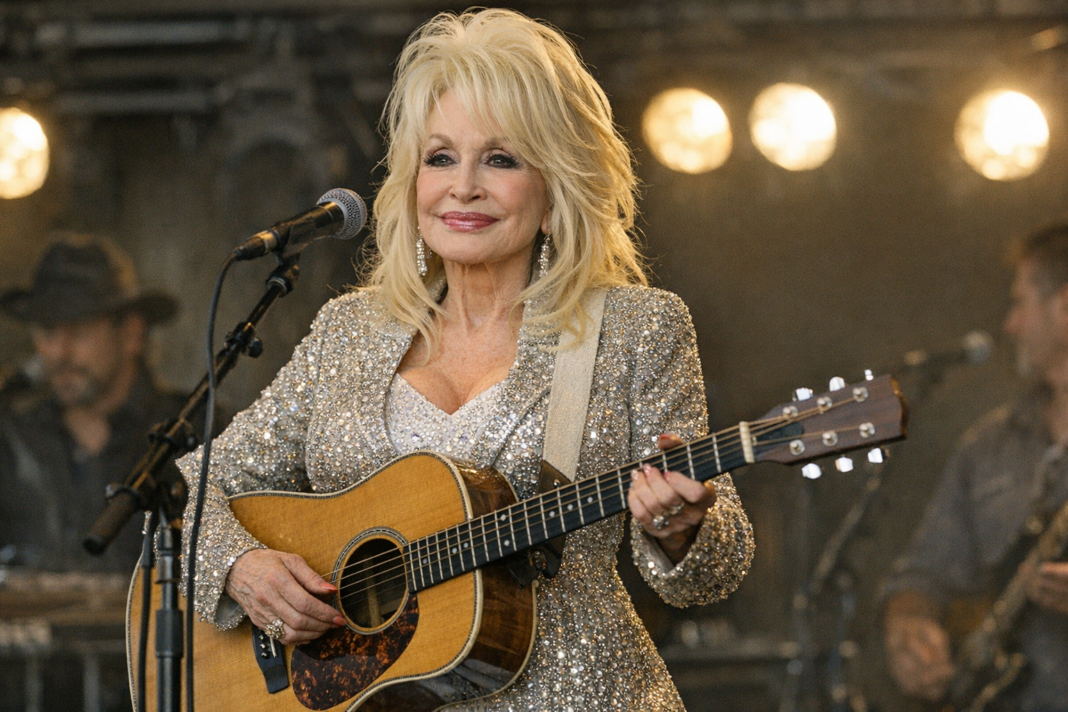

Dolly Parton dies aged 80 after a battle with cancer, her family announced on social media. Dolly Parton built a career that crossed genres and generations, writing enduring songs such as “I Will Always Love You”, “Jolene” and “9 to 5” and becoming a familiar presence in film and television as well as on the concert stage. Her work reshaped expectations for artists in country music and beyond.
The news of her passing was posted by her nephew Brian Seaver on Instagram, where he reflected on the personal weight of the moment: “I have imagined the heaviness of this moment but haven’t truly felt it until now. It is an honour, an honour that is mixed with absolute pride and great sadness.” The family statement has since been shared widely by fans and industry figures.
Beyond her music and acting, Parton was widely recognised for her philanthropic commitments. Over decades she directed millions of dollars toward causes including child literacy programmes and efforts linked to COVID-19 vaccine development, as well as community projects and scholarships. Those initiatives contributed to a public profile that combined commercial success with sustained charitable giving, making philanthropy a defining element of her public legacy.
As tributes continue to appear from peers, politicians and fans, attention is also turning to the lasting influence of her songwriting and public work. Media and cultural institutions are preparing retrospectives that will examine how her songs, public persona and charitable efforts shaped popular culture. Further details about memorial arrangements and official tributes are expected to be released by the family in the coming days; meanwhile, her catalogue and charitable projects will remain central to how she is remembered.






