
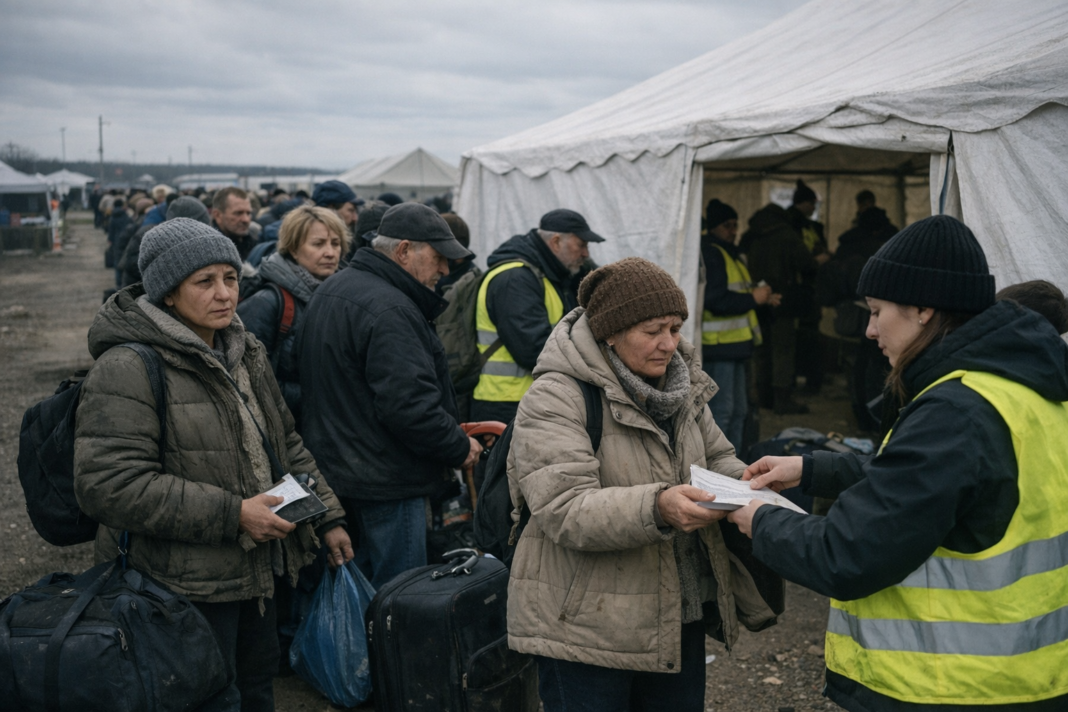

Poland’s open doors at the outset of Russia’s full-scale invasion produced one of the most visible humanitarian responses in recent European history. Millions of people fleeing the conflict found shelter, work and community across the country, and everyday acts of assistance quickly became a national story. That initial outpouring of support involved citizens, charities and local administrations as much as the central government, creating an early narrative of solidarity that contrasted with Poland’s complex past with its eastern neighbour.
Over time the public mood has shifted. Law and Justice—the party that had to align its stance with widespread civic compassion—and the authorities in Warsaw became prominent advocates for Kyiv on the European stage, while also providing military aid and financial assistance. Ukrainian officials regularly expressed gratitude for that backing. Yet that diplomatic and material support grew alongside a new reality: many displaced people began to rebuild their lives in Poland rather than simply waiting to return home, and Kyiv started to press for a more equal footing within European decision-making.
The change in fortunes has had practical and political consequences. Local labour markets, public services and housing systems absorbed sustained additional demand, and those pressures have contributed to a visible shift in public debate about migration and integration. At the same time, the relationship between the two capitals has been complicated by differing expectations—about timelines for return, about recognition and about the allocation of political influence in Europe. Those frictions are not new; they overlay long-standing grievances tied to wartime memory, border changes and postwar displacements, but the current circumstances place them in a fresh and potentially destabilising context.
What emerges is a test of how temporary wartime solidarity adapts to protracted displacement and shifting geopolitical ambitions. Managing the transition from emergency relief to durable policy solutions will require clear frameworks for rights, resources and regional cooperation. The path chosen by both governments, and by European institutions that mediate their disputes, will determine whether recent cooperation endures or gives way to deeper diplomatic and social strains.





