
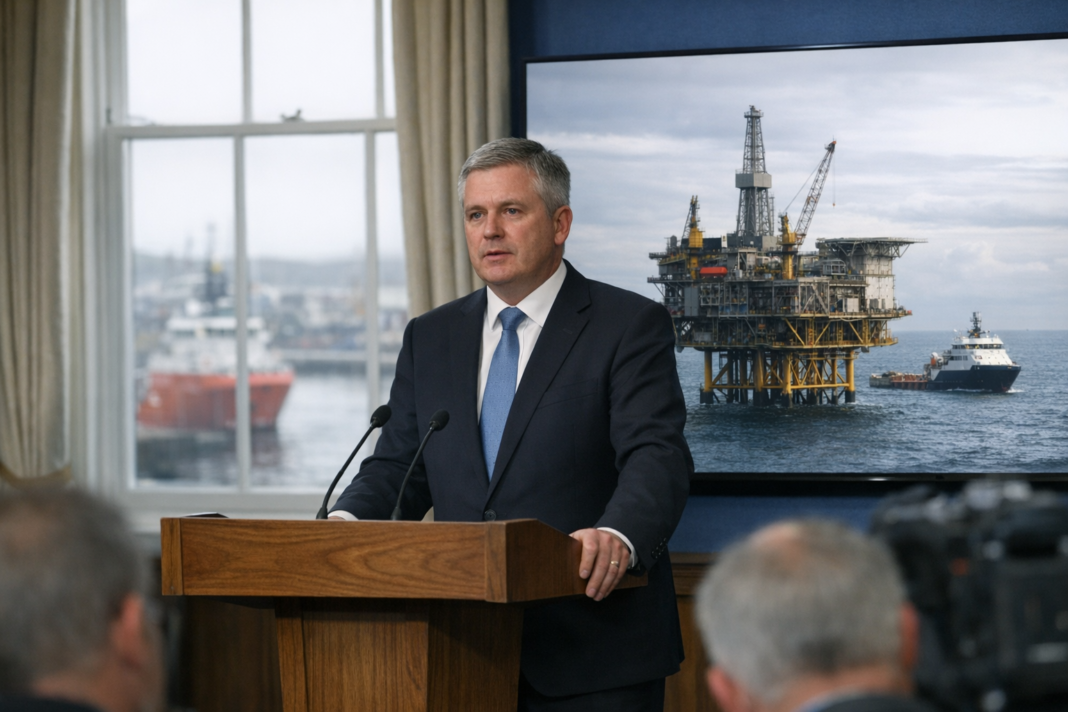

Government poised to grant approval for the Jackdaw gas field off the coast of Aberdeen within weeks, a decision that would advance a high-profile North Sea development. The prospective sign-off from the UK government would represent a pivotal moment for domestic hydrocarbon production as ministers balance short-term supply concerns with long-term climate objectives.
The Jackdaw project has been the subject of prolonged planning and regulatory scrutiny. Proponents frame the development as a contribution to immediate energy resilience and local economic activity, while environmental groups stress the potential implications for the nation’s transition away from fossil fuels. The proposal has also drawn attention to wider debates over how new extraction projects fit alongside commitments to reduce greenhouse gas emissions.
Approval would follow further administrative checks and ministerial consent, after which developers would move through the remaining permitting and investment stages. Industry observers note that an endorsement by ministers would not by itself complete the project: subsequent technical clearances, financing decisions and operational planning would still be required. The announcement is likely to prompt reactions across political and civic spheres, highlighting tensions between goals for reliable supply and the urgency of decarbonisation.
The outcome for Jackdaw will feed into broader discussions about the United Kingdom’s energy strategy, including the role of domestic gas in the short to medium term and the pace at which cleaner alternatives are deployed. Stakeholders on all sides are preparing for next steps: community groups and environmental campaigners are expected to publicise their concerns, while industry representatives will assess the practical timelines that follow any approval. As the government moves towards a final decision, the case underscores the complex trade-offs at the heart of national energy policy and the scrutiny that high-profile projects will attract.





