
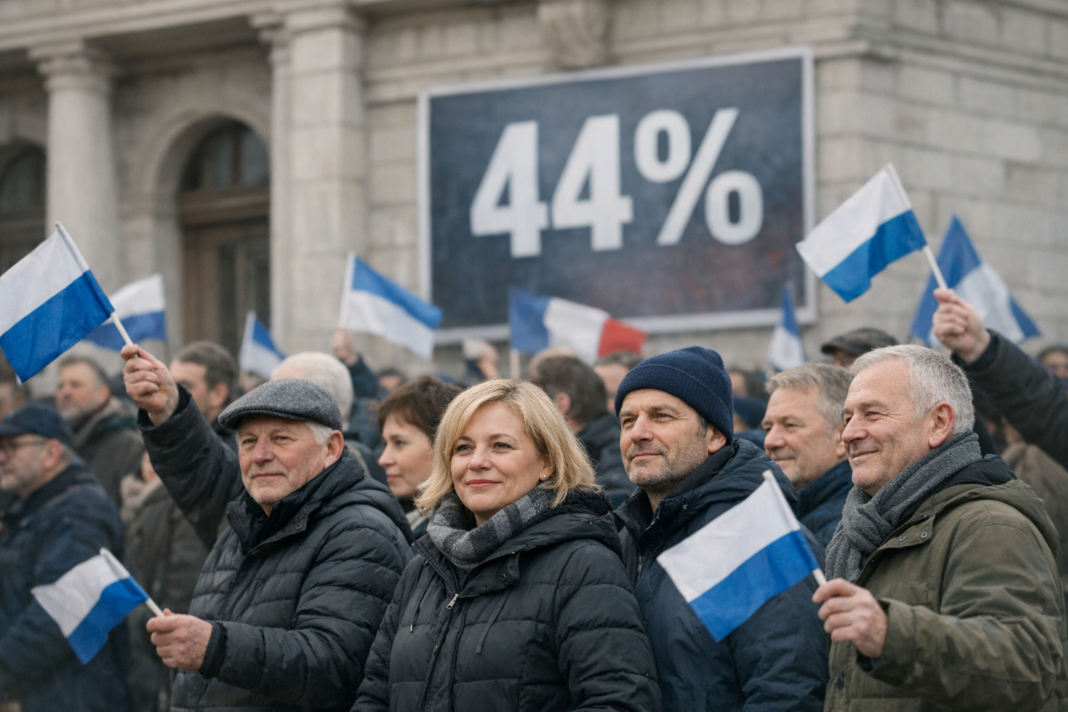

Political unease persists after the recent state election that delivered a dramatic result in Saxony-Anhalt. The far-right, anti-immigrant and pro-Kremlin AfD secured 44% of the vote on 6 September amid a record turnout, becoming the largest party in the state parliament. If the party were to enter government, it would mark the first time a far-right formation has governed a German state since the Nazi era, intensifying debate across Germany.
The outcome has been read as the culmination of long-standing political shifts in the country’s east. Decades after reunification, many communities in eastern regions have experienced economic restructuring, demographic change and a sense of political marginalisation. Those factors have been cited repeatedly in coverage and analysis as drivers of support for parties that position themselves against the political establishment and traditional policy consensus.
The result poses immediate questions for national and regional actors. Mainstream parties must confront why significant numbers of voters in parts of the east have turned decisively to a party promising radical departures from prevailing policies. The prospect of the AfD exercising executive influence at state level would also shape policy debates on migration, public order and relations with federal authorities, and could alter the dynamics of coalition-building elsewhere.
Beyond party calculations, the election is likely to refocus public discussion on representation and democratic engagement. Observers point to the need for renewed attention to local economic concerns, service provision and civic dialogue as elements that shape electoral choices. The result has therefore shifted the political agenda: whatever conclusions political leaders draw in coming weeks will determine whether the outcome becomes a driver for policy change, intensified polarisation or renewed efforts at inclusive governance.






