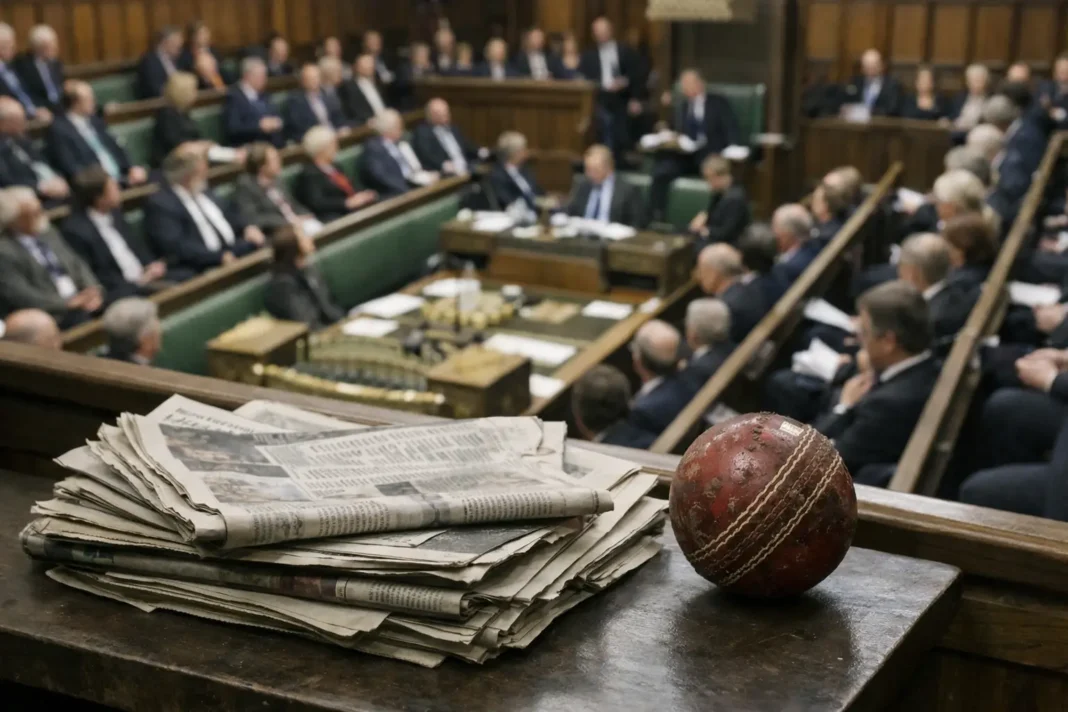

Two unresolved public dramas have returned to the foreground in strikingly different arenas. The renewed argument over Brexit has been set beside Australia’s 2018 ball-tampering scandal, a cricket crisis that damaged reputations far beyond the boundary rope. The comparison is not one of scale or subject matter, but of public memory: controversies built around trust, process and accountability often resurface when the original settlement fails to command lasting confidence.
In British politics, a series of former Conservative prime ministers has been pulled back into the Brexit conversation. Theresa May has reappeared in public discussion, while David Cameron warned of a “very long and painful argument” if the issue is reopened. Rishi Sunak described such a debate as “divisive” and “all-consuming”. Boris Johnson, addressing Andy Burnham, cautioned that reopening Brexit negotiations would amount to “wasting his premiership”. Their interventions underline how the 2016 referendum continues to shape political positioning years after the UK’s departure from the European Union.
Brexit was approved by referendum in 2016 and the United Kingdom formally left the EU in 2020. Since then, trade rules, regulatory alignment, Northern Ireland arrangements and questions over Britain’s relationship with the single market have remained politically sensitive. The official machinery of the UK Government and the European Union has moved on to implementation, but a completed legal process has not ended public disagreement over consequences and responsibility.
The cricket parallel points to a different form of institutional reckoning. In March 2018, during a Test match against South Africa in Cape Town, television cameras showed Australian player Cameron Bancroft attempting to alter the condition of the ball. Cricket Australia sanctioned Bancroft, Steve Smith and David Warner, with Smith and Warner receiving 12-month bans and Bancroft a nine-month ban. The episode became a defining crisis for Australian cricket, raising questions about dressing-room culture, leadership and the lengths teams might go to in pursuit of victory.
Both cases show how formal punishment or procedural closure does not necessarily settle broader questions of legitimacy. In sport, the issue is whether sanctions restore confidence in competition. In politics, it is whether a democratic outcome also delivers a durable national consensus. When doubts remain, attempts to “move on” can collide with unresolved arguments over motive, conduct and consequence. That is why old wounds, in public life as much as in elite sport, can reopen long after the official verdict has been delivered.