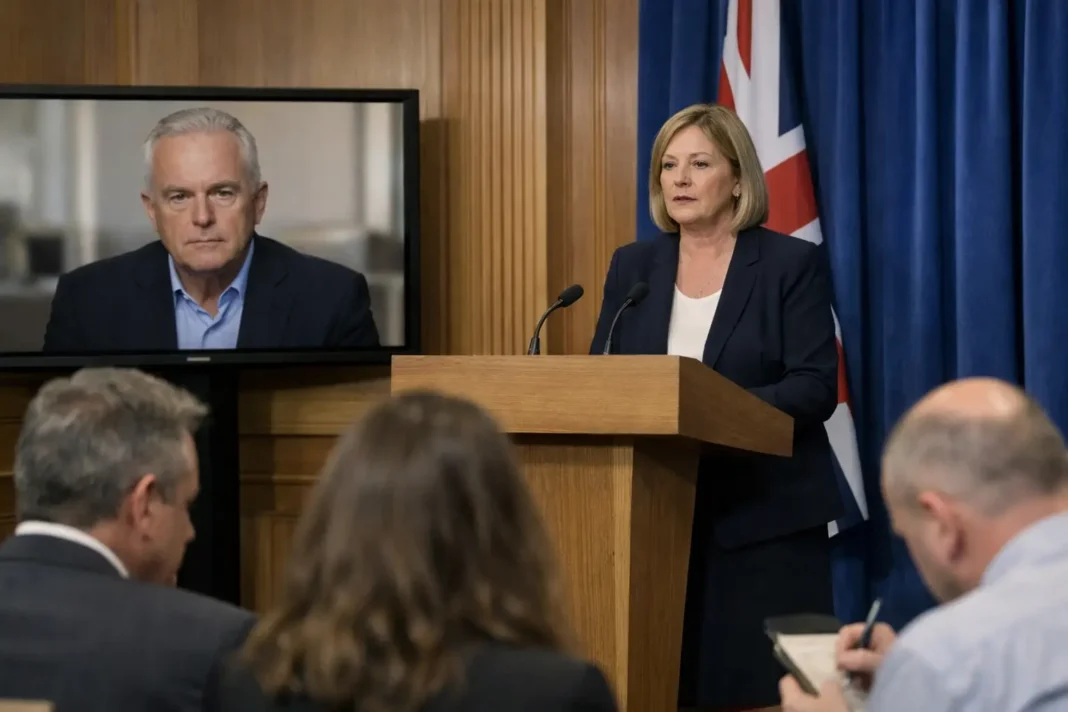

Downing Street has distanced itself from the latest public appearances by Huw Edwards, saying there is “no interest” in hearing from the former BBC news presenter. The comment followed a wave of criticism over new interviews involving Edwards, whose fall from one of British broadcasting’s most recognisable roles has continued to raise questions about accountability, platforming and the responsibilities of major media organisations.
The response from Downing Street reflects the sensitivity surrounding Edwards’s return to public discussion. Once a leading figure in UK media, he became closely associated with some of the BBC’s most significant national broadcasts before leaving the corporation under serious public scrutiny. His case has also intensified debate over how institutions handle misconduct involving prominent presenters and how much attention should be given to figures seeking to re-enter the public conversation after disgrace.
Edwards pleaded guilty in 2024 to offences linked to indecent images of children and received a suspended prison sentence. The criminal proceedings transformed a media controversy into a matter of public record, leaving broadcasters, publishers and political figures under pressure to avoid treating subsequent appearances as routine celebrity interviews. The backlash to the latest interviews has centred not only on Edwards himself, but also on the editorial judgement of those choosing to give him airtime or space.
For the BBC, the affair remains part of a broader challenge over public trust. The corporation’s status as a publicly funded broadcaster places its internal standards and crisis management under close scrutiny, especially when cases involve presenters who were closely identified with its news output. While Edwards no longer works for the broadcaster, his name remains tied to its reputation because of the prominence he held for years in national coverage.
The government’s brief but firm intervention signals that the political centre is unwilling to legitimise a media rehabilitation narrative around Edwards. It also underlines a wider shift in public expectations: broadcasters and interviewers are increasingly judged not only on whether a person is newsworthy, but on whether the format, framing and timing of coverage serve the public interest. In Edwards’s case, the reaction shows that any further attempt to return to public life will face sustained scrutiny from audiences, institutions and political figures alike.