

This April marks the 30th iteration of National Poetry Month, which was launched by the Academy of American Poets in April 1996. To celebrate, the Literary Hub staff will be recommending one great poem to read every (work) day of the month. We make no claim (except when we do) that these poems are the “best” poems in any category; they are simply poems we love. The only other thing they all have in common is that they are available to read for free online, so you can enjoy them along with us. The internet is still good for some things, after all. Today we recommend:
Robert Hayden’s “Those Winter Sundays”
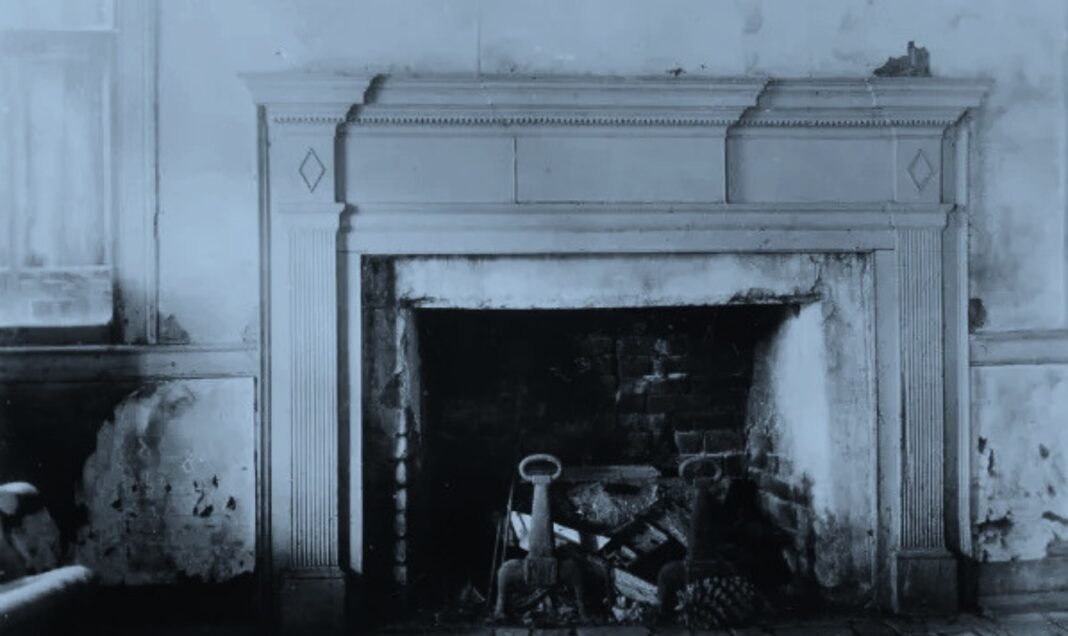
I have written before at this site about Robert Hayden’s quietly tender elegy to his foster-father, a poem that reads like the slow exhalation of a private breath held too long. Hayden himself regretted he’d never let the man know of his admiration, his love, or indeed that he’d even noticed all those wordless acts of care that comprise a parent’s love for a child (though we see them when we are young we do not know how to speak of them until we are old, often and only when it is too late). It is this particular ache that fills each line of what is otherwise a deceptively simple account of a man waking early to warm a cold house by lighting a fire. As I wrote a few years back, of the first two stanzas (reproduced in full, below):
Sundays too my father got up earlyand put his clothes on in the blueblack cold,then with cracked hands that achedfrom labor in the weekday weather madebanked fires blaze. No one ever thanked him.
The first sentence is one long nostalgic exhalation, its faint rhythms hidden in the line-breaks that lead us from cold and darkness to light and heat. And if this first sentence locates us immediately and resonantly in a place and a time, the second sentence, brief as it is, reveals everything we need to know about the poem’s main character.
I’d wake and hear the cold splintering, breaking.When the rooms were warm, he’d call,and slowly I would rise and dress,fearing the chronic angers of that house,
As the speaker of the poem surfaces through the second stanza a tension rises with him, culminating in the stanza’s pivotal line: “fearing the chronic angers of that house.” It is this note of discord, this complication, that invites the possibility of resolution…
It is its last two lines that cements “Those Winter Sundays” in the pantheon of great American poems, a sentence so original yet so simple, immediately recognizable to anyone who’s ever felt that sweet and tender and heartbreaking distance that happens, inevitably, between a parent and child, “a universal pain, a species of regret each of us must encounter eventually in life.” And note the repetition in its penultimate line, elevating mere self-recrimination to near mythic lamentation:
What did I know, what did I knowof love’s austere and lonely offices?
Read the full poem here.
(Or buy the book.)
Source:
lithub.com




