In the period after the fighting, when the sirens have decreased and routine begins to return, many discover that their body is not in a hurry to relax. Precisely now, when everything is “supposed to be fine,” feelings of fatigue, tension and imbalance remain – and sometimes even intensify.
Stress does not disappear in a single day, and it continues to affect us from within as well. One of the indicators that respond to this is cholesterol – which is influenced not only by diet, but also by what the body and mind have gone through in recent months.
Cholesterol, which is considered one of the main risk factors for cardiovascular diseases, is also one of the indicators that causes the most anxiety for people in blood tests. The numbers go up, and the doctor immediately mentions statins. But more and more Israelis are asking: Is there really no other way?
Cholesterol is not the enemy
First of all, it is important to understand: Cholesterol is an essential substance. It is required for building cell membranes, for hormone production, and for brain function. The problem begins when the balance is disrupted, usually due to a Western diet high in sugar and processed fat, lack of activity, chronic stress, and inflammatory processes in the body.
In other words: High cholesterol is often a symptom, not the problem itself.

During periods of ongoing stress, such as the one many have experienced since the beginning of the war, the body enters a survival state. Stress hormones such as cortisol and adrenaline rise, affecting metabolism, blood sugar levels, and also the lipid profile. In such a state, even someone who previously maintained a balanced diet may see an increase in cholesterol – not only because of what they eat, but because of what the body is experiencing.
It is important to understand: Even when the threat decreases, the body does not always “receive an update.” The nervous system can remain in a state of alert, as if the danger is still present. The result is continued secretion of stress hormones, disruption of metabolic balance, and an increase in markers such as cholesterol and blood sugar. This is also why many report right now increased fatigue, emotional eating, decreased energy, and sometimes also worse blood test results, even though they have not significantly changed their diet.
Nutrition that works with the body – even when there is no routine
Instead of giving the same treatment to everyone, the integrative approach examines what is causing the problem in each person: Is it related to the liver? To insulin? To weight? To emotional stress?
The treatment is built from several components that complement each other.
This is not a generic diet, but a personalized adjustment. However, during a period of lack of routine, emotional eating, high availability of processed food, and prolonged sitting in front of screens – the challenge is greater.In most cases, the recommendations include:
• Reduction (even if partial) of sugar, white flour, and processed foods• Switching to healthy fats such as olive oil, avocado, nuts, and fish• Combining dietary fiber that helps remove excess cholesterol
Even small changes, such as replacing snacks with more natural foods or adding vegetables to one meal a day, can have an effect over time.
Medicinal plants alongside statins
Naturopathy offers a variety of natural substances that have been studied in relation to cardiovascular health.
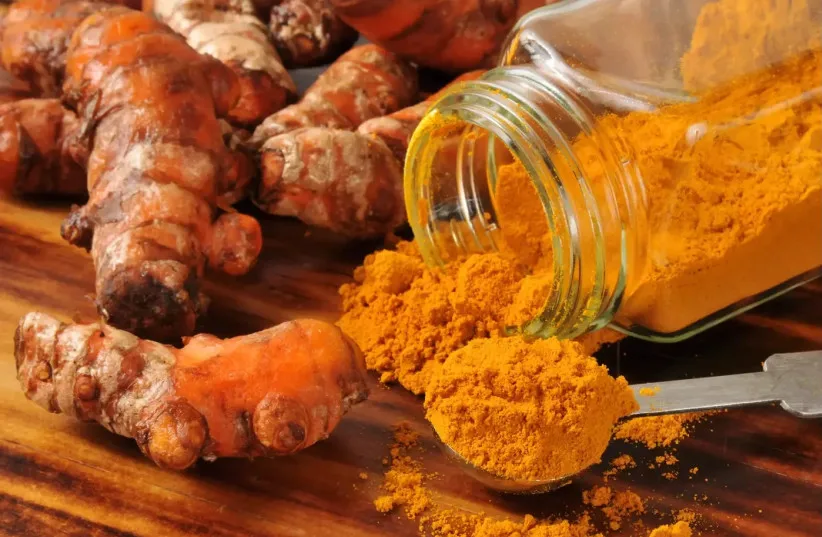
Artichoke extract, for example, supports liver function. Garlic is associated with improvement in blood lipid profiles, and curcumin, the active ingredient in turmeric, is known for its anti-inflammatory properties.
Red yeast rice and berberine act in a way that somewhat resembles statins, and sometimes with fewer side effects.
It is important to note: Some of these supplements do not act only on cholesterol itself, but also on processes that worsen it, such as inflammatory processes and stress. During a period of ongoing tension, this becomes especially relevant.
Of course, there is no one solution for everyone. Every treatment plan is personalized, taking into account medications and medical condition – and always in coordination with the treating physician.
In the period after a prolonged crisis, the challenge is not only to deal with stress, but to recognize that it is still there. Many people expect themselves to “return to routine,” but in practice experience difficulty concentrating, irregular sleep, or a need for comfort through food. The understanding that this is a normal physiological response can reduce feelings of guilt and allow a softer and more precise approach to the balancing process.
The body does not distinguish between physical threat and emotional threat, and therefore remains in a state of alert for a long time. The result is disruption of hormonal balance, increased inflammatory processes, and impairment of metabolic mechanisms.
Therefore, in integrative medicine, stress management is not considered an addition, but an inseparable part of treatment.
It is important to clarify that in high-risk individuals, after a cardiac event or with a genetic predisposition, statins are sometimes a necessary and life-saving treatment. But for many, especially in early stages, a combination of diet, medicinal plants, and lifestyle can reduce dosages, delay the start of drug treatment, and sometimes even eliminate it.
What can be done right now?
Right now, there is no need for dramatic changes. On the contrary, the body needs gentle stability. Small and consistent actions can signal to the system that the danger has passed: Light movement, mindful breathing, structured eating, and relatively consistent sleep hours. In other words, before trying to “fix” cholesterol, it is worth helping the body feel safe again.
Precisely in this period, when external reality is beginning to calm down but the internal feeling is still stabilizing, it is important to remember: Our health is a process, not an immediate response.
Cholesterol balance is not only a medical goal, but part of a broader picture of physical and mental recovery.Integrative medicine offers not only tools for improving markers, but also an approach that recognizes that it takes time for the body to return to itself. And sometimes, that is exactly what we need right now – less pressure, more listening.
Dr. Yevgeny Moskovitz is an internal medicine physician and endocrinology specialist, Sigal Harel is a naturopath N.D, Cl.H at the MEDBALANCE center for the treatment of metabolic diseases.
Source:
www.jpost.com