


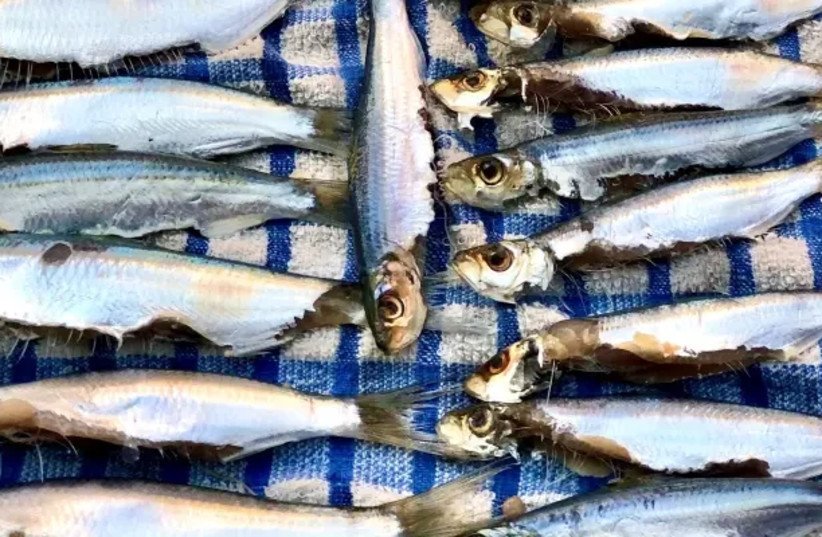
Canned sardines are an excellent source of essential nutrients, including lean protein, healthy fats (polyunsaturated fats), vitamins and minerals. Studies show that the fatty acids and other nutrients that sardines provide in a meal help reduce the effects of sun damage on the skin, and help prevent and slow signs of aging. These are all the vitamins, minerals and substances that will help you maintain skin health:
Omega-3 fatty acids – Fight inflammation and UV damage
One serving of two sardines in oil provides 1.46 grams of polyunsaturated fat, including high levels of omega-3 fatty acids. The omega-3s in sardines, especially eicosapentaenoic acid (EPA) and docosahexaenoic acid (DHA), help reduce symptoms of inflammation. Studies indicate that these fatty acids help prevent damage from the sun’s UV rays to collagen – the protein responsible for skin structure.
Another advantage of omega-3 fatty acids is that they support wound healing. Moreover, these fatty acids support the skin barrier, the outermost layer of the skin that protects against disease, and help the skin retain moisture.
Vitamin D – Supports cell turnover and collagen production
A serving of sardines provides about 9% of the recommended daily intake of vitamin D for adults aged 19 to 50. Vitamin D has several roles in maintaining skin health:
Strengthening immune system function and helping fight skin infectionsAssisting in the process of skin cell turnoverReducing inflammationEncouraging collagen production
Vitamin B12 – Supports the skin barrier
Sardines are a rich source of vitamin B12. A serving of two sardines in oil provides about 7% more than the recommended daily intake for adults aged 19 and over. B12 is a powerful antioxidant that helps clear the body of unstable molecules called free radicals. This process supports the skin barrier and helps protect against skin damage caused by UV radiation.
Adequate levels of vitamin B12 in the body help you successfully cope with inflammation, and ease symptoms of sunburn or skin problems. A deficiency in vitamin B12 may cause hyperpigmentation (patches of darker skin), vitiligo (loss of skin pigment), acne and eczema (patches of scaly and itchy skin).
Selenium – Supports DNA synthesis and repair
Like vitamin B12, the mineral selenium supports skin health in several ways. A standard serving of sardines provides about 23% of the recommended daily intake of selenium. It is a powerful antioxidant with anti-inflammatory properties, which also plays a role in DNA synthesis and repair. It also helps fight skin damage following prolonged exposure to sunlight, and slows the progression of signs of aging.
Alongside a skincare routine, omega-3 fatty acids found in sardines may help prevent wrinkles, prevent skin sagging and reduce other visible signs of aging caused by exposure to UV radiation. But it is important to note that sardines are not a magic solution that will reverse any damage – and eating them will not lighten dark spots or smooth wrinkles in the skin.
In addition, the anti-inflammatory nutrients in sardines may help with acne and other inflammatory skin conditions. In clinical trials, omega-3 supplements have been proven effective in managing symptoms of eczema and psoriasis, such as itching and scaling. However, extensive research on the subject is still ongoing.
It is also important to note that eating one sardine will not significantly affect skin health. In the research on the subject, the benefits came with regular consumption of large amounts. In one study, daily doses of 4 grams of omega-3 fatty acids were effective in protecting against UV radiation. This means you would need to eat an amount equivalent to about three cans of sardines in oil per day to enjoy the benefits shown in the study – an excessive amount that most people would not eat (and in some cases should not). However, there are other sources of omega-3, such as salmon, flaxseeds or fish oil supplements.
Source:
www.jpost.com




