
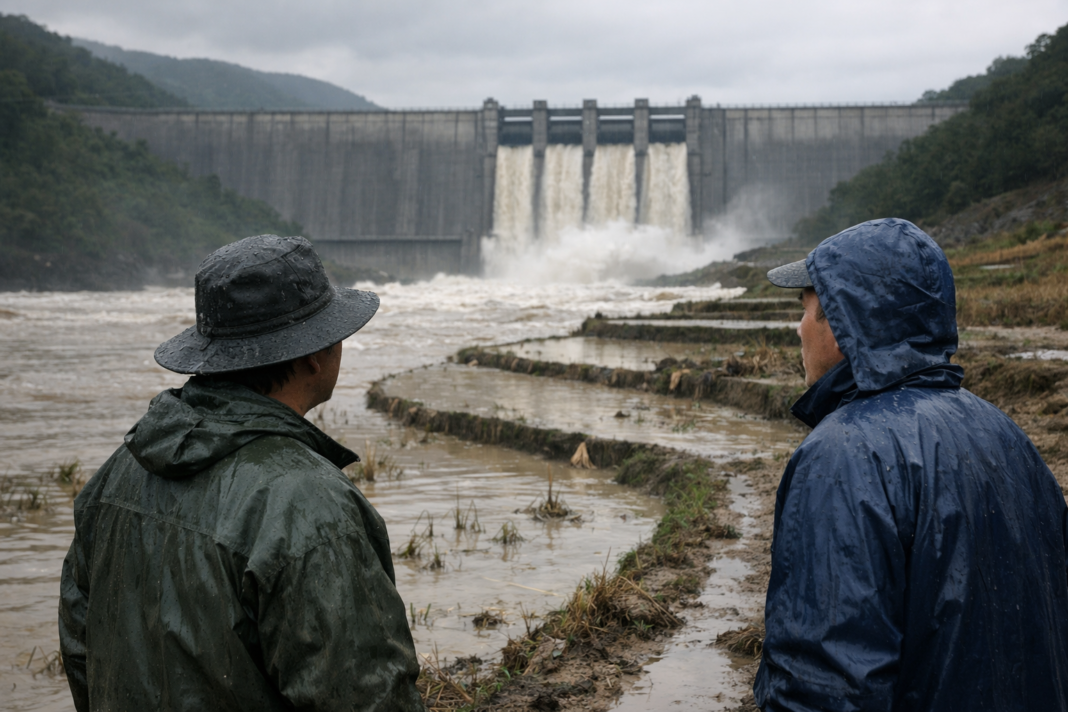

China’s megadam projects have transformed vast stretches of major rivers as Beijing pursues hydropower, irrigation and flood-control objectives. While reservoirs can store floodwaters and produce low-carbon energy, engineers and hydrologists note that very large impoundments also change the timing and volume of flows, alter sediment transport and increase water pressure on upstream banks and valleys. Those alterations can make some valley reaches more vulnerable when extreme rainfall events occur.
Operating large reservoirs requires finely tuned management of inflows and releases to avoid sudden discharges that can overwhelm downstream channels or inundate upstream terraces. Observers point to the risk of emergency spillway openings during intense storms when reservoirs are near capacity. The role of official agencies in monitoring and coordinating such operations is central: Ministry of Water Resources infrastructure planning and reservoir management decisions directly affect local hazard exposure.
The consequences extend beyond immediate flood threats. Reservoir-induced changes in river dynamics can submerge cultural sites, alter agricultural land suitability and degrade habitats for fish and riparian species. Transboundary implications are also a concern where upstream storage affects downstream nations’ water availability and seasonal flows. Regional institutions and technical secretariats, including the Mekong River Commission, monitor shared rivers and stress the importance of data exchange and coordinated operation to reduce cross-border impacts.
Experts and stakeholders increasingly call for transparent operating rules, real-time flow and reservoir-level data sharing, and independent monitoring to reduce the likelihood that a large impoundment becomes an abrupt source of flooding. Strengthening early-warning systems, integrating climate change projections into reservoir planning and improving downstream land-use policies are among the measures proposed to reconcile energy and water-security goals with community safety. As river basins face more variable extremes, the governance of very large dams will be a central test of whether major infrastructure can be managed without amplifying risk.






