
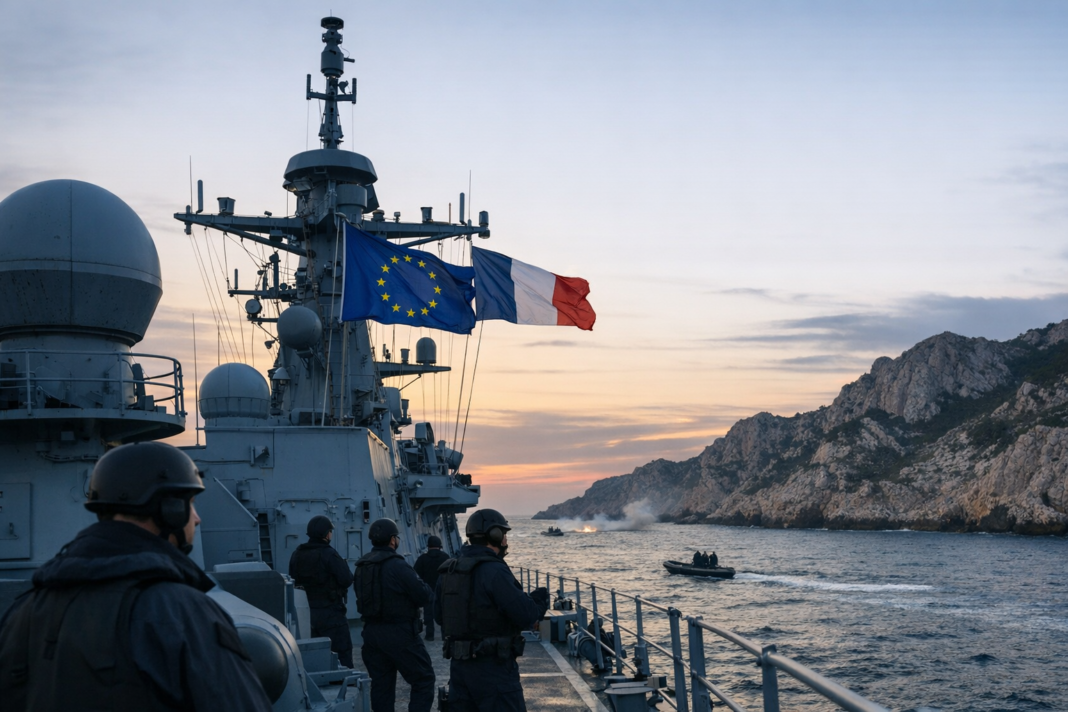

Europe faces an immediate strategic challenge as states reassess defence posture in response to sustained pressure from Russia and evolving commitments from the United States. The question confronting capitals is operational: can European countries deter and, if necessary, defeat hostile action without relying on US combat forces at scale? Policy discussions now focus on force structure, logistics, and interoperability across NATO and European institutions.
Russia has employed a mixture of cyber operations, political influence campaigns and military demonstrations close to allied territory, including reported increases in disruptive cyber activity against NATO states and a recent live-fire exercise by a warship in proximity to the United Kingdom. These actions have driven a measurable policy response: defence budgets are rising in a number of member states, and governments closest to contested areas have accelerated procurement and readiness measures to strengthen deterrence in the near term.
European Union governments and NATO partners are translating higher expenditure into concrete capability projects. Efforts include joint procurement frameworks to address munitions shortfalls, expanded air and missile defence assets, reinforced maritime surveillance, and investment in resilient logistics and stockpiles. Proposals to deepen permanent command structures and to harmonise maintenance and replenishment chains aim to reduce critical vulnerabilities that become acute in high-tempo operations.
NATO discussions about a Europe-focused posture—sometimes described publicly as a refreshed alliance concept—reflect a recognition that integrated continental capabilities are essential regardless of the degree of US forward deployment. Officials and analysts characterise a stronger autonomous European defence posture as an insurance policy: it would increase deterrence, improve crisis response, and enhance burden-sharing within the alliance. The ongoing policy task for European states is to convert increased spending into interoperable, sustain-able capabilities that close existing gaps and provide credible, collective defence options without speculative assumptions about future external commitments.





