
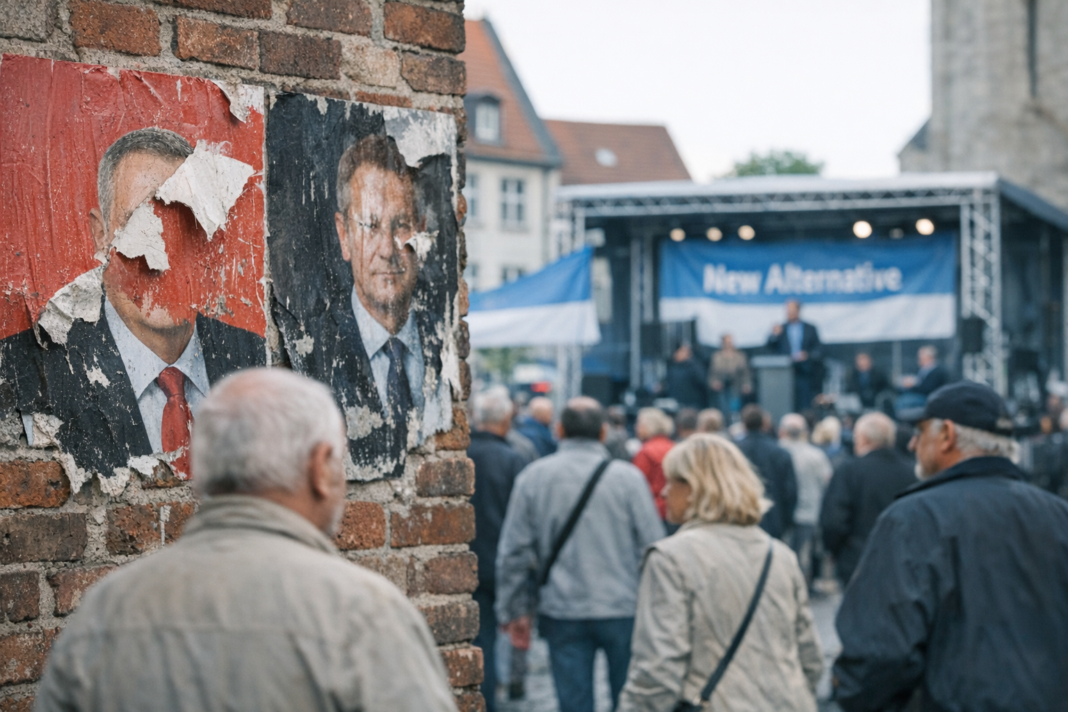

Mainstream political barriers in Germany are showing signs of strain as voter loyalties fragment and the traditional balance among the major parties changes. Since the 2021 formation of the coalition led by SPD alongside the Greens and the FDP, opinion shifts at local and regional levels have highlighted a widening political field. The emergence of stronger showings for the AfD in several parts of the country has altered campaigning dynamics and forced established parties to reassess messaging and voter outreach.
Electoral geography remains a key factor: support for the AfD has been more pronounced in some eastern Länder and in certain municipal contests, while the long-standing dominance of centrist formations has diminished in these areas. The episode in Thuringia in 2020, when a regional vote exposed cross-party tensions, remains a reference point for how fragile conventional arrangements can be. At the same time, mainstream parties continue to hold governing majorities at the national level, and cooperation among them still shapes federal policy choices.
The changing distribution of votes has practical consequences for governance. Coalition management at federal level involves complex compromises on issues such as migration policy, energy provision and cost-of-living measures, all of which have been prominent in voters’ concerns. Local administrations and state parliaments are also confronting new arithmetic: more fragmented assemblies make coalition-building and stable majorities harder in some places, affecting policy continuity and administrative planning.
Observers across the political spectrum note that the evolution of party support will be tested in forthcoming regional and European contests, which will offer clearer signals about long-term patterns. Meanwhile, established parties are adapting campaign strategies and policy priorities to respond to voter volatility. The response of the German Federal Government and of state administrations to these shifts will be decisive in determining whether recent trends solidify or revert in future ballots.





