
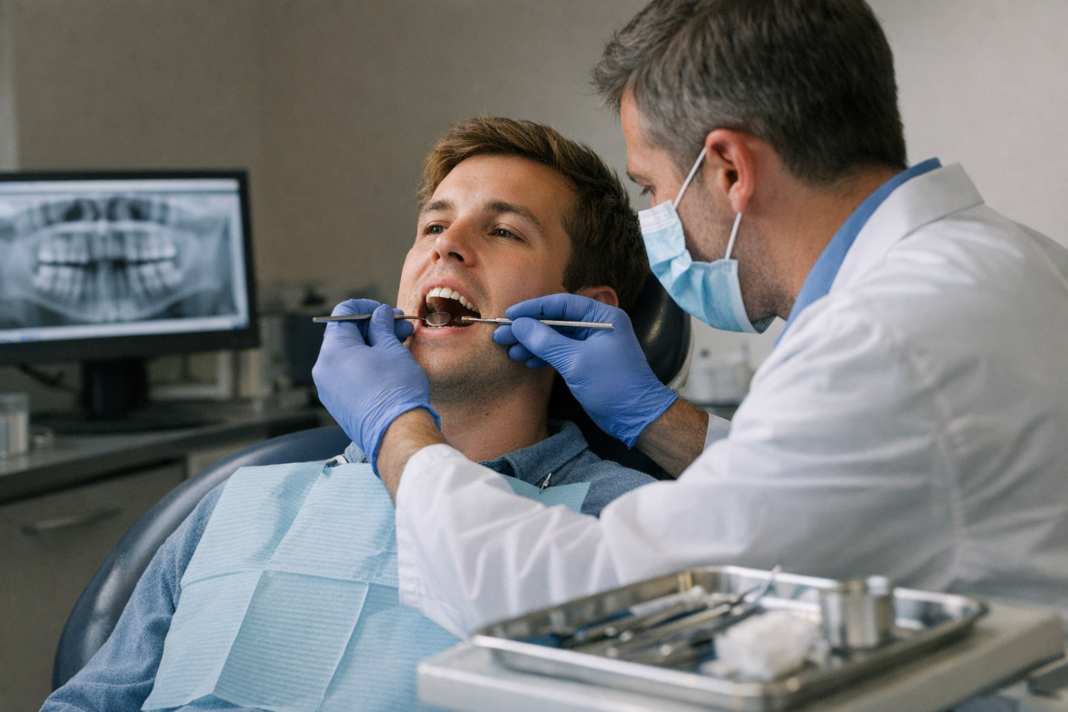

Many young patients are being identified by dental teams as sufferers of tooth grinding, a condition that can go unnoticed for years yet lead to persistent pain and irreversible dental wear. Clinicians say that awareness among patients is often low, with symptoms emerging gradually. Early assessment by a dental professional can change the course of the problem, reduce discomfort and limit long-term damage.
Signs of grinding include flattened or chipped teeth, sore jaw muscles, chronic headaches and disturbed sleep. Guidance from the NHS highlights these common symptoms and stresses the importance of professional appraisal to distinguish bruxism from other causes of facial pain. Dentists use clinical examination and patient history to identify characteristic tooth wear patterns and muscle tenderness associated with the condition.
Bruxism is linked to a range of contributing factors rather than a single cause. Stress and anxiety, disrupted sleep, certain medications and habits such as high caffeine or alcohol intake can be associated with increased tooth grinding. Dental occlusion — the way teeth come together — may also play a role for some patients. Because triggers vary, management typically involves a combination of approaches tailored to individual needs rather than a one-size-fits-all solution.
Treatment options offered by dental and medical teams include protective oral appliances worn at night, targeted physiotherapy for the jaw muscles, behavioural strategies to reduce daytime clenching and measures to improve sleep quality. In some cases, restorative dental work is needed to repair worn teeth. Patients are advised to consult their dentist or GP if they notice symptoms, so an appropriate plan can be agreed. Information and resources on maintaining oral health and accessing specialist care are available through local dental services and health providers, and timely intervention can significantly improve symptoms and quality of life.






