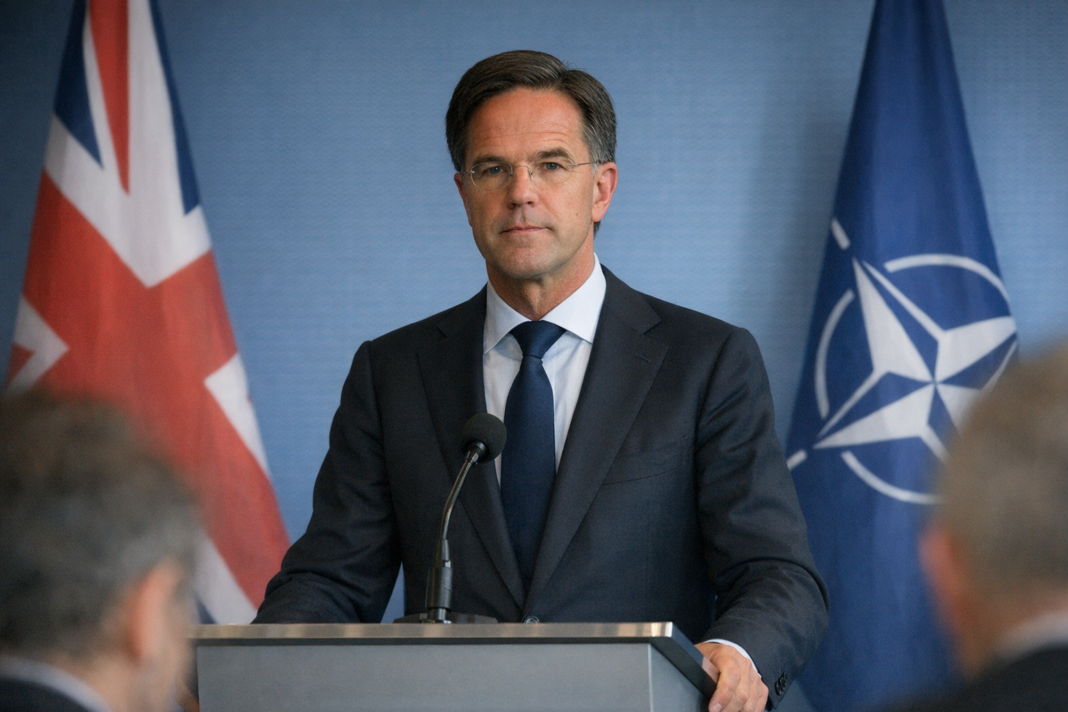

UK must present a clear and credible plan to increase defence spending, Mark Rutte said in an interview with the BBC. As secretary general of NATO, Rutte underlined that allied planning depends on predictable national commitments, and noted that UK ministers have accepted the need to take regular steps to raise defence budgets. The remark frames the issue as one of long‑term credibility rather than a single budgeting decision.
Rutte’s intervention highlights the operational implications of funding trajectories: steady increases allow governments to plan procurement, training and force posture with greater certainty. Allies seek assurances that resources allocated to defence will translate into sustainable capabilities and interoperability within the alliance. Rutte did not set specific targets in the interview but emphasised that a phased approach agreed by national leaders can improve collective planning and reduce short‑term volatility in defence programmes.
Within NATO, funding and burden‑sharing remain recurring topics as capitals balance fiscal pressures with security commitments. The secretary general’s comments reflect ongoing discussions among member states about how to reconcile domestic budget cycles with multiyear defence procurement timelines. By framing the conversation around a “credible path,” the NATO leadership is signalling the importance of predictability for both allied coordination and industry investment that underpins capability delivery.
The exchange with the BBC comes at a moment when partners will scrutinise parliamentary decisions and medium‑term spending plans to gauge whether pledges translate into sustained action. NATO officials say transparent roadmaps help translate political commitments into operational outcomes, and encourage dialogue between governments and the alliance on sequencing and priorities. For readers seeking the full context, Rutte’s office and NATO publish statements and related materials on their official channels, while the BBC interview provides the direct remarks referenced in this report.