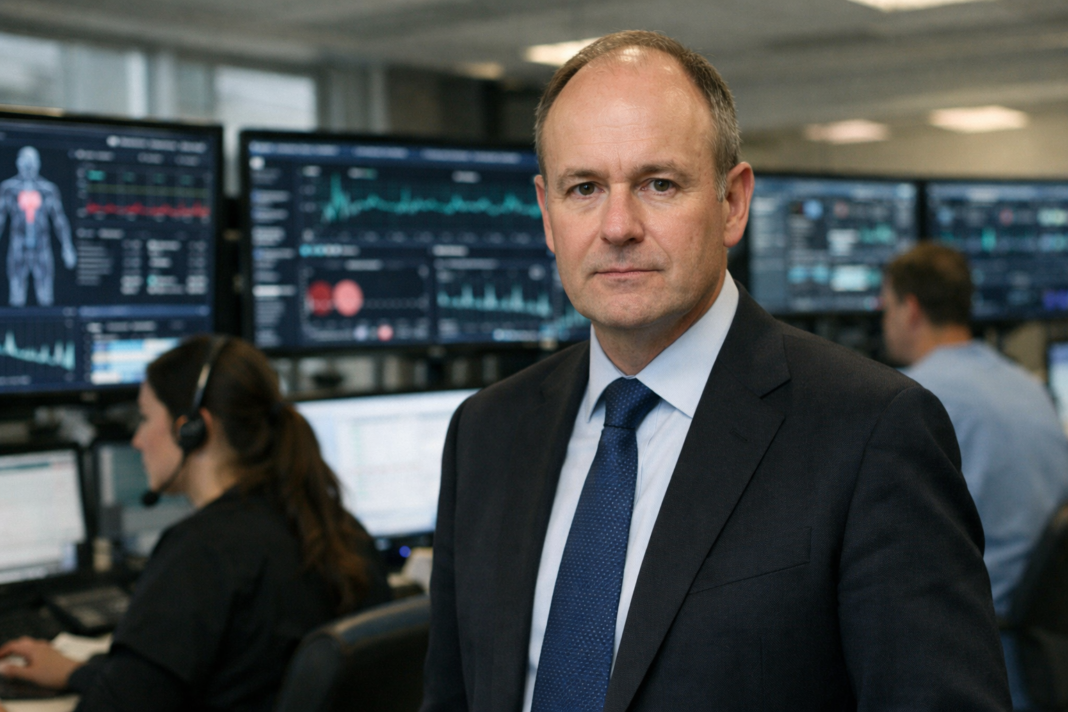

UK regulator says the rapid arrival of artificial intelligence in clinical settings requires fresh legislation, after MHRA chief Lawrence Tallon told the BBC that the technology will soon be routinely used within the NHS. His remarks underline an acceleration in the adoption of AI tools across diagnosis, decision support and administrative functions in health services.
The regulator’s intervention frames a set of practical challenges for lawmakers and health systems. Key areas highlighted by regulators and health leaders include patient safety, clinical validation of algorithms, data governance and lines of accountability when automated systems are deployed alongside clinicians. Establishing statutory standards or obligations is presented as a way to ensure that AI tools meet consistent safety and performance benchmarks before they are used at scale.
The MHRA already oversees the regulation of medical devices and related software in the UK, and its call for new legal measures signals a likely expansion of scrutiny over machine-learning systems used in care. Any legislative change would affect manufacturers, NHS procurement and the frameworks used by regulators to approve, monitor and withdraw products. Stakeholders will need to align technical evaluation, post-market surveillance and clinical oversight if deployment accelerates.
Mr Tallon’s comments add momentum to an ongoing policy discussion about how to integrate digital tools into health services without compromising patient protection. The focus now turns to how lawmakers, regulators, clinicians and industry representatives will define legal and operational guardrails. Observers say the outcome will shape procurement, safety assessment and accountability mechanisms as AI moves from pilot projects to routine clinical use.