

This year’s Lasker prizes have recognised a trio of advances that bridge basic neuroscience, clinical innovation and public advocacy. The awards, each accompanied by a $250,000 honorarium, were announced by the Lasker Foundation and will be presented in New York City on Sept. 17; the foundation was created in 1942 by Albert and Mary Lasker. The 2026 winners include scientists whose work exposed a central molecular switch for wakefulness, the team behind a transformative hemophilia therapy, and the actor turned campaigner whose foundation has mobilised major funding for Parkinson’s research; the full list is available on the Lasker winners page.
The Albert Lasker Basic Medical Research Award went to Emmanuel Mignot and Masashi Yanagisawa for identifying orexins, peptides produced in the hypothalamus that maintain wakefulness and are deficient in certain forms of narcolepsy. Their independent approaches—genetic and physiological studies in animals and biochemical searches for orphan receptor ligands—converged to reveal a molecular mechanism for sleep–wake regulation. That discovery has catalysed new drug classes: orexin receptor antagonists that promote sleep and emerging orexin receptor agonists aimed at treating narcolepsy; the first agonist in this category received regulatory approval in August.
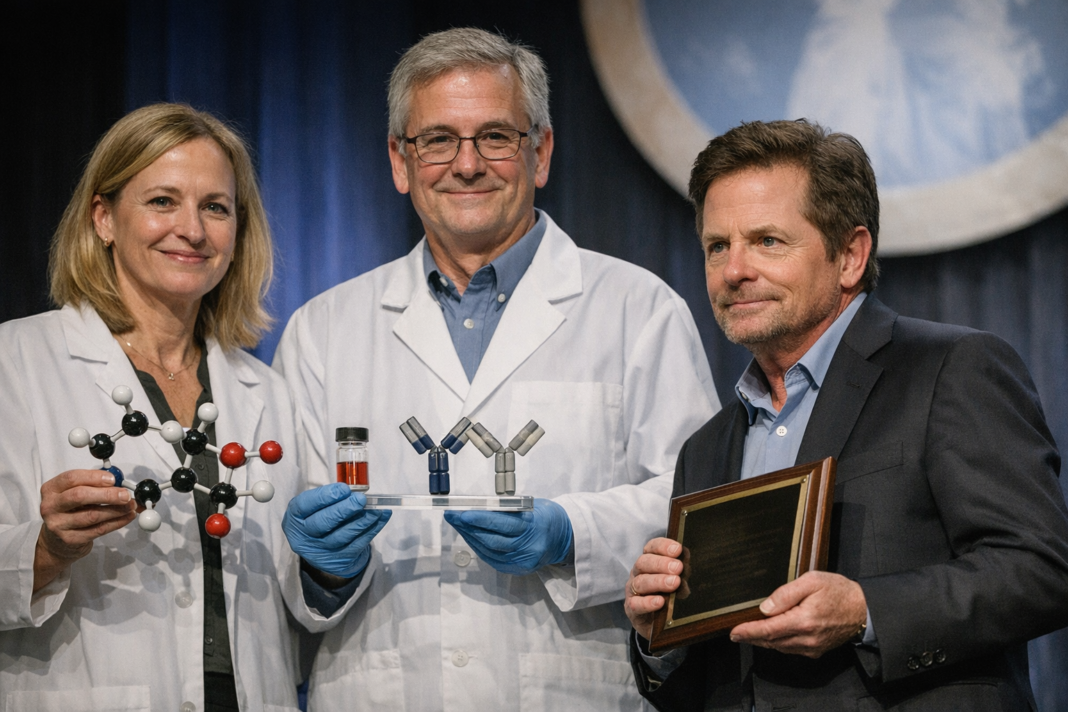
The Lasker~DeBakey Clinical Medical Research Award recognised three scientists from Chugai Pharmaceutical—Kunihiro Hattori, Takehisa Kitazawa and Tomoyuki Igawa—for developing a bispecific antibody, emicizumab (marketed as Hemlibra), that links clotting factors IX and X to substitute for missing factor VIII. This mechanism restores clot formation in people with hemophilia A, a disorder that can cause severe joint bleeding and mobility loss. Emicizumab gained U.S. approval in 2017, has been authorised in over 100 additional countries and has been administered to more than 30,000 patients, according to the award announcement.
The Lasker~Bloomberg Public Service Award was presented to Michael J. Fox and The Michael J. Fox Foundation for Parkinson’s Research. Fox, who disclosed his early-onset Parkinson’s diagnosis publicly in 1998 and launched his foundation in 2000, has helped direct funding and attention to the field; the foundation reports investing more than $3 billion in research. Collectively, the 2026 honours underscore how molecular insights, therapeutic engineering and sustained advocacy can advance treatment options and expand research capacity across neuroscience and clinical medicine.





