
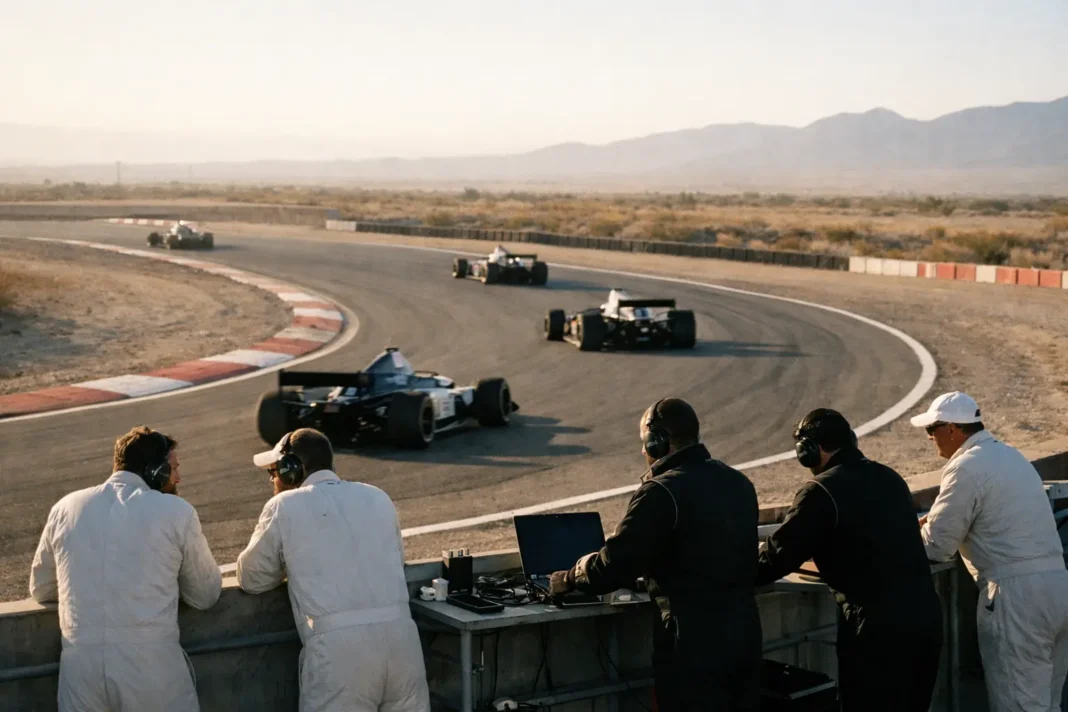

Bahrain GP teams are using a crucial final practice session to complete their preparations ahead of qualifying for the Bahrain Grand Prix. With track time limited, engineers and drivers focus on extracting consistent performance, balancing qualifying runs with longer stints that simulate race conditions. Attention centres on setup tweaks, tyre choices and fuel loads as squads try to convert practice data into a clear plan for the all-important qualifying hour. The session is also closely watched by fans and commentators in the Formula 1 community.
Final practice typically serves as the last opportunity for teams to validate tyre compounds, brake settings and aerodynamic balances under evolving track conditions. Crews analyse telemetry and tyre degradation patterns to decide whether to prioritise single-lap speed or race trim. Given the compressed timetable, teams often run a mix of short, fast laps to assess peak performance and extended runs to understand consistency and thermal behaviour across components.
Outcomes from this session can influence both immediate qualifying tactics and longer-term race strategy. A team that finds a reliable window of performance can opt for an aggressive qualifying setup, while others may adopt a conservative approach to protect tyre life and race pace. The data gathered will feed into decisions on tyre stint lengths, qualifying tyre usage and potential adjustments to suspension or aero settings before the grid is set.
Qualifying will follow the practice session, offering a definitive measure of how successful teams have been in translating practice gains to outright pace. Observers will watch whether on-track trends persist and how teams respond to any unexpected issues identified during the final runs. As the weekend progresses, the session’s findings are likely to shape starting orders and influence tactical choices that could prove decisive on race day.






