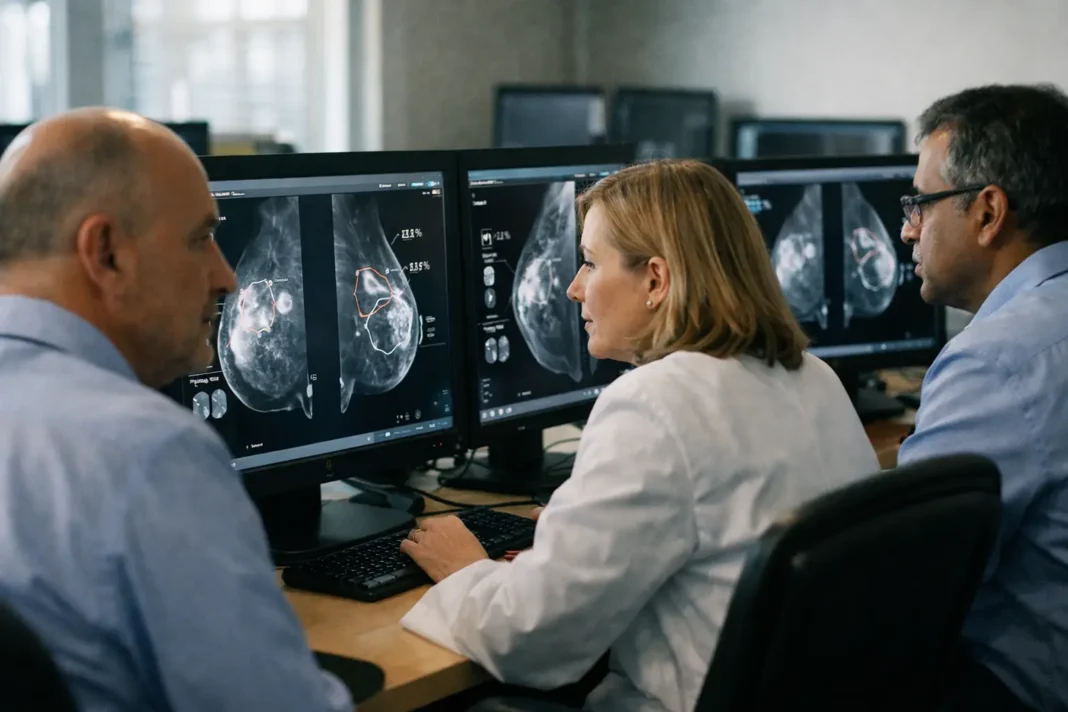

The NHS is testing whether artificial intelligence can help detect breast cancer earlier, launching what is being described as the world’s largest trial of the technology in breast screening. The initiative will assess AI tools in the reading of mammograms, the X-ray images used to look for early signs of disease before symptoms appear. Researchers will examine whether the systems can support existing screening processes while maintaining the safety and accuracy expected in a national programme.
The trial comes as health services face sustained pressure on diagnostic capacity, particularly in specialist radiology. Breast screening depends on expert image interpretation, and any technology introduced into that pathway must be tested carefully before it can influence routine care. The objective is not simply to speed up analysis, but to establish whether AI can identify concerning patterns reliably enough to assist clinicians and help prioritise cases that require close attention.
NHS breast screening is already one of the most structured cancer detection programmes in the UK, aimed at finding tumours at an earlier stage when treatment may be more effective. Information for patients is available through the NHS. The new trial will provide evidence on whether AI can add value within that framework, particularly by supporting image review and potentially reducing delays caused by shortages of trained readers.
Artificial intelligence is increasingly being evaluated across healthcare, but cancer screening presents a high bar for adoption. A useful system must minimise missed cancers while also avoiding unnecessary recalls, anxiety and follow-up tests. The trial therefore matters beyond a single technology: it will help determine how automated tools should be assessed in public health programmes, where benefits must be measured against clinical risk, workforce impact and patient confidence.
Results from the research will be closely watched by clinicians, policymakers and screening services internationally. If AI proves accurate and safe in this setting, it could become an important support for radiology teams within the UK health system. Until evidence from the trial is evaluated, however, its role remains experimental, with clinical judgement and established NHS screening standards continuing to guide patient care.