
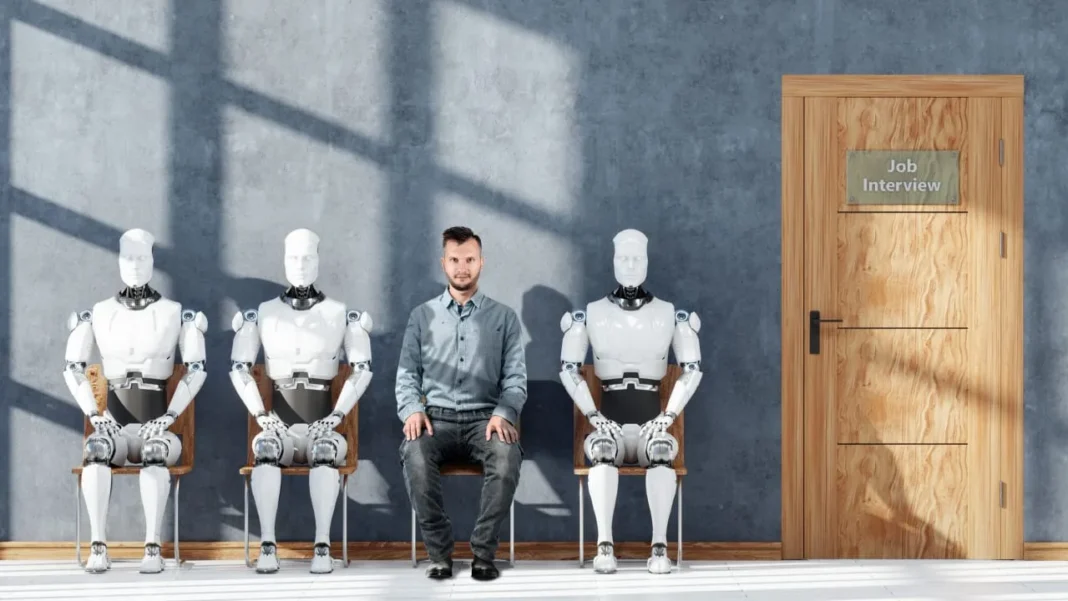

The COVID-19 pandemic, unprecedented growth, a global economic crisis, and the emerging AI revolution – in less than a decade, the hi-tech industry has reinvented itself. Therefore, especially after the current conflict comes to an end, there will no longer be a place for the traditional recruitment processes that have been used until now.
A CEO, founder, or investor in a technology company who were to go back to the beginning of the current decade would struggle to believe this is what their company looked like just six years ago. Hi-tech has always been characterized by a rapid pace of change, but the past decade has redefined the very meaning of speed. Fears of an economic crisis during COVID quickly turned into record-breaking peaks for the industry and the rise of unicorns – until their valuations dropped sharply during the economic downturn. Almost simultaneously, AI began entering companies, and the rest, as most of us are experiencing these days, is history.
All of this has given rise to a different kind of company: companies that reach almost unimaginable valuations within months, others that do not need to raise capital for their product at all, and others that reinvent themselves because their product or service has become irrelevant. This is also why almost no start-up or company that survived the changes since the beginning of the decade resembles what it looked like in 2020.
Precision is more critical than ever
These processes are also deeply reflected in the workforce. The number of employees in a significant portion of companies has decreased substantially in recent years, due to waves of layoffs, fundamental changes in work processes following the adoption of AI tools, and a shift toward leaner and more efficient operating models.
However, headcount tells only part of the story. There is no doubt that in recent years the labor market has clearly shifted in favor of employers, yet there is still intense competition for talent in hi-tech, and it is becoming even more fierce. Roles such as product managers, data scientists, cybersecurity professionals, and other positions requiring real AI experience and background are receiving unprecedented compensation packages, even by hi-tech standards. The reason is simple: these are the employee’s companies truly need in the coming years, and they are the ones who will lead the next leap forward in the hi-tech industry. In fact, the “day after” the current conflict we are experiencing will only sharpen these processes. This trend requires highly precise recruitment processes – down to the level of specific skills and capabilities.
A market failure that could come at a high cost
At the same time, this is exactly where a significant market failure comes into play – one that requires not just an upgrade, but a complete rebuild of the entire system: recruitment processes. Many technology companies still recruit using very outdated methods, with long processes and complex bureaucracy that cause potential candidates to rush toward competitors.
Seemingly, the easiest thing to do is to blame the recruiters, but in reality, this is a systemic and far more complex phenomenon. Recruitment teams – whether in-house or external – are the ones who feel the market through the candidates and understand the market sentiment before anyone else. However, a significant portion of their time is spent on endless candidate screening (which is sometimes still done manually), cumbersome transitions between systems that take a long time, and lengthy processes involving interviews, assignments, and other company assessments.
This is a situation that cannot continue, because no one has the privilege of compromising on this. Recruitment gaps – especially in a period where hiring is done carefully but strategically – mean delays in operations and an advantage for competitors who are already close behind. In such a scenario, it is time for the entire recruitment industry to learn how to integrate artificial intelligence – not just through “simple” bots that screen resumes, but through work processes that focus on substance rather than technical tools. This is how the gaps can be closed and progress ensured. Otherwise, there simply won’t be anything to work with – in every sense of the phrase.
The writer is the CEO of Hrmony.ai
Source:
www.jpost.com




