

Decades of caution ignored five years after the chaotic withdrawal from Kabul, the international record on open‑ended military interventions offers a stark reference point. The NATO-backed 2001 invasion that followed the 11 September attacks resulted in more than 2,400 US and some 450 British service personnel killed and tens of thousands of civilian deaths; al-Qaida was disrupted, but the Taliban regained power in 2021 and Afghanistan became widely cited as an example of failed nation‑building and a so‑called ‘forever war’.
That history established a clear set of practical lessons: interventions require just cause, defined and achievable aims, robust exit plans and realistic assessments of long‑term consequences. Those lessons were reiterated after the 2003 invasion of Iraq, which ended in a 2011 withdrawal following years of conflict that produced substantial human and institutional damage and limited strategic gains.
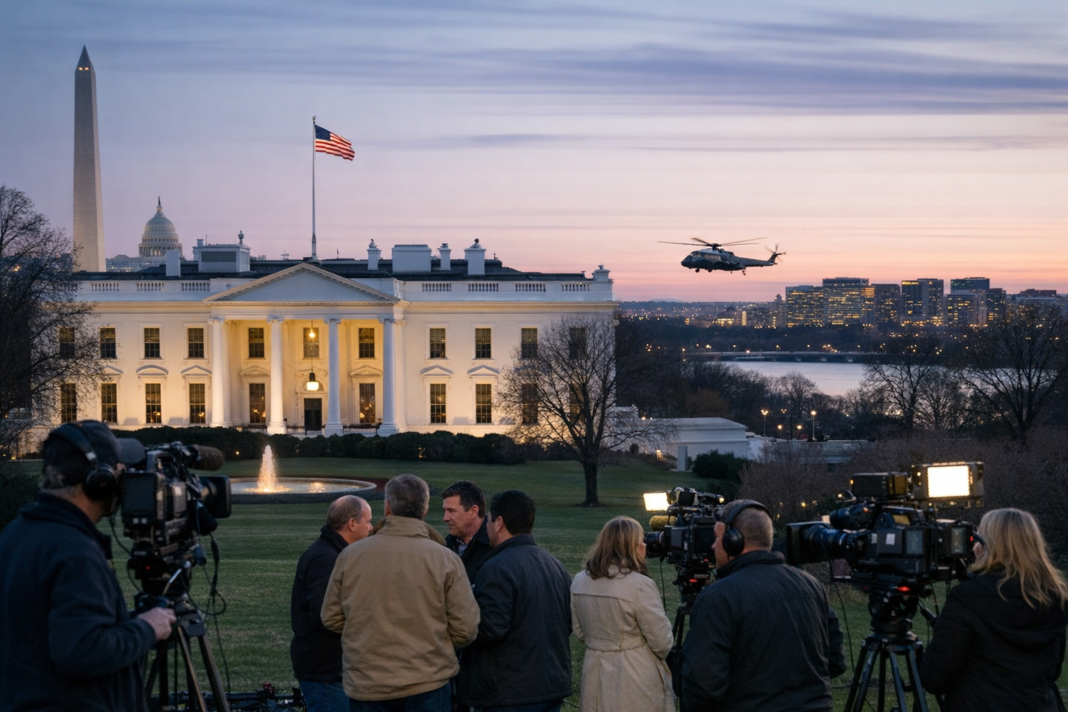
Against that backdrop, the decision by Donald Trump to authorise strikes against Iran has taken on renewed significance. What was described by the president as a ‘little excursion’ has continued into a sixth month and has been reported to escalate rapidly, prompting concern among regional partners and heightened diplomatic tensions. The campaign’s open‑ended character and the absence of a publicly articulated, measurable end state echo earlier conflicts that proved costly and inconclusive.
Historical precedent suggests that continued military escalation without clear political objectives risks prolonged instability and increased human costs across the region. For policymakers in the United States and allied capitals, the empirical record from Afghanistan and Iraq underscores the importance of setting explicit goals, securing allied consensus and defining an exit strategy before further deepening military commitments.





