
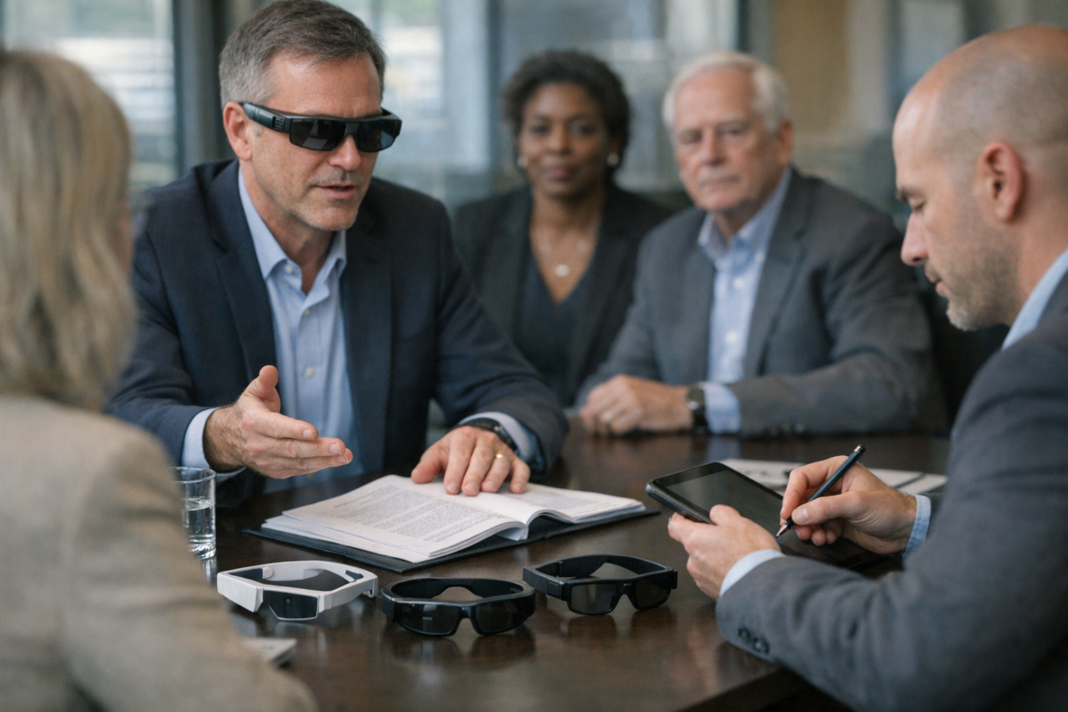

Meta’s smart glasses have reopened a debate about how new technologies fit into public life. Recent footage and media reports showing the devices being misused to record or harass people have raised fresh concerns about privacy, public safety and the limits of regulation. The problem has highlighted tensions between rapid product deployment and the slower pace of legal and technical safeguards.
Built in collaboration with Ray-Ban and Meta, the spectacles combine conventional eyewear with camera hardware and online services, a design that has attracted attention from consumers and critics alike. Coverage of software patches and firmware updates meant to curb misuse has underlined the practical challenges of securing devices after they reach the market. The episode has prompted broader conversations about the responsibilities of manufacturers and the role of product design in preventing harm in public spaces related to technology and privacy.
Legal responses face obstacles: many statutes governing recording, voyeurism and harassment were written before compact, internet-connected cameras became commonplace. That gap does not mean law is irrelevant, but it does mean enforcement, evidence-gathering and judicial interpretation must adapt to new modes of capture and distribution. Policymakers and courts will need to consider how existing frameworks apply to wearables while technical remedies evolve.
Beyond statutes and standards, public reaction is shaping outcomes. Commentators and some civic actors suggest that social disapproval — from public censure to marketplace choices — can influence how widely such devices are adopted and how responsibly they are used. The episode underscores a wider lesson for regulators, designers and users: integrating privacy and safety into product lifecycles, improving transparency about capabilities and limits, and fostering social norms that protect vulnerable people will determine whether wearable cameras supplement public life constructively or erode it.



