
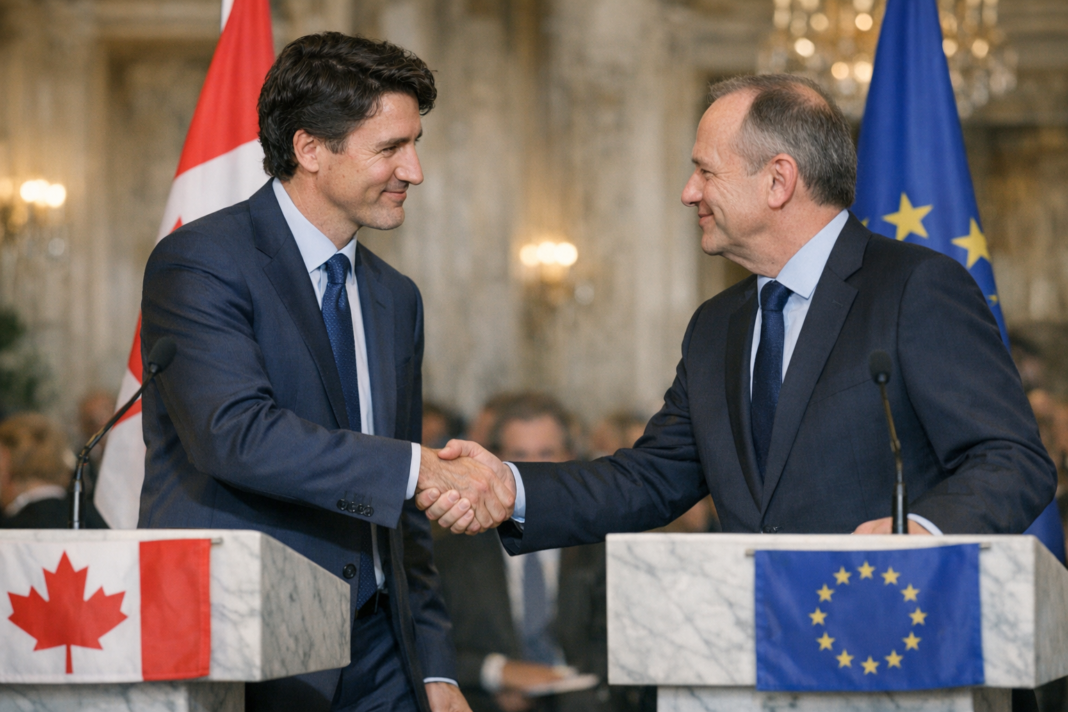

Symbolic EU outreach framed the latest State of the Union in Brussels, where the presence of Mark Carney was billed as a sign of closer ties between the bloc and Canada. The event produced applause and an unprecedented offer of an “associate member” label, a political flourish that has no clear counterpart in the EU’s foundational treaties. The appearance underlined goodwill, but it did not alter formal decision‑making structures or legal pathways within the Union.
The gesture was orchestrated from the top of EU institutions, with Ursula von der Leyen and other leaders emphasising shared values and cooperation. The presentation of an ad hoc status highlights the limits of symbolic diplomacy: membership, voting rights and legal commitments are governed by treaties and unanimity rules, so any meaningful integration would require lengthy negotiation and ratification. For Brussels, such invitations can deepen diplomatic partnership without committing to immediate institutional change.
Diplomatically, the episode serves several purposes. It signals a desire to strengthen transatlantic links beyond NATO frameworks and to showcase common policy priorities, from trade to climate. At the same time, it offers a morale boost to audiences receptive to international solidarity. Yet these softer gains do not substitute for concrete policy tools — common procurement, interoperable defence capabilities or shared operational planning — that underpin collective security. Those tools rest on long‑term investment and political consensus among member states.
Ultimately, the event underlined a gap between symbolism and substance. Welcoming a prominent Canadian figure to a flagship EU address reassures partners and domestic audiences alike, but it does little to resolve structural shortfalls in defence capacity and crisis response across Europe. If the aim is to strengthen deterrence and resilience, leaders will need sustained budgetary commitments, multinational programmes and clearer institutional arrangements rather than one‑off political gestures. The applause in the chamber may fade; the harder work of security reform will not.






