
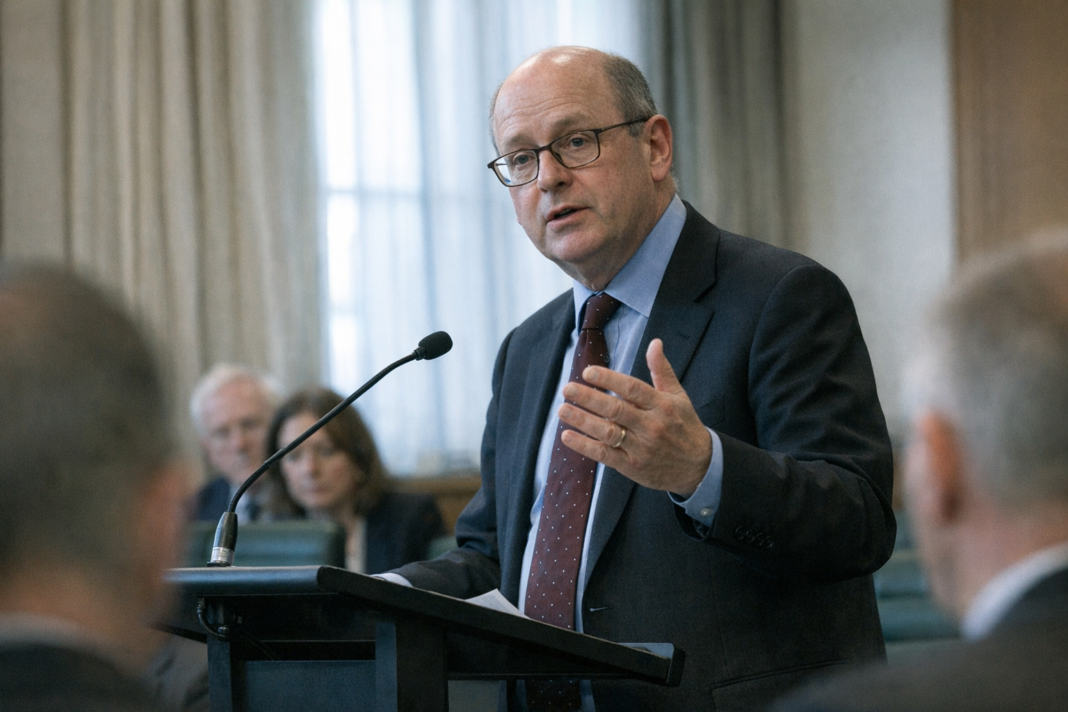

Decades may be needed to design and roll out an NHS-style system for adult social care, Sir Andrew Dilnot has warned. The economist, who first set out proposals for reform 15 years ago, said the financial implications of such a scheme would be “very substantial”. His remarks underline the scale of the fiscal and organisational challenge facing any government that seeks to create a health-style universal model for care services.
Experts and policymakers point to several interlocking obstacles. Establishing entitlement rules, securing sustained funding and aligning responsibilities across health providers and local services would require extensive legislative and administrative work. Observers note that integrating social care with the existing NHS framework would be particularly complex, given the differences in commissioning, workforce arrangements and funding streams. The debate has continued to centre on how to balance universal coverage with fiscal realism.
The prospect of a protracted timetable has implications for public expectations and political strategy. A transition measured in decades would demand long-term commitments from successive administrations and clear mechanisms to protect budgets over electoral cycles. It would also shape discussions about interim measures, including targeted support for those with the greatest need and reforms to existing means-tested arrangements. The challenge of communicating trade-offs to the electorate will remain a practical obstacle for any reform programme.
Sir Andrew’s reminder that his original proposals date back 15 years highlights the persistence of the issue within public policy. While the attraction of an NHS-style model lies in universality and predictability, the acknowledged scale of cost and organisational change helps explain why a swift shift remains unlikely. The conversation about the future of social care therefore continues to focus on sequencing, funding options and the institutional adjustments required to make large-scale reform feasible over the long term.






