
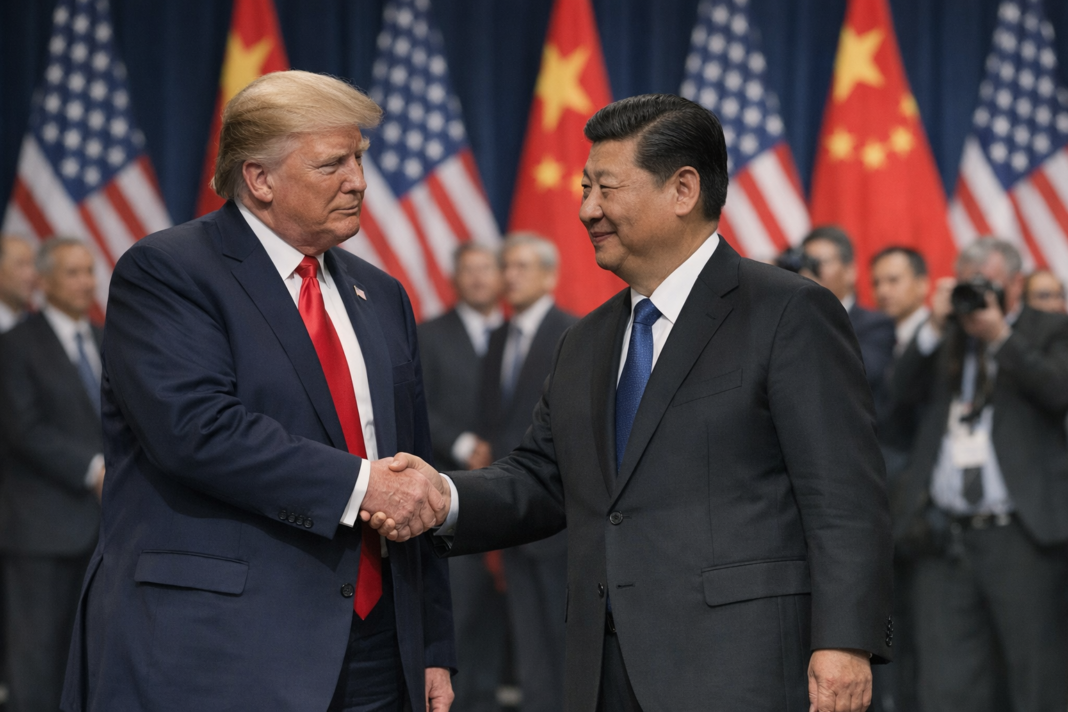

Vanity overshadowed substance. The recent summit between Donald Trump and Xi Jinping unfolded as a tightly staged encounter where public gestures and ceremonial moments dominated much of the coverage. The event brought the leaders together for visible photo opportunities and elaborate protocol, while observers noted that media attention gravitated toward symbolism rather than detailed policy announcements.
The meeting took place against the backdrop of longstanding tensions between the United States and the China, with both capitals maintaining competing strategic priorities. During the public portions of the summit, Donald Trump offered effusive praise for his counterpart, and the pair emphasized cordial exchanges. Statements issued after the meeting highlighted a shared interest in managing bilateral relations, though they did not present extensive new commitments or comprehensive agreements on core disputes.
Analysts and stakeholders routinely point to a set of recurring issues that shape the bilateral agenda—trade, technology, security in regional hotspots and climate cooperation among them—and these topics framed much of the private and preparatory discussions. The summit provided a platform for high-level contact, but the absence of detailed deliverables means that policymakers and businesses will continue to monitor follow-up steps and technical negotiations to assess whether any substantive shifts have been initiated.
The diplomatic choreography also carries domestic implications. For leaders in both countries, public displays of rapport can be intended to signal control, stability or strategic restraint to national audiences. At the same time, foreign-policy specialists will watch whether ceremonial goodwill translates into measurable progress on tariffs, export controls, diplomatic deconfliction or other tangible measures that affect markets and regional security.
In the weeks ahead, attention will focus on whether working-level teams convert ceremonial accords into concrete actions and whether the summit’s optics have altered the trajectory of longer-term competition and cooperation between the two powers. The event underscored how modern diplomacy often blends theatre and negotiation, leaving the substantive appraisal of outcomes to subsequent reporting and the technical work that follows high-level meetings.





