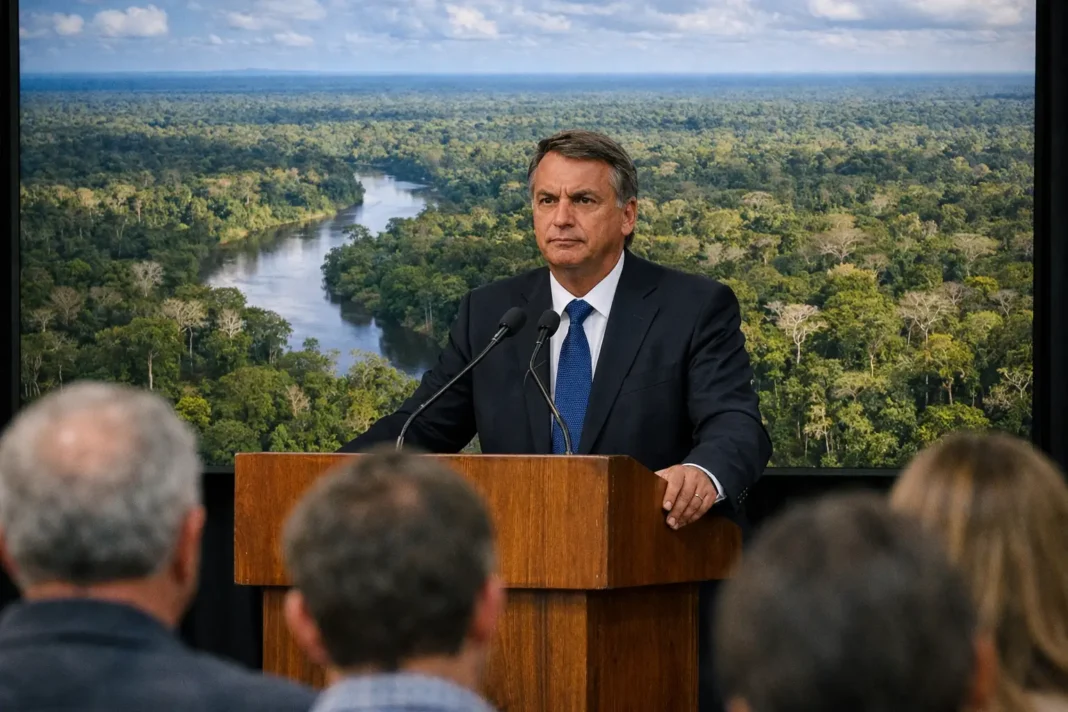

Record decline in deforestation in the Amazon has emerged in official figures, offering a striking environmental development as Brazil approaches a high-stakes national election. The Amazon rainforest, a major carbon sink and biodiversity reservoir, remains central to global climate efforts, and the recent downturn in tree clearing marks a notable reversal after years of intensifying loss.
The downward shift follows a period when clearing rates expanded under the administration of former president Jair Bolsonaro, a trend that drew international concern and domestic debate. Analysts note that changes in enforcement, market reactions and shifts in policy emphasis have contributed to the turnaround, while satellite monitoring and judicial actions have helped make ongoing forest loss more visible to authorities and buyers.
The timing of the decline has immediate political implications. Environmental performance is expected to feature prominently in campaign conversations, influencing how candidates frame commitments on land use, indigenous rights and trade ties. International partners and private investors who monitor commodity supply chains are also likely to use the new data when assessing Brazil’s environmental risk profile, with potential consequences for trade and finance.
For climate scientists and conservationists the reduction in deforestation — if sustained — could lessen near-term carbon emissions from land use change, but experts caution that permanence will depend on follow-through from law enforcement, land management and economic incentives. Indigenous communities and local populations, who bear the direct impacts of clearing, will be key observers of whether the trend endures beyond the electoral cycle. In the coming months, continuation or reversal of the decline will provide a clearer measure of how policy choices and market pressures translate into on-the-ground outcomes for the Amazon and for Brazil’s role in global climate efforts.