
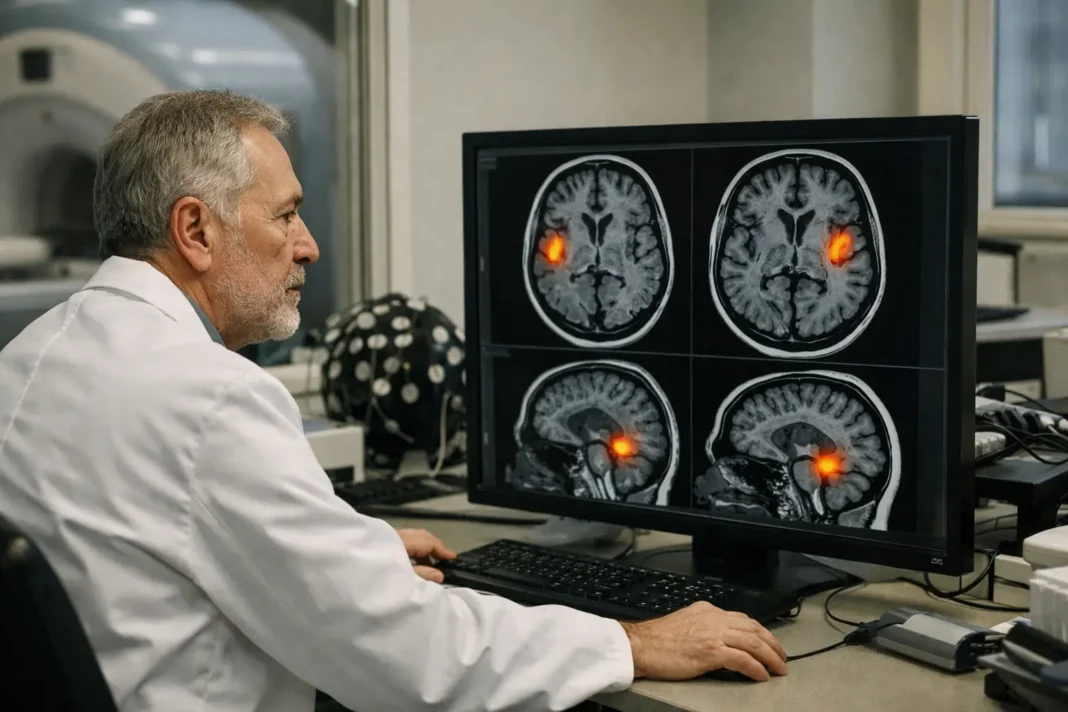

Early brain changes may offer a new window into Alzheimer’s disease long before the first signs of memory loss become apparent. Scientists at Johns Hopkins have identified subtle alterations in two brain regions linked to memory and emotion that can emerge up to a decade before symptoms usually associated with the disease. The findings point to a possible shift in how clinicians and researchers look for the earliest biological traces of Alzheimer’s.
The study focused on brain scans showing that these two areas appear to shrink before the hippocampus, the region most commonly examined when doctors assess suspected Alzheimer’s-related decline. The hippocampus has long been central to the clinical understanding of memory impairment, but the new work suggests that other parts of the brain may carry warning signs earlier in the disease process. That matters because the period before symptoms develop is increasingly viewed as critical for identifying people at higher risk.
The changes observed by the researchers were associated with abnormal accumulation of tau, a protein closely connected with Alzheimer’s pathology. Tau buildup is one of the biological features doctors and scientists monitor when evaluating the progression of the condition. Linking early shrinkage in specific brain regions to tau activity strengthens the case for using advanced brain imaging to detect risk before cognitive decline is visible in everyday life. The findings do not establish a standalone diagnostic test, but they add to the evidence that Alzheimer’s begins well before memory problems are noticed by patients or families.
Earlier recognition of biological risk could carry practical importance for neuroscience, medical research and future care planning. If the pattern is confirmed through further work, it could help researchers select participants for prevention studies or monitor people who may benefit from closer clinical attention. For patients, the prospect of earlier detection also raises the need for careful interpretation, because changes in the brain do not automatically mean that dementia will develop. The value of the research lies in refining the timeline of Alzheimer’s and improving understanding of where the disease may first leave measurable marks.
Alzheimer’s research has increasingly moved toward the phase before symptoms, when treatments and interventions may have the greatest chance of altering the course of disease. The Johns Hopkins findings contribute to that effort by suggesting that the search for early signals should extend beyond the hippocampus. By identifying brain regions affected years before memory loss, the study offers a clearer picture of the silent stages of Alzheimer’s and the biological changes that may precede them.







