
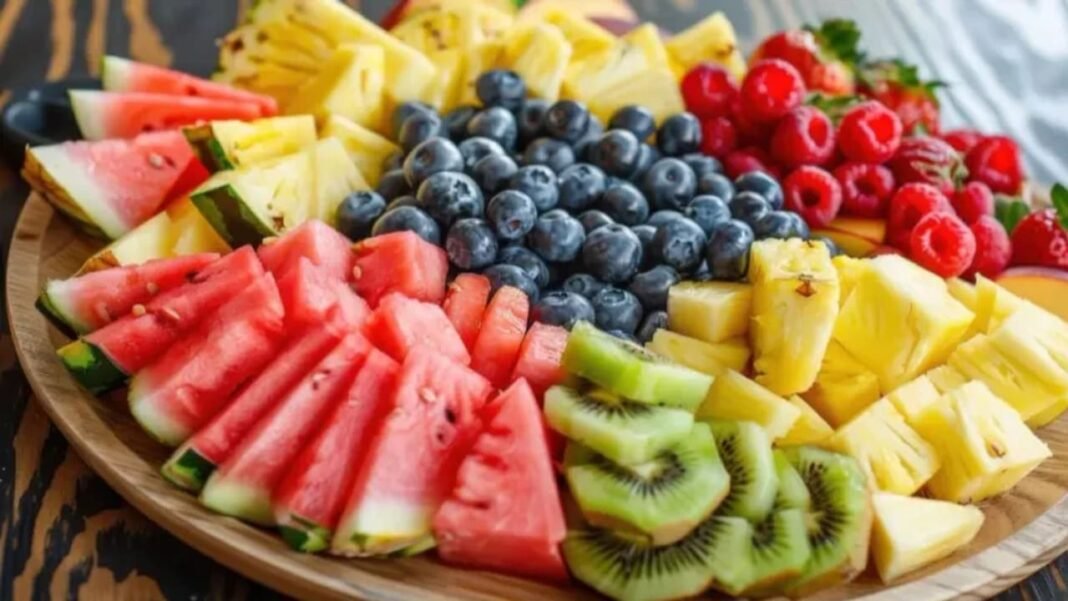

The colors are not only beautiful, they indicate the nutritional value and the antioxidants they contain. Therefore, in addition to the recommendation to increase the consumption of vegetables and fruits, it is recommended to diversify and consume vegetables and fruits from all five color groups: Red, orange, green, white and purple. This is important because ultimately in every vegetable and fruit the antioxidants are actually different defense systems that help us fight unwanted substances that penetrate the body, and harmful processes, and each color is a different antioxidant that is required for health.
Red – Lycopene: An antioxidant that is important for eye health, reduces cataracts and the risk of cancer (especially prostate cancer). It is found in large amounts in everything that is red of course – and in first place in tomatoes, and is more available to the body after cooking (for example in tomato paste). Additional foods – watermelon, red grapefruit and pink guava.
Orange and yellow – Carotenoids: These antioxidants are a source of vitamin A in the body, which is important for improving vision, skin health, immune system function (against viruses), and prevents cancer. Found in orange and yellow vegetables and fruits, in first place – carrot. Available to the body also after heating, such as orange soup or cooked carrot. Additional foods – sweet potato, apricot, mango, persimmon, peach.
Green – Chlorophyll and lutein: These are important against heart diseases, renewal of body cells, protection of the eyes (especially light-colored eyes), have anti-inflammatory activity. In first place these foods: Spinach, broccoli. But every green vegetable – excellent and recommended. In addition to the green pigment chlorophyll, greens also contain lutein. Lutein is found in green leafy vegetables such as lettuce and spinach and has a role in maintaining normal vision. Leafy vegetables and fruits such as avocado are also rich in folate that contributes to disease prevention, as well as vitamin K, potassium and magnesium that contribute to bone strength.
White: Yes yes in vegetables and fruits this is also a color that is considered an antioxidant, which reduces diabetes, reduces cancer, improves blood flow, contributes to reducing heart diseases. In first place – onion, garlic. The prominent phytochemicals in the group are sulfur compounds, such as allicin, that fight bacteria, inflammation and a variety of diseases. The white color group also includes cauliflower, celery root as well as potato and banana that are rich in potassium and contribute to preventing high blood pressure.
Purple – Anthocyanins: Purple is actually a group of very strong antioxidants called anthocyanins that act against heart diseases, protect the brain, preserve the walls of blood vessels, reduce inflammation and allergies. In first place – purple cabbage, berries, eggplant, beet. Also in purple onion, purple plum, purple grapes, purple fig and more. Anthocyanins also contribute to slowing down aging processes, especially brain aging.

What are the recommendations? To combine every color literally every day in our diet! Not to make do with tomato and carrot, but also to add greens, whites, purples… a colorful salad, vegetables in the oven… everything goes! And you can also add them to less healthy carbohydrates (such as white rice) to upgrade their nutritional value.
The recommendations speak of one vegetable or fruit from each color per day, but I personally believe it should be much more than that. Vegetables are the basis for long satiety, stomach fullness, reduce the consumption of unhealthy snacks, help our digestive system, reduce diabetes and cancer.
Due to all this it seems to me that 5 vegetables per day is really very little. Try to combine 2 vegetables in every snack, and a large salad in the main meals, you will see how it will help you with satiety and improving health without a menu or other effort.
For the course of Dr. Maya Rosman: How to improve health and how to lose weight in a sane and logical way, click here
For the newsletter of Dr. Maya Rosman, articles in nutrition and health, advice and tips for improving health, and nice recipes, free of charge, click here
Source:
www.jpost.com



