
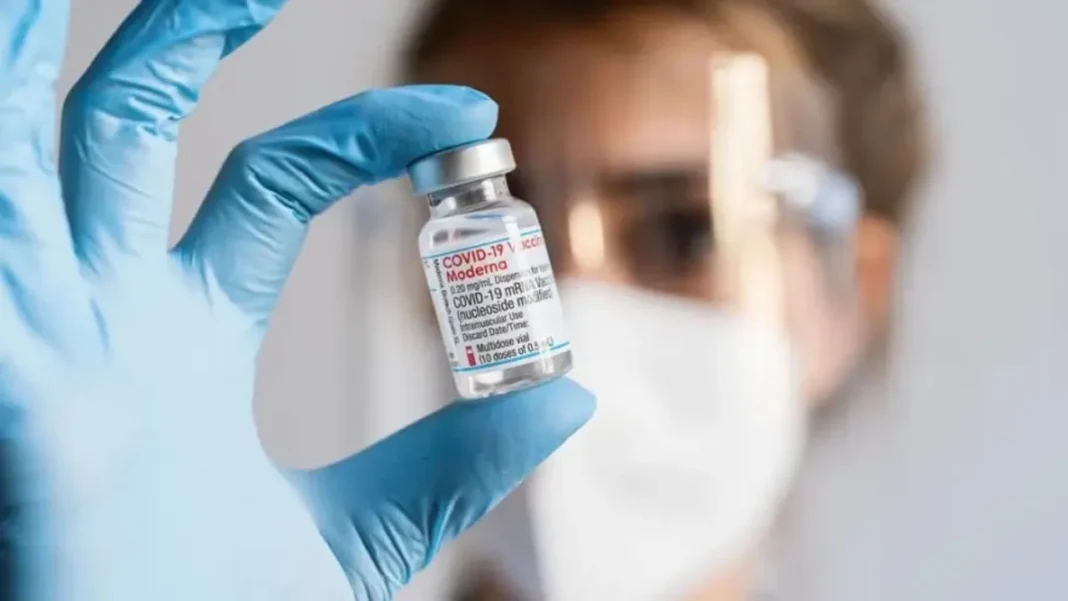

Vaccines are not only for children who are just being exposed to pathogens in the air that may harm them – adults need them too, both to maintain their health and to prevent the spread of serious diseases. There are also vaccines specifically intended for older populations, for example those that protect against the RSV virus and shingles.
When the COVID-19 vaccines were first distributed to the public, many people stood in line to be the first to receive them. Now, vaccination rates are at an all-time low, even though the health world continues to develop a new and updated version of the vaccine each year.
Hesitancy toward vaccines is not limited to COVID-19. More and more people are choosing not to vaccinate themselves or their children against flu, measles and other diseases, because they believe the vaccines are not safe. However, all vaccines undergo rigorous testing before they receive licensing and distribution approval, alongside ongoing monitoring even after all approvals have been granted.
Flu vaccine and COVID-19 vaccine – vaccines given annually, according to the prevalent virus strains.
DTaP vaccine – a vaccine against diphtheria, tetanus and pertussis, given to adults as a booster dose once every 10 years.
HPV vaccine (papilloma) – a vaccine that protects against 9 strains of the papilloma virus, which may cause various types of cancer in the female and also male reproductive system. The vaccine is given to boys and girls from age 9 to 26 in 3 doses, but it can also be administered after this age.
Shingles vaccine – a two-dose vaccine for adults aged 50 or older, or for younger individuals aged 18 or older who are at risk of developing the disease. Those who have previously had shingles can also be vaccinated.
Pneumonia vaccine for adults – a vaccine against the 20 most common pneumococcal strains that cause infections, usually given in one or two doses to adults aged 50 or older.
RSV vaccine – a bronchiolitis vaccine given in a single dose and recommended for adults aged 75 or older, and also recommended for adults aged 60 or older who suffer from various chronic diseases or from moderate to severe immunosuppression.
There are people who think that building natural immunity after infection is preferable to vaccination, but natural immunity is unpredictable, and the price the disease takes from the body can be very high. In Israel, dozens of cases of measles infection and even deaths from measles are still reported each year, a disease that can be prevented by vaccination – and one that was declared eradicated decades ago. Vaccines may not offer perfect protection, but there is no doubt that vaccination is far safer than contracting the disease the vaccine is intended to prevent.
Vaccination is especially important for older patients because they are more sensitive to severe diseases and death from infections. Conditions such as shingles can lead to persistent symptoms even after the initial illness passes. In addition to concerns about the cost or safety of vaccines, older patients may also face challenges such as mobility issues that make it difficult for them to visit a doctor. Anyone who is unsure about vaccination – it is recommended that they speak with their doctor about their concerns.
Source:
www.jpost.com




