
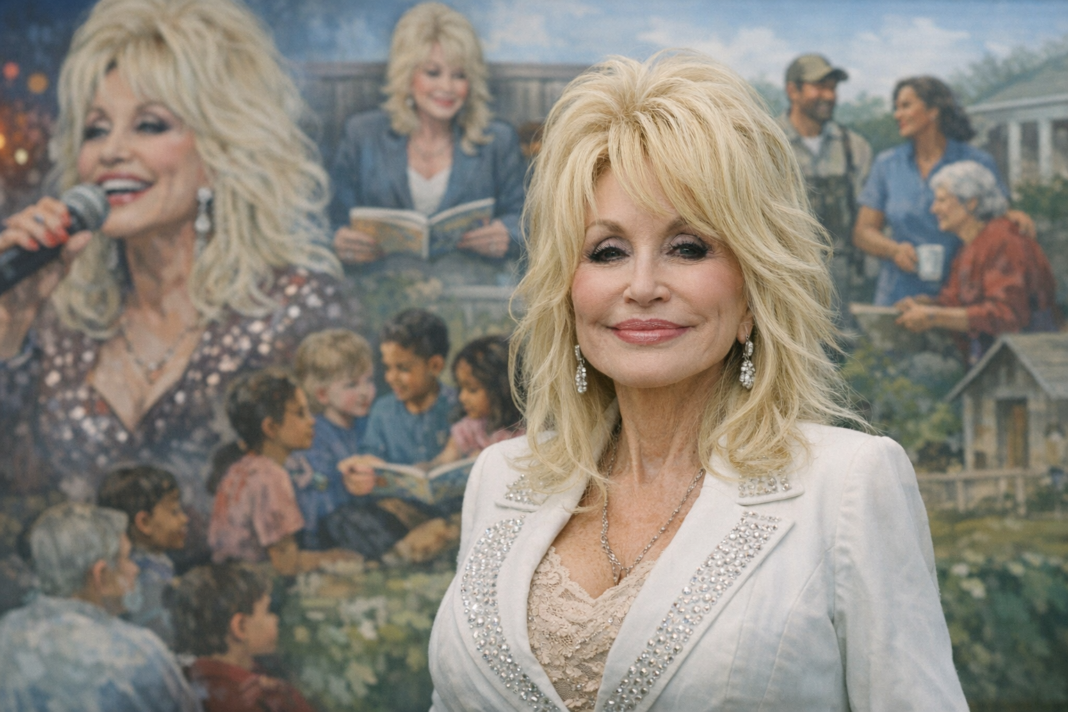

Dolly Parton’s passing has prompted an unusually broad public response, drawing tributes from fans, artists and figures across the political spectrum. The country singer-songwriter’s catalogue — from “9 to 5” to “Coat of Many Colors” and “Here You Come Again” — has been invoked as soundtrack and solace, while her stage persona, business projects and charitable work have secured her a place in multiple cultural registers.
Her career combined songwriting and performance with ventures beyond music: theme park ownership and a long-running literacy programme are among the enterprises that extended her public profile beyond the recording studio. That cross-sector visibility helped make her a household name among both long-time country listeners and mainstream pop audiences. Prominent personalities from diverse fields spoke of admiration in the hours after her death, underscoring how her appeal cut across expected boundaries.
Parton’s relationship with LGBTQ communities was a defining element of her public identity. Her blend of theatricality, storytelling and warmth resonated with many gay and queer fans, who adopted her as an emblem of resilience and affection. For decades she has been celebrated at concerts, clubs and cultural events for offering a combination of camp, candour and empathy that few mainstream performers matched, reinforcing her status as a visible gay icon.
The immediate reaction to her death has highlighted two of her lasting effects: the musical influence she exerted on succeeding generations of performers, and the institutions she built that continue to touch everyday life. Her songs remain in active circulation, and her philanthropic work persists as a tangible legacy. As attention turns from mourning to appraisal, observers are likely to focus on how a single entertainer managed to sustain relevance across age, class and politics while leaving concrete cultural and civic footprints.






