
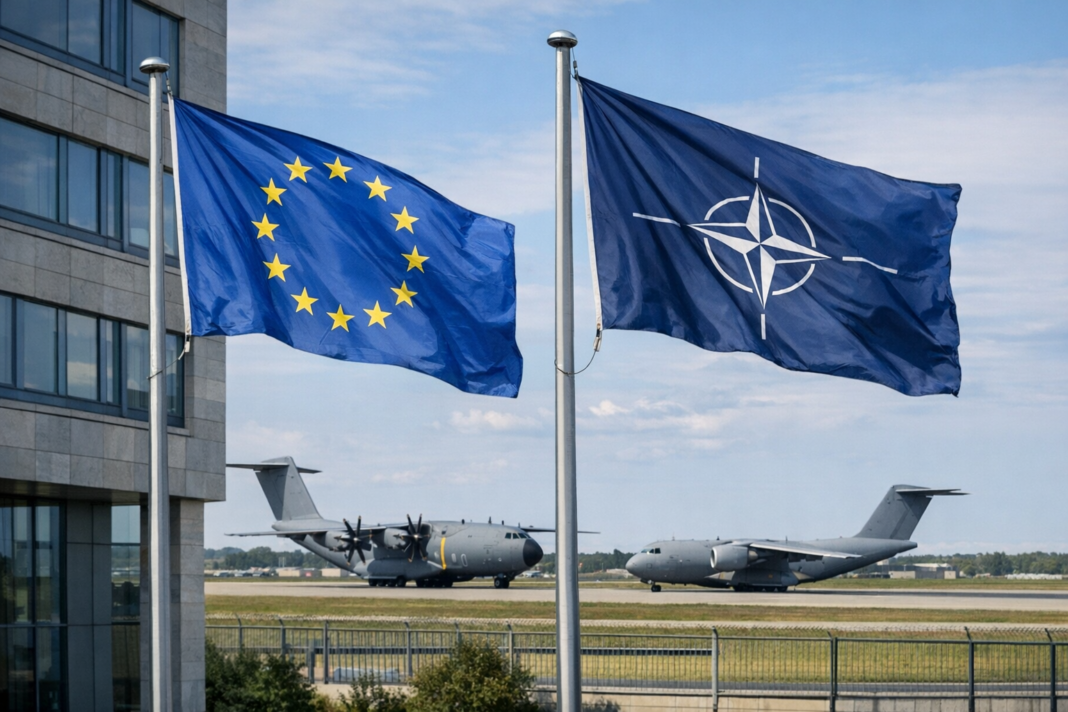

Europe must prepare to deter and, if necessary, defend against a range of threats emanating from Russia, even as the transatlantic security landscape evolves. Recent incidents — including cyber operations, political interference and a warship live-fire exercise reported 45 miles off the UK coast — have reinforced the view among officials that confrontation could escalate beyond current crises. Governments across the continent have responded by raising defence budgets and accelerating capability programmes, particularly in states closest to potential theatres of conflict.
The United States remains a central pillar of collective security through NATO, but debate over burden-sharing and political will in Washington has prompted discussion of a more Europe-centred approach to defence. Commentators and policymakers, including Nathalie Tocci, have argued that even a Europe-focused NATO construct would likely still involve substantial US influence, underscoring the need for an independent European contingency, or “insurance policy,” to manage scenarios where US engagement is limited.
Developing that insurance policy requires measurable, practical steps already reflected in European decision-making. The European Union‘s industrial tools — notably PESCO (Permanent Structured Cooperation) and the European Defence Fund — aim to harmonise procurement and sustain shared research and production. Planners emphasise the importance of autonomous command-and-control arrangements, strategic air and sealift, robust munitions stockpiles, integrated air and missile defence, hardened cyber defences and secure supply chains to keep equipment operational under sustained pressure.
Security planners and defence officials stress that capabilities must be accompanied by sustained political coordination and predictable funding to be effective. Interoperability with NATO forces remains a priority, even as Europe expands its independent options. The emerging approach is pragmatic: strengthen European operational autonomy while preserving transatlantic ties, ensuring that governments have both collective and independent means to deter aggression and protect citizens in an uncertain strategic environment.







