
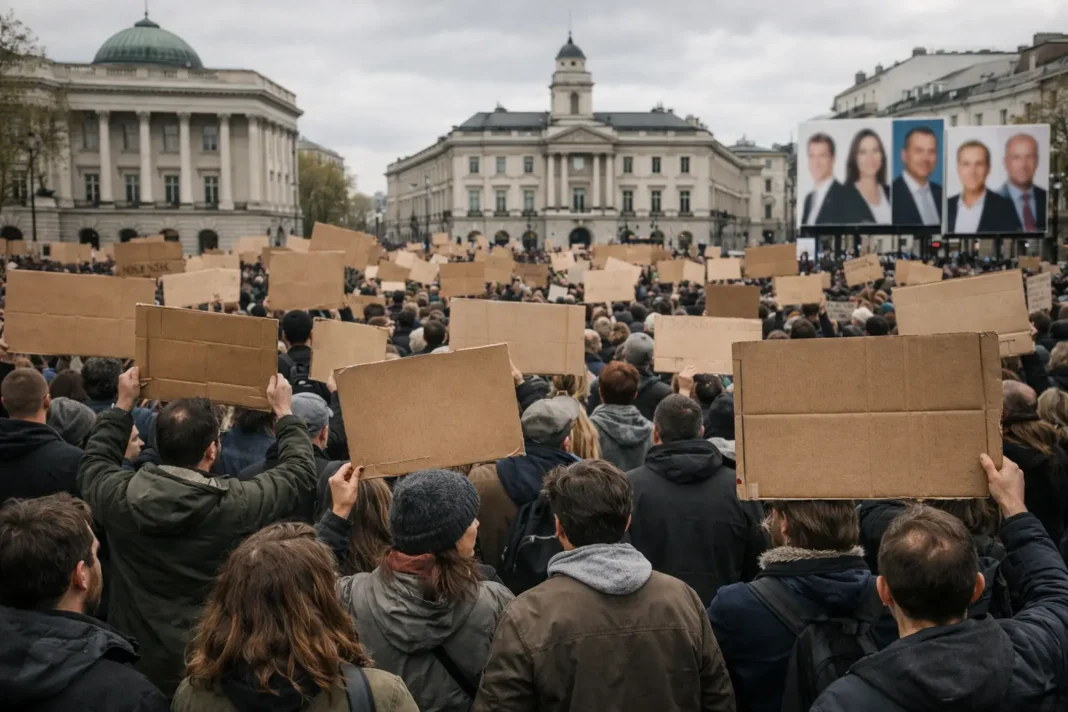

Across Europe, public anger is moving from sporadic protest to a broader political test for national governments. Demonstrations in Paris, Milan and Madrid point to a shared frustration with the distance between citizens’ expectations and what public authorities are seen to deliver. The grievances vary by country, but they cluster around familiar pressures: unaffordable housing, stagnant pay, rising living costs and concerns over public services, including schools.
The unrest is taking shape at a sensitive moment for Europe’s political calendar. Spain is due to vote next month in a snap election triggered after parliament rejected central housing reforms. France will begin the process of choosing a new president in April, while Poland, Italy and several smaller states are scheduled to hold elections before the end of 2027. These contests will offer voters an immediate way to judge governments on issues that have already brought people into the streets.
The pressure also reaches beyond national capitals. The European Union is not the direct authority behind every rent bill, wage dispute or classroom shortage, yet it is often judged through the same lens as domestic institutions: whether collective politics can improve daily life. When citizens face persistent insecurity, the distinction between national responsibility and European coordination can become less visible, especially in moments of economic strain.
That creates a practical challenge for both governments and EU institutions. Cooperation across borders remains central to many policy areas, from budget rules to energy and migration, but public acceptance depends on visible results. If voters associate European politics mainly with constraints rather than improvements, anger aimed first at national leaders can broaden into scepticism toward shared decision-making. The risk is less a single constitutional rupture than a gradual weakening of consent for cooperation.
The coming electoral cycle will therefore be watched not only for changes in government, but for signs of how social discontent is being translated into political choices. Housing, wages and the cost of living have become defining tests of credibility. For Europe’s leaders, the immediate task is to show that institutions can respond to material concerns before protest becomes a lasting measure of democratic dissatisfaction.





