
Infections drive one-eighth of global cancer cases, a new analysis concludes, estimating roughly 2.3 million infection-related cancers in 2024. The research, published in The Lancet Oncology, combined cancer incidence figures from the GLOBOCAN database with published studies on pathogen prevalence in specific tumours to map the contribution of a dozen infectious agents.
The breakdown shows that four pathogens account for the vast majority of infection-linked cancers. A stomach bacterium, Helicobacter pylori, was tied to about 760,000 cases, while HPV was linked to roughly 750,000 cases across cervical, penile and oropharyngeal sites. Liver infections from hepatitis B accounted for about 360,000 cases, and Epstein-Barr virus (EBV) for approximately 260,000. Together these four agents represented about 92% of infection-driven cancers in the analysis.
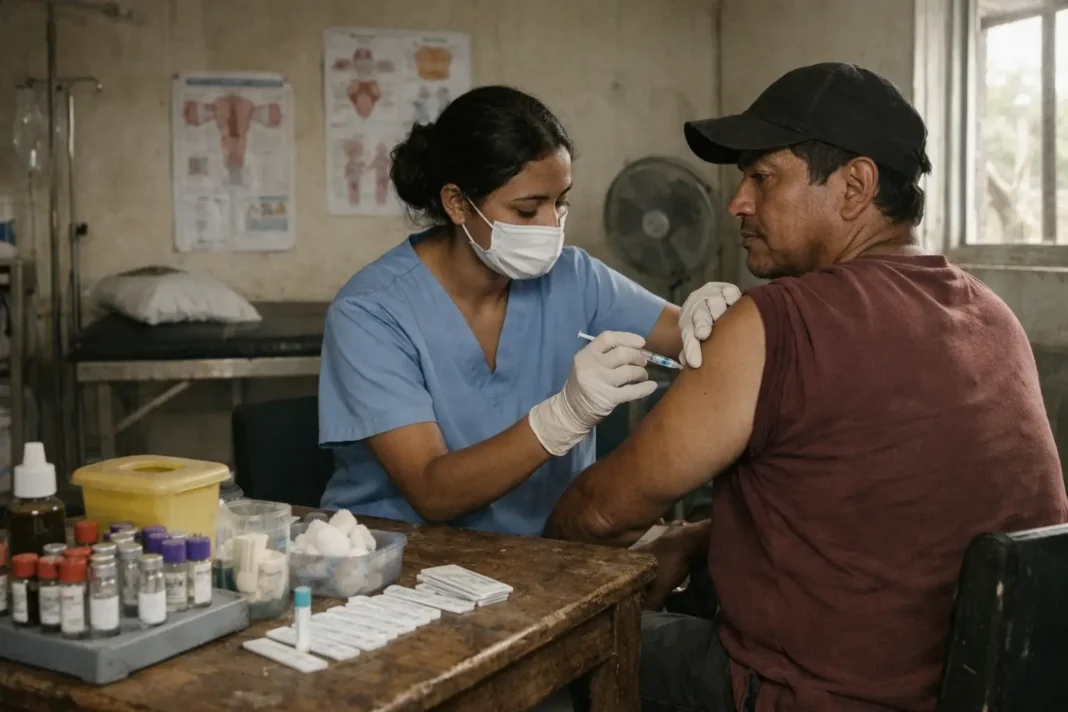
Prevention measures — notably vaccination and targeted infection control — emerge as central to reducing this burden. Global coverage of the HPV vaccine remains limited: only about 31% of eligible adolescent girls received at least one dose in 2024, well short of the 90% elimination target set by the World Health Organization. Research from high-coverage nations shows dramatic declines in HPV-related disease, and trials supporting a single-dose regimen could simplify implementation at scale, experts say. At the same time, there is an effective vaccine for hepatitis B, though recent policy shifts in the United States— including a decision by the U.S. Centers for Disease Control and Prevention on newborn dosing—have drawn concern from specialists.
The study highlights stark inequities: low- and middle-income regions shoulder about 77% of infection-related cancers, and roughly 81% of HPV-associated tumours occur in these countries. Observers stress that expanded vaccine access, wider testing and treatment for infections such as H. pylori, and investment in vaccine research for agents like EBV could substantially lower cancer incidence where the burden is greatest. Data gaps persist too, given limited registry coverage in parts of Africa and elsewhere, leaving the true toll uncertain.
Dr. Prashant Mathur, director of India’s national cancer informatics centre, and other public health authorities note that prevention often yields greater long-term returns than treatment. Strengthening vaccination programmes, scaling screening and addressing infections at population level are presented in the study as pragmatic, high-impact strategies to cut a preventable slice of the global cancer burden.