
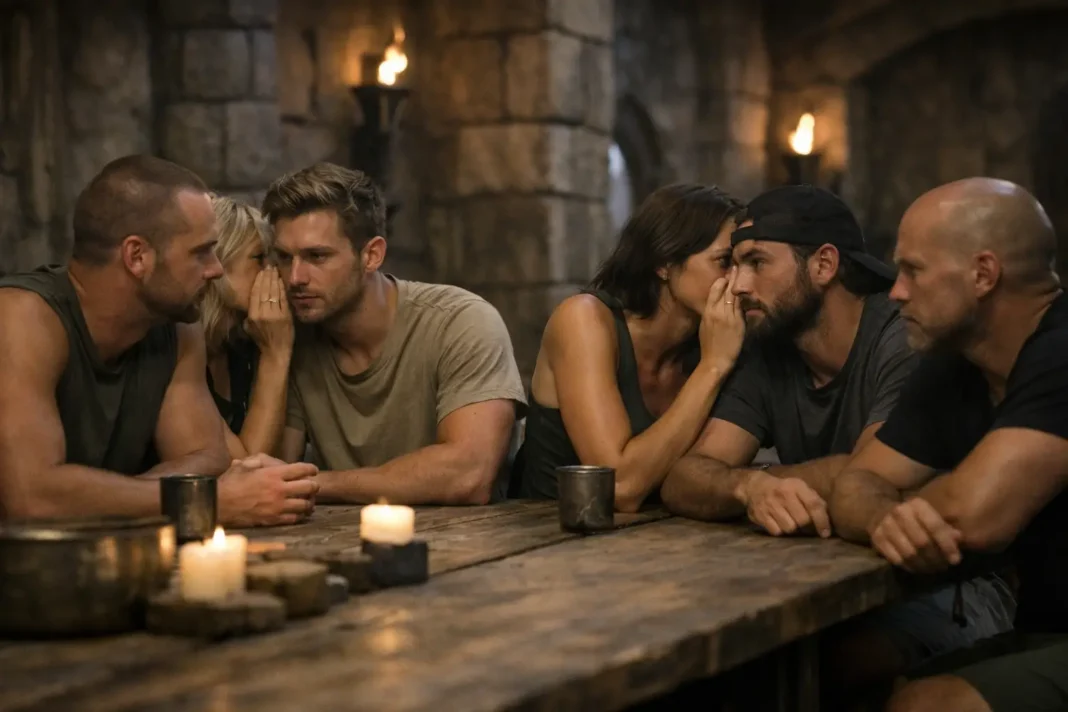

Prior professional ties among cast members of Celebrity Traitors are often visible from the first episodes and can reorganize the social map that drives the game. Shared credits, past collaborations and public friendships introduce layers of familiarity that go beyond the programme’s format: trust and suspicion arrive pre-packaged for some players, while others step into an environment where reputations precede them.
Casting choices that include connected celebrities shape how alliances form and how quickly viewers understand relationships at play. When contestants are known to have worked together, viewers and commentators can read subtleties in body language and conversation that would otherwise seem incidental. This interplay is particularly salient for audiences of reality TV, for whom off-screen histories provide a code to decode on-screen manoeuvres.
The presence of pre-existing bonds alters strategic incentives during key moments of decision-making. Players with established rapport may be afforded initial leeway from peers, while former collaborators can become targets of heightened scrutiny if loyalties are questioned. Editing and narrative structuring further highlight these patterns, making past associations central to storytelling and to the way episodes are paced and framed for viewers.
These dynamics carry practical consequences for production and reception. For producers, interlinked casts offer ready-made narratives that can accelerate engagement; for audiences, they raise expectations about authenticity and the emotional stakes of betrayals. As the format continues to attract well-known figures, the interaction between fame, prior relationships and the mechanics of social deduction will remain a defining element of how the show is experienced and discussed.






