
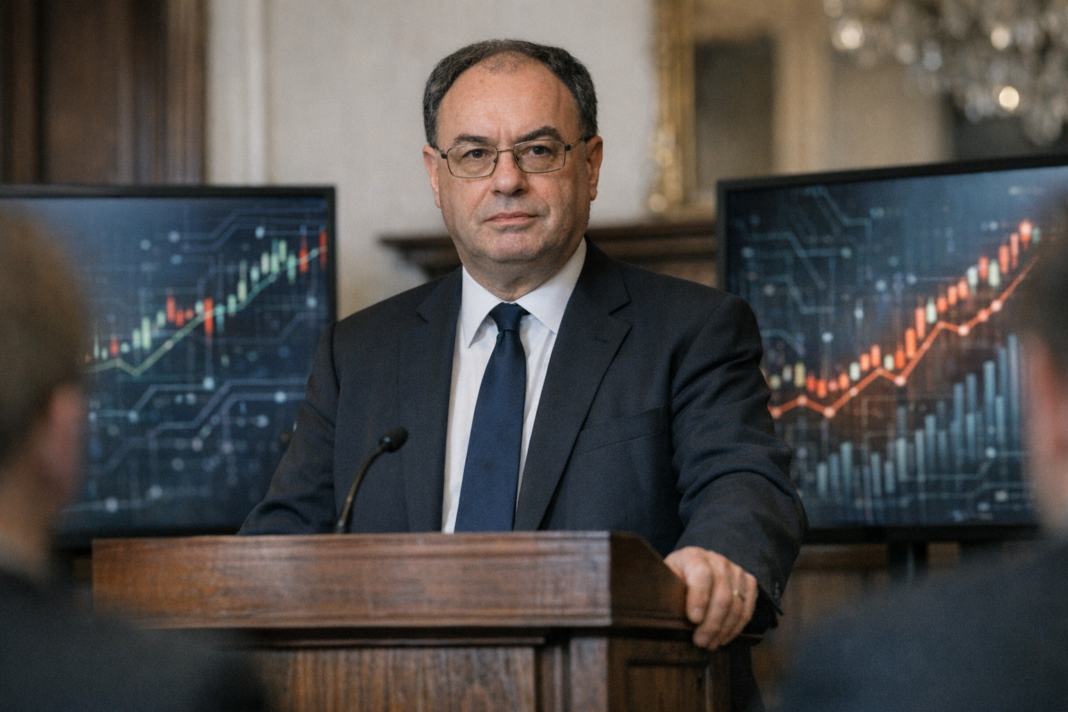

Bank chief warns the rapid redirection of capital into artificial technologies could destabilise markets, said Andrew Bailey, governor of the Bank of England. He signalled that the central bank is tracking the recent waves of cash being channelled into artificial intelligence-related assets and business models to assess potential risks to financial stability.
Investors’ strong interest in firms and funds tied to AI has lifted valuations and concentrated exposures in certain sectors. Such concentration, combined with leverage or sudden shifts in sentiment, can amplify price movements and produce sharper corrections than in more diversified markets. Market participants and supervisors are attentive to how these dynamics might interact with liquidity and risk-taking across asset classes.
The surge in capital targeting AI initiatives presents challenges for risk monitoring and stress testing. Rapid reallocations can change correlations between assets and shorten the time available for markets to absorb shocks. These developments complicate the task of assessing systemic vulnerabilities and the potential for spillovers between equity, credit and private funding channels.
While emphasising vigilance rather than immediate intervention, the governor stressed that ongoing observation of flows, valuations and market structure will inform the Bank’s view of systemic risks. For investors, the evolution underscores the importance of weighing valuation and liquidity considerations when allocating to fast-growing themes. For policymakers and regulators, the episode reinforces the need for close cross-market surveillance as technological change reshapes capital allocation patterns.






