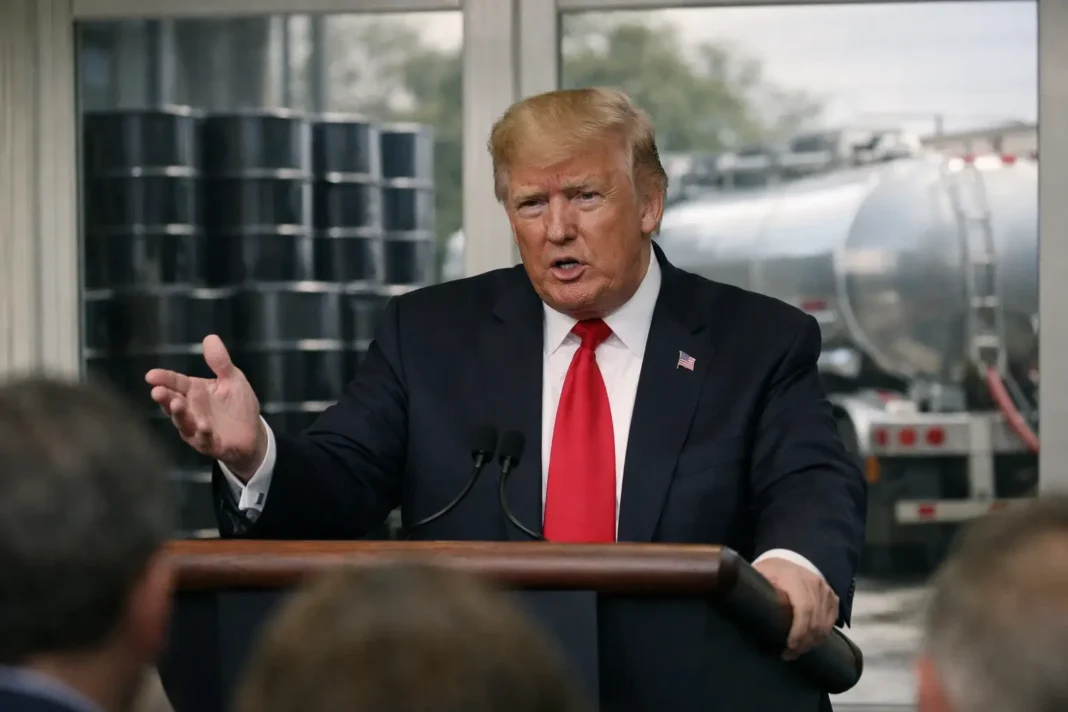

U.S. pressure mounts on Europe as Washington seeks relief for domestic fuel markets while Donald Trump has threatened a ban on diesel exports to help lower prices at home ahead of the November elections. The move has drawn attention to transatlantic fuel flows, emergency stockpiles and the political sensitivity of energy costs in the United States.
The debate centers on how to increase available diesel supplies without triggering broader market disruption. Diesel is a key fuel for freight, industry and some heating systems, and changes to trade rules or the release of reserves could shift regional supply balances. U.S. officials making representations to their European counterparts have framed the issue around ensuring adequate volumes for American consumers, while noting the potential international consequences of unilateral export controls.
European capitals and institutions face a complex choice: the release of strategic stocks or increased exports could provide short-term global volumes, but would also reduce emergency cushions for regional supply shocks. Energy traders and refiners are watching potential policy changes closely because an export ban from the United States would remove a source of product that has at times flowed to transatlantic markets. At the same time, European governments would need to weigh domestic energy security and regulatory obligations before reallocating stocks.
The situation highlights the intersection of domestic politics and international energy trade. With fuel prices politically sensitive in the run-up to an election, measures intended to relieve domestic consumers can create diplomatic tensions and market uncertainty abroad. Observers say the coming weeks will be pivotal as policymakers on both sides of the Atlantic assess inventories, cross-border trade commitments and the market effects of any export restrictions. Markets, transport operators and governments will be assessing how policy choices might affect supply chains and price dynamics in the near term.