
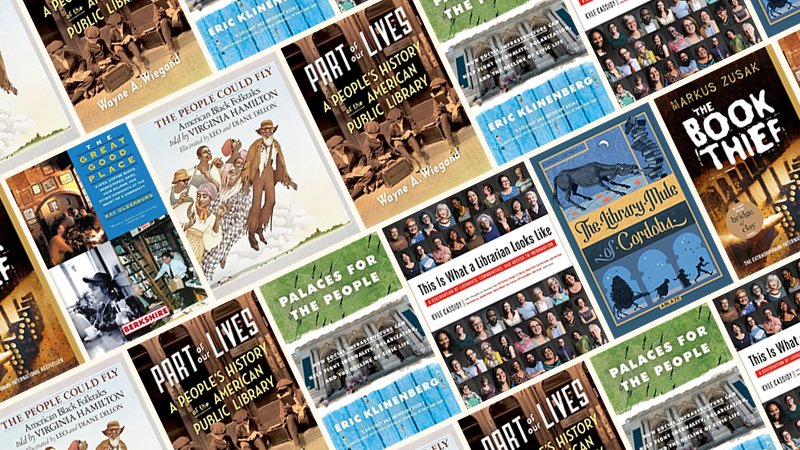

National Library Week is a moment to pause and reflect on what libraries truly are and what they make possible.
They are, of course, places of books. But they are also places of access, of memory, of connection, and of discovery. They bridge books, media, community, and culture. They are where people come to connect, to learn, to reflect, and to imagine something different for themselves, their communities, and their future.x
To understand libraries this way is to understand reading differently. Just like libraries, reading belongs to everyone, even if it doesn’t always look the same. It does not live in a single format. It lives in novels and nonfiction, in graphic storytelling, in music and lyrics, in the stories we inherit, the ones we retell, and the ones we create for ourselves.
That understanding shapes how I see my work and, in a small way, it’s reflected here in a list that is, for me, deeply personal. This list moves across formats and forms but holds a single idea: that libraries are spaces where knowledge, culture, and creativity are shared freely and without barrier.
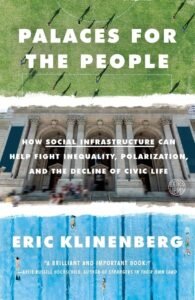 Eric Klinenberg, Palaces for the People
A defining argument for libraries as essential civic infrastructure. Klinenberg makes the case that social connection, not just physical buildings and services, is what holds communities together, and few institutions do that more consistently than libraries.
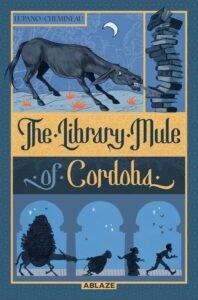 Wilfrid Lupano, The Library Mule of Cordoba
A librarian smuggling books out of a city on the brink of collapse. Set centuries ago, but unmistakably current. A story about preservation, risk, and the enduring fight to keep knowledge accessible.
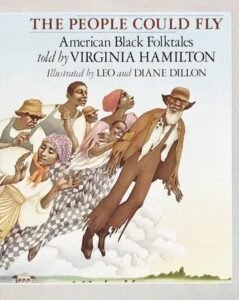 Virginia Hamilton, The People Could Fly
A collection of African American folktales rooted in oral tradition—stories carried across generations, shaped by memory, resistance, and imagination. Many of these stories emerged in a time when reading was prohibited, and storytelling became a way to preserve knowledge, identity, and hope. It’s a reminder that storytelling has always lived beyond the page, and that libraries help protect and pass those stories on.
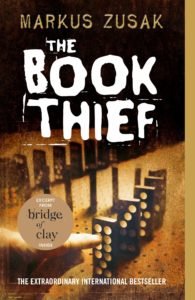 Markus Zusak, The Book Thief
A novel that understands the stakes of reading. Words here are dangerous, necessary, and sustaining all at once. It’s a reminder that access to stories is never neutral.
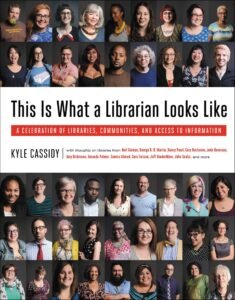 Kyle Cassidy, This is What a Librarian Looks Like
A deceptively simple book that pushes against a narrow image of the profession. It’s a reminder that libraries are shaped by the people who show up every day, and that representation matters, especially in spaces meant for everyone.
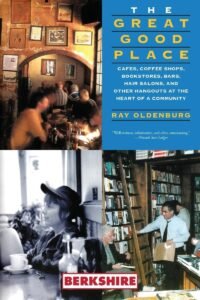 Ray Oldenburg, The Great Good Place
Oldenburg’s concept of the “third place” has been widely cited, but libraries are one of its clearest expressions. Open, informal, and essential places where people can simply be, without expectation.
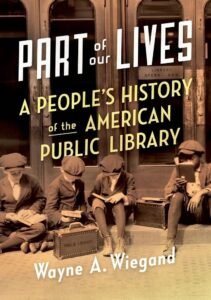 Wayne A. Wiegand, Part of Our Lives
A history of public libraries that shifts the focus from institutions to the people who use them. Wiegand centers everyday readers and how they moved through libraries, what they chose, and why it mattered. It’s a reminder that libraries are not defined solely by what they offer, but by how communities shape, use, and make meaning from them.
Library Pairing Bonus:
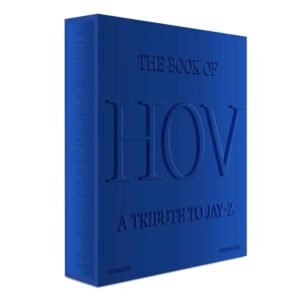 Jay-Z, 4:44 and The Book of HOV: A Tribute to Jay-Z
A moment when a public library became a living archive of culture, memory, and place. The Book of HOV preserves that experience in print, extending an exhibition that brought those elements together in a way that felt both immediate and lasting.
Paired with 4:44, the focus shifts to the evolution of storytelling. There’s a maturity and reflection here that shows how voice deepens over time. Together, they move across formats, reinforcing the idea that libraries hold not just books, but stories in all their forms.
Source:
lithub.com




