
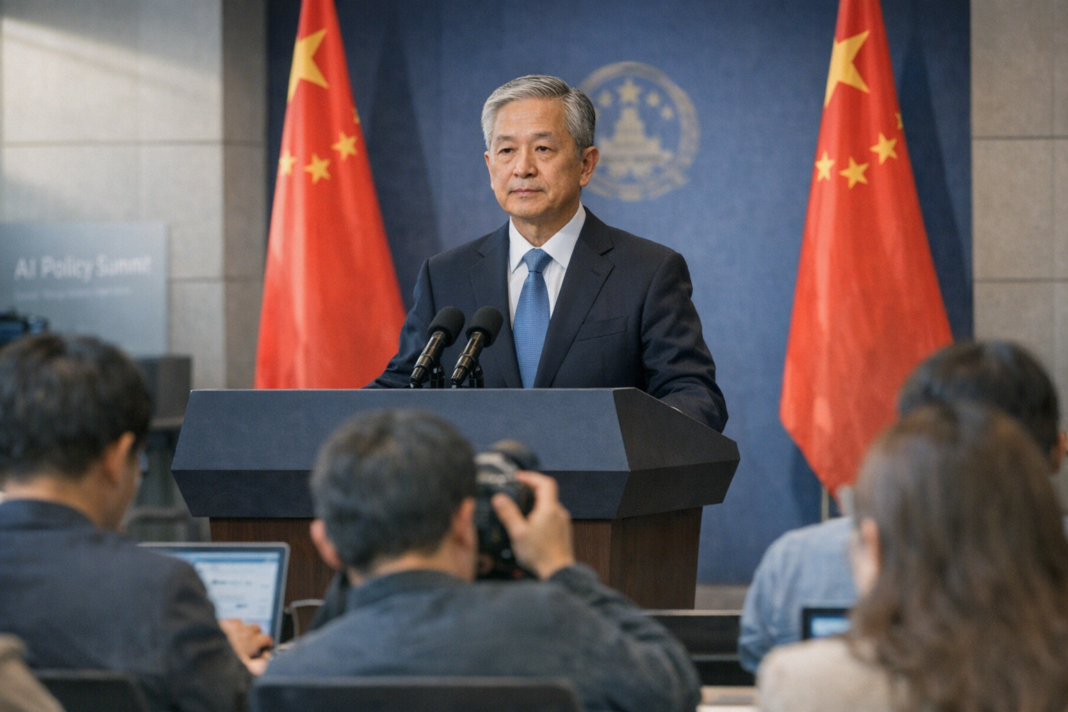

Beijing rejects claims that it is engaged in a “malicious competition” over AI, responding to recent proposals from the tech sector that urged a slowdown in development to avoid one country pulling ahead. The statements come in the wake of interventions by industry figures, notably the Anthropic CEO, who advocated for measures intended to reduce rapid deployment while addressing national-security concerns about unequal advantages.
Industry leaders and some policymakers have framed temporary restraints or coordination as a way to buy time for safety research and regulation. That debate has sharpened discussions about whether calls for restraint implicitly treat technological governance as a tool of geopolitical strategy, rather than as a shared safety imperative. Observers warn that when safety proposals are linked to competitive advantage, they risk inflaming mistrust between capitals and private actors.
China has publicly pushed back against characterisations that cast its ambitions as malicious, emphasising its own stated priorities for controlled and secure development. Officials and state-aligned commentators have argued that portraying safety-oriented pauses as moves to stymie a rival’s progress could politicise technical standards and international cooperation, complicating dialogue on common rules for emerging systems.
The exchange highlights growing friction at the intersection of technology, industry policy and geopolitics. If safety-minded recommendations are perceived as strategic manoeuvres, they may harden positions on export controls, research collaboration and regulatory alignment across jurisdictions. The controversy underscores the challenge for international forums seeking to balance innovation, public safety and equitable competition without turning technical governance into a proxy for broader strategic rivalry.





